02.11.2026
Blue & Yellow: The First Birds in the Pantanal Wetlands
Construction work on the Pantanal wetland continues to progress. With the opening of the Refugio, the first section of the future habitat for endangered South American bird and mammal species has already been put into operation. The first colorful residents have already moved in: hyacinth macaws and sun conures.
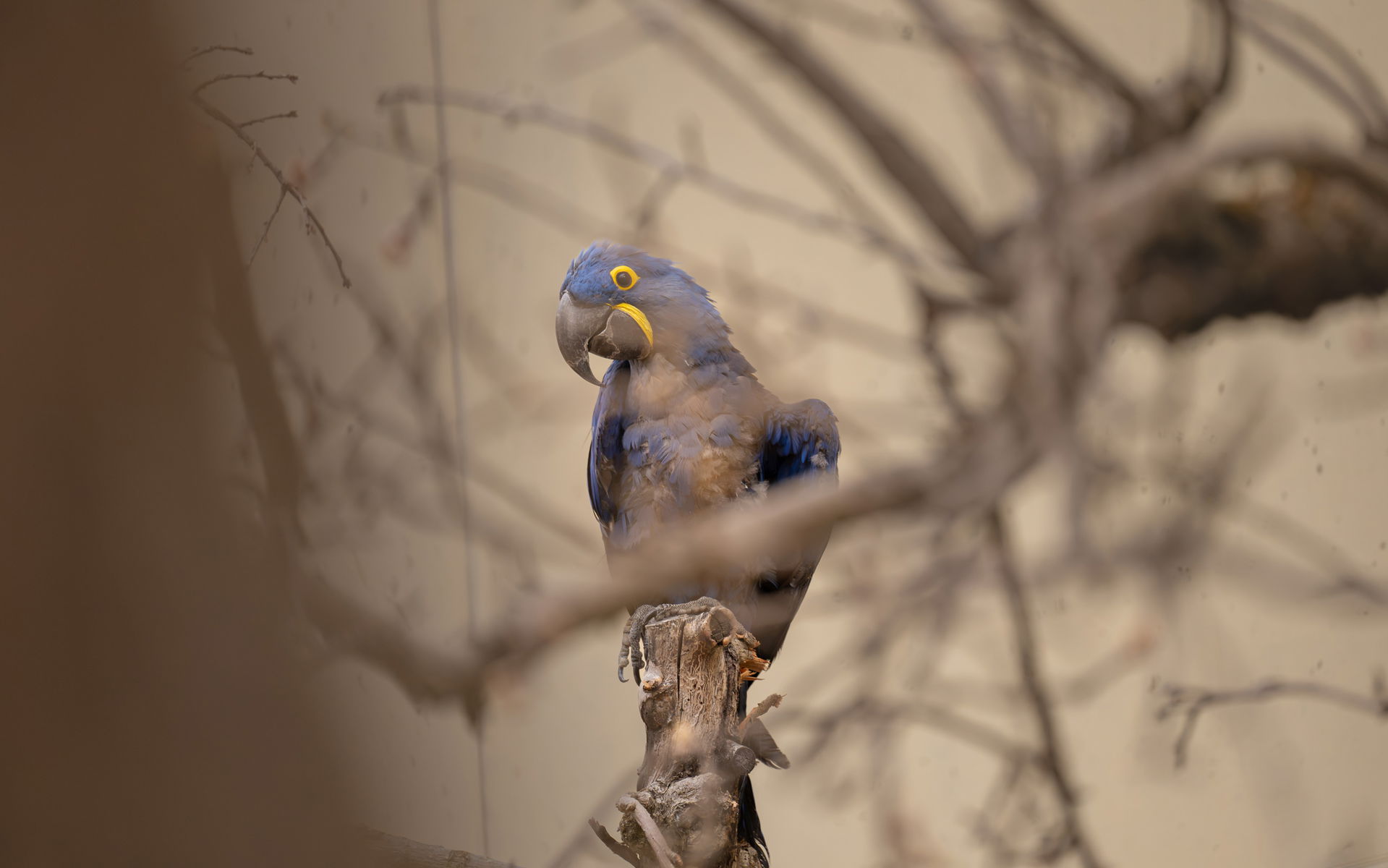
With their bright blue plumage and calls typical of parrots, hyacinth macaws (Anodorhynchus hyacinthinus) are impossible to miss or ignore. Together with the sun conures (Aratinga solstitialis), they are already bringing color and life to the completed indoor areas of the Pantanal Wetland known as Refugio. For now, this colorful activity remains hidden from the view of zoo guests, as construction continues in full swing all around.
Preparing for the Future Aviary
With the early opening of the Refugio, the animals can already begin to acclimate to their new environment. This will facilitate the opening of the large aviary once construction is complete, as newly arriving animals can learn from the behavior of those already settled in. The building features two separate areas for waterfowl and parrots. In the waterfowl area, water features and a special floor substrate allow the animals to engage in their natural behaviors, such as foraging for food. The parrot area includes a large, daylight-filled communal space for all parrot species, which will be visible through a glass pane after the opening. Otherwise, the refuge is not accessible to zoo visitors. In addition, various compartments are available, allowing the Refugio to house up to six different parrot species.
The Largest Parrots in the World
With a body length of up to one meter, hyacinth macaws are the largest parrots in the world. These majestic birds are threatened in their natural habitat in South America, which includes the Brazilian Pantanal. In the Pantanal, we have been committed for many years to protecting this valuable habitat. Nevertheless, measures are also needed outside the parrots’ natural habitat to conserve the species. To this end, Zurich Zoo successfully breeds hyacinth macaws at the Ornis Center for Species Conservation. Behind the scenes, we maintain one of the largest breeding groups of this parrot species and coordinate the European Endangered Species Program (EEP) from Zurich. The goal is the long-term maintenance of a stable reserve population. A total of 24 offspring from previous years have now moved from Ornis to the new Refugio.
Other feathered residents at the Refugio
It’s not just the hyacinth macaws that are threatened in their natural habitat. The bright yellow sun conures are also considered critically endangered due to habitat loss and illegal capture for the pet trade. In the wild, they usually live in small groups and form close social bonds with their partners. This is also evident in the newly arrived group of 24 captive-bred birds: the pairs often sit close together, preen each other’s feathers, and stay in constant contact through their characteristic calls.
Blue and yellow—the first feathered residents are already offering a glimpse of South America’s fascinating wildlife, which visitors will soon be able to experience in the Pantanal wetland habitat. The new habitat combines this natural experience with the protection of endangered species, research, and Zoo Zurich's commitment to hyacinth macaws in Brazil. At the same time, it fosters an understanding of the importance of intact ecosystems and raises awareness among zoo guests about the conservation of global biodiversity.
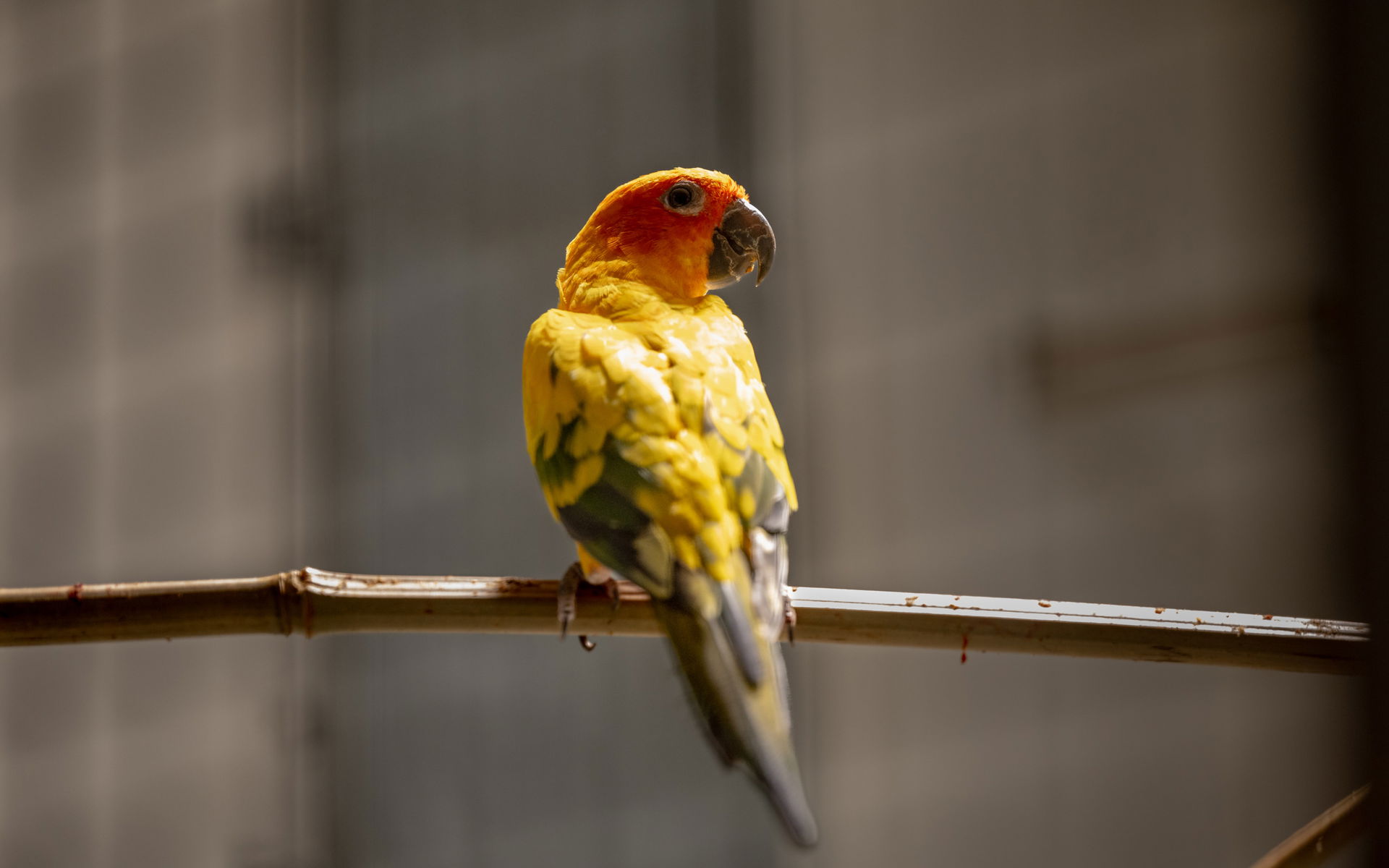
Photo: Zoo Zurich
The video footage is available for use in editorial coverage of Zoo Zurich, provided the source is credited.
The images are available for use in editorial coverage of Zoo Zurich, provided the source is credited.
Spokesperson for this topic

Dr. Severin Dressen
Director of Zoon Zurich
Media Contact

«Kurzfutter» for short news:
You can find even more exciting facts, stories, and events from Zoo Zurich on our WhatsApp channel Kurzfutter. There, we regularly share short stories and animal profiles, organized into different categories. The channel is purely for informational purposes. As a member of the media, you can read the content at your leisure and use it whenever it suits you.

- Education
- Research
- Species Conservation
 HabitatsWe protect nature – locally and globally