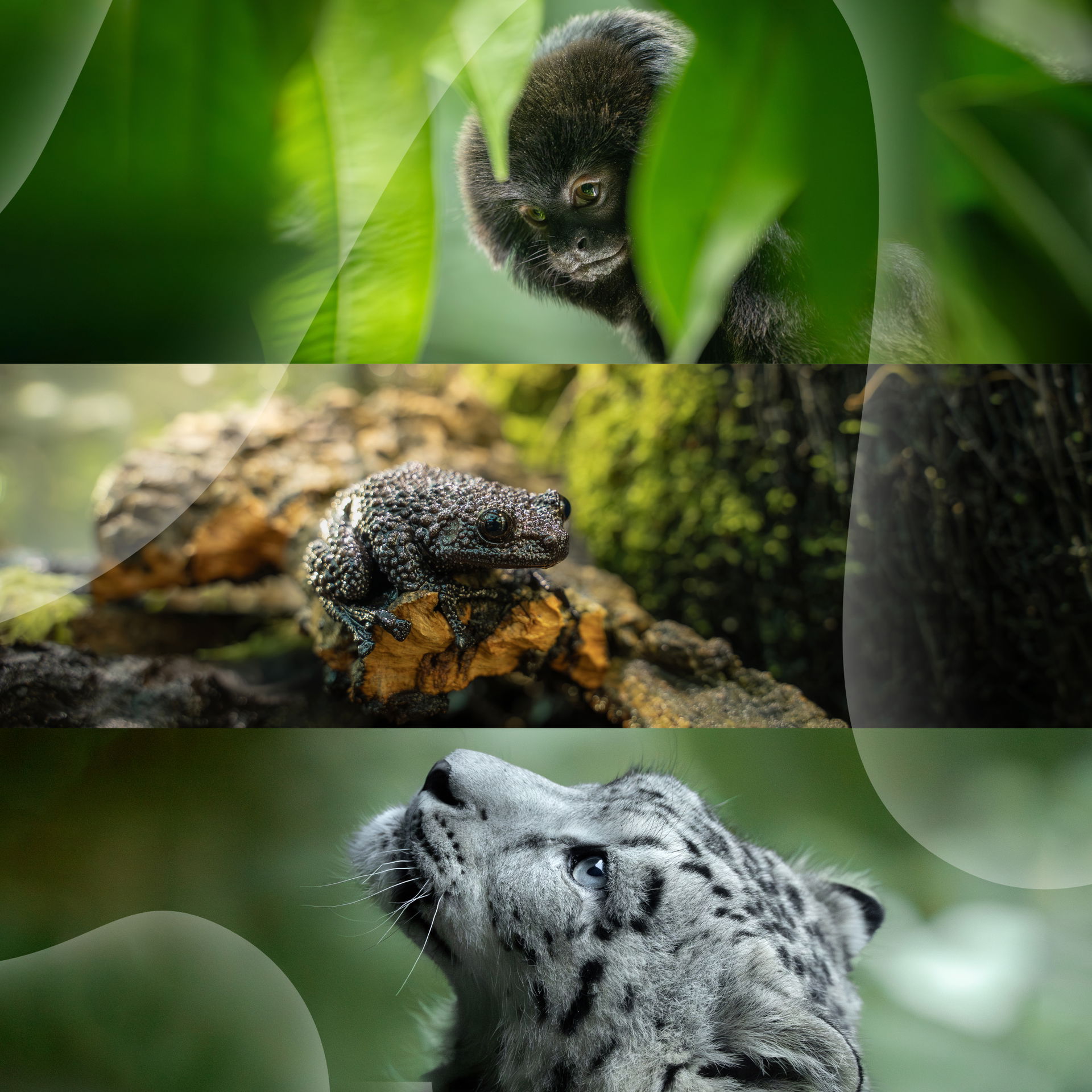
Bildcollage: Springtamarin, Ryabovs Flechtenfrosch und Schneeleopard. Alle aufgenommen im Zoo Zürich. Fotos: Zoo Zürich, Tim Benz.

19.10.2026 — Artenschutz

The World Takes Stock: What Is the State of Our Biodiversity?

These days, the “biodiversity hotspot” is in Armenia. The international community has gathered there for the 17th Conference of the Parties to the Convention on Biological Diversity (COP17). The conference takes place every two years and is the most important gathering dedicated to protecting our planet’s biological diversity. This year, for the first time, participants are taking stock: What progress has the world made since the adoption of the 2022 Global Nature Agreement?

In a nutshell:

  • From October 19–30, 2026, representatives from 196 countries will meet in Armenia for the 17th World Biodiversity Conference (COP17).

  • In the run-up to the conference, countries were required to submit reports on developments and measures to protect biodiversity in their respective countries.

  • For the first time, there will be a summary report (Global Review of Collective Progress) on the progress countries have made so far in protecting global biodiversity.

  • As a modern zoo committed to nature conservation and species protection on many levels every day, the Zurich Zoo is following COP17 with interest.

Things are getting down to business in Yerevan, Armenia. Instead of agreeing on new conservation commitments, the conference is focusing for the first time on a reality check. What measures have individual countries already implemented to protect biodiversity? How much land have they set aside for conservation? Have species and habitats recovered?

The goal is 30 percent

Four years ago, at COP15 in Montreal, Canada, the international community adopted the so-called Kunming-Montreal Agreement — a global framework agreement aimed at halting the worldwide loss of biodiversity.

At the time, the Global Nature Agreement was considered a major breakthrough because it commits the signatory countries to take action and, for the first time, establishes a politically binding roadmap for the protection of global biodiversity through 2050. The treaty is just as significant for the protection of biodiversity as the Paris Climate Agreement is for global climate protection.

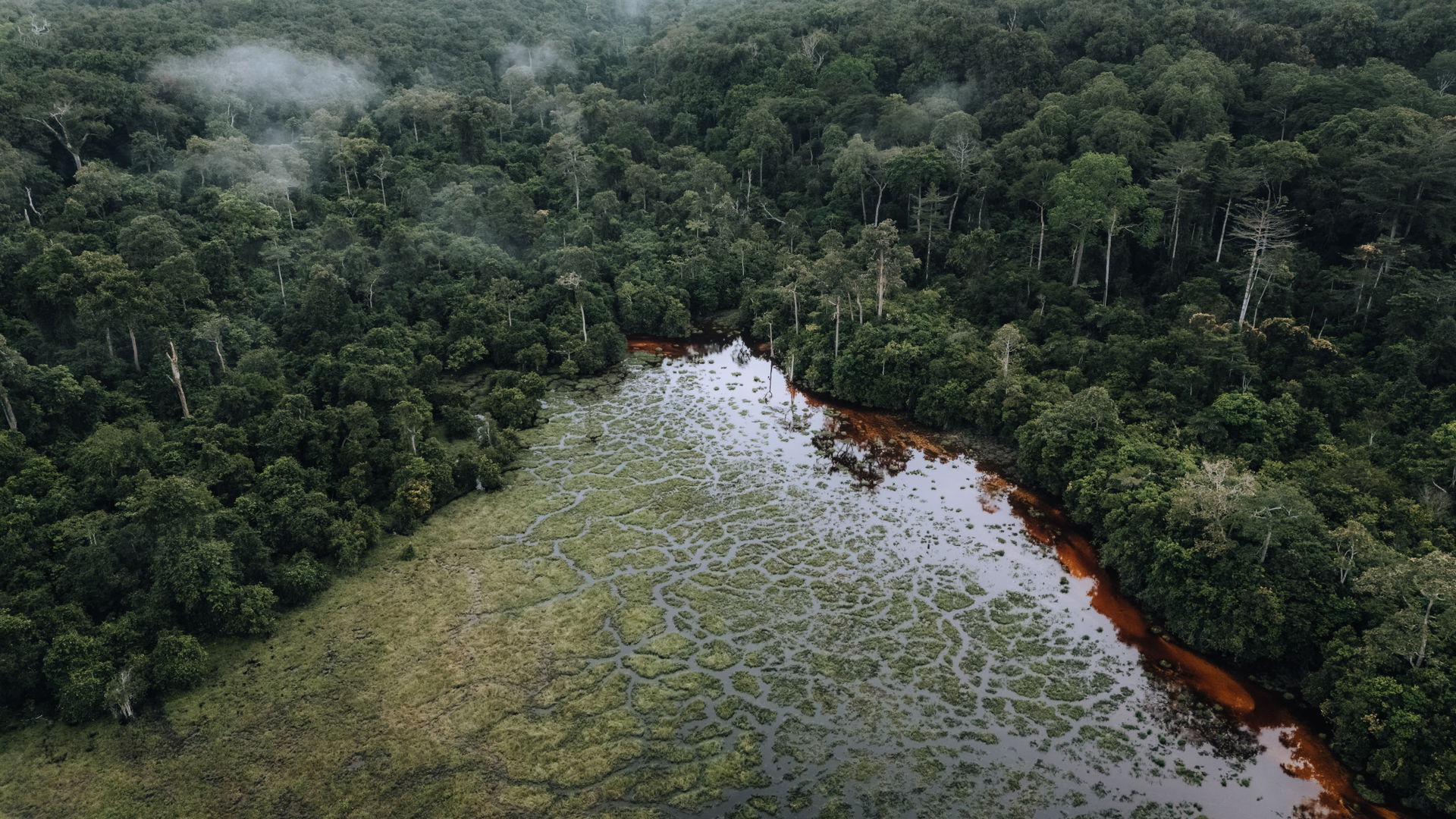
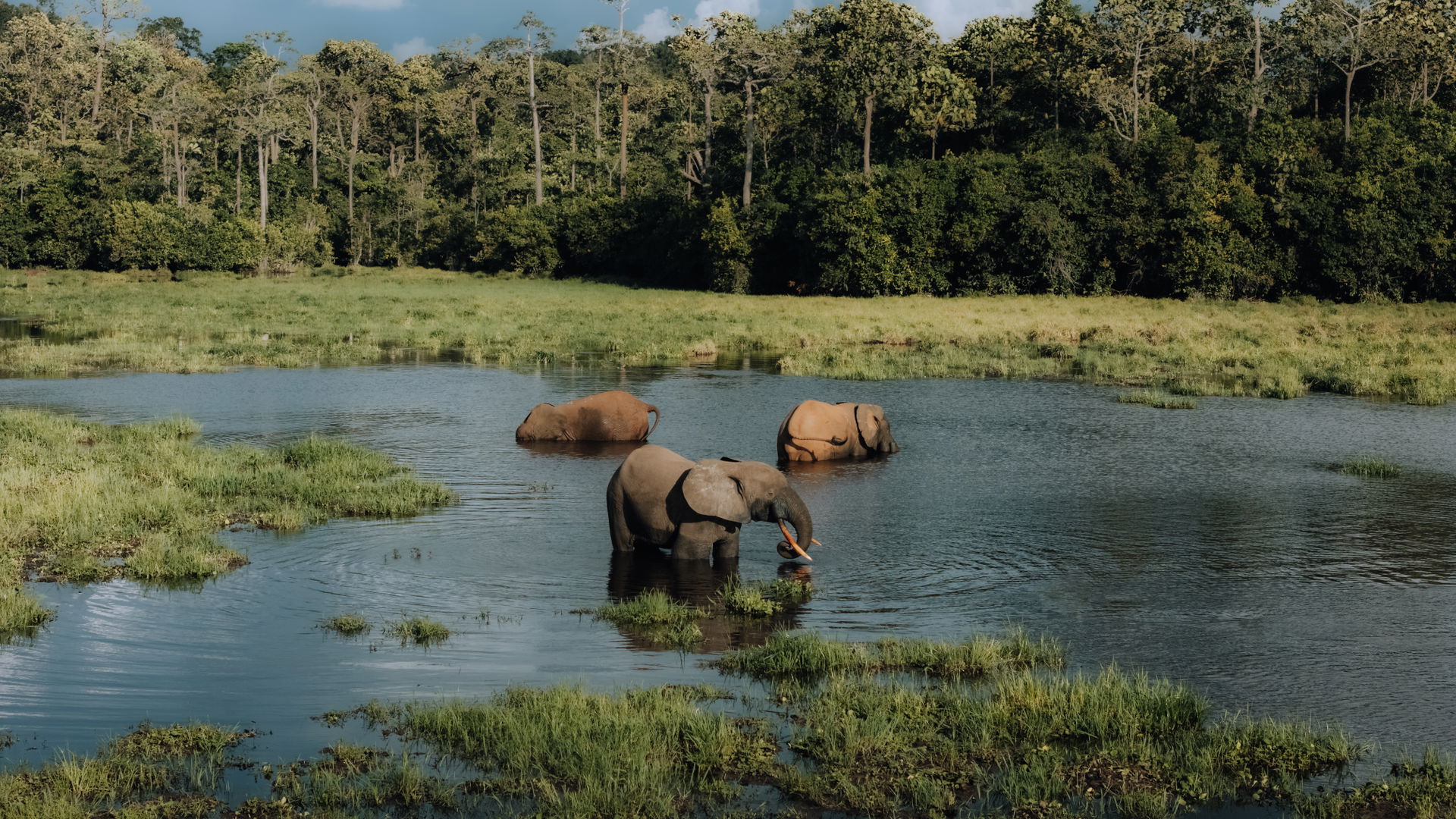
Waldelefanten in der Republik Kongo. Foto: Zoo Zürich, Tim Benz.

A view of the Nouabalé-Ndoki Nature Reserve in the Republic of the Congo, which Zoo Zurich supports as part of its global conservation efforts. Photo: Zurich Zoo, Tim Benz.
Specifically, the global agreement aims to halt and reverse biodiversity loss by 2030. The so-called “30x30 target” is the best-known element of the agreement: According to this target, at least 30 percent of land and marine areas are to be placed under protection by 2030. Thirty percent of degraded ecosystems — such as forests, coral reefs, rivers, and wetlands — are to be restored by 2030.

On the right track

Currently, about 20 percent of land areas and inland waters are designated as protected areas, according to a recent study released ahead of the conference. Progress on ocean conservation has been less impressive: Only about 10 percent of the oceans are currently protected.

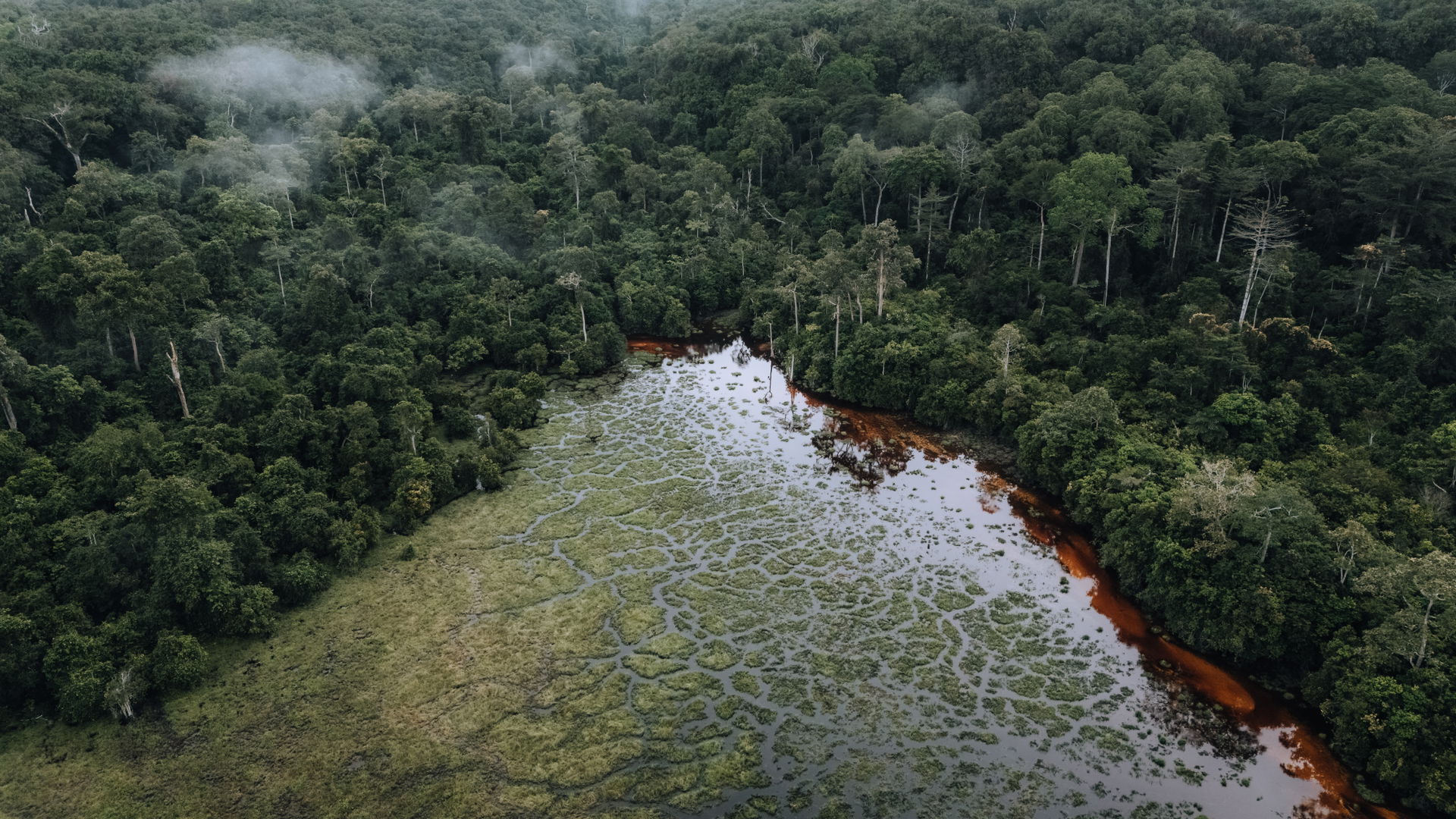
Blick auf eine Bai im Nouabalé-Ndoki-Nationalpark in der Republik Kongo. Foto: Zoo Zürich, Tim Benz.

With the commitments already made by various countries—which have not yet been implemented—the proportion of protected land could rise to 27 percent by 2030. Photo: Zurich Zoo, Tim Benz.
The Important Work of Modern Zoos

Another goal of the agreement is to halt the global and ongoing loss of biodiversity. To this end, populations of threatened species are to be conserved and stabilized. Modern zoos play a significant role in this effort. The Convention on Biological Diversity (CBD) of 1992 — the first-ever international treaty on the conservation of biological diversity and the legal basis for the Kunming-Montreal Agreement — emphasizes in Article 9 that, in addition to in-situ conservation measures (in situ), there is also a need for conservation breeding programs and reserve populations of threatened species outside their natural habitats (ex situ).

This is a significant part of the work carried out by modern zoos, which are united under the umbrella of the EAZA (European Association of Zoos and Aquaria) and continue to pioneer the conservation of reserve populations of endangered species.

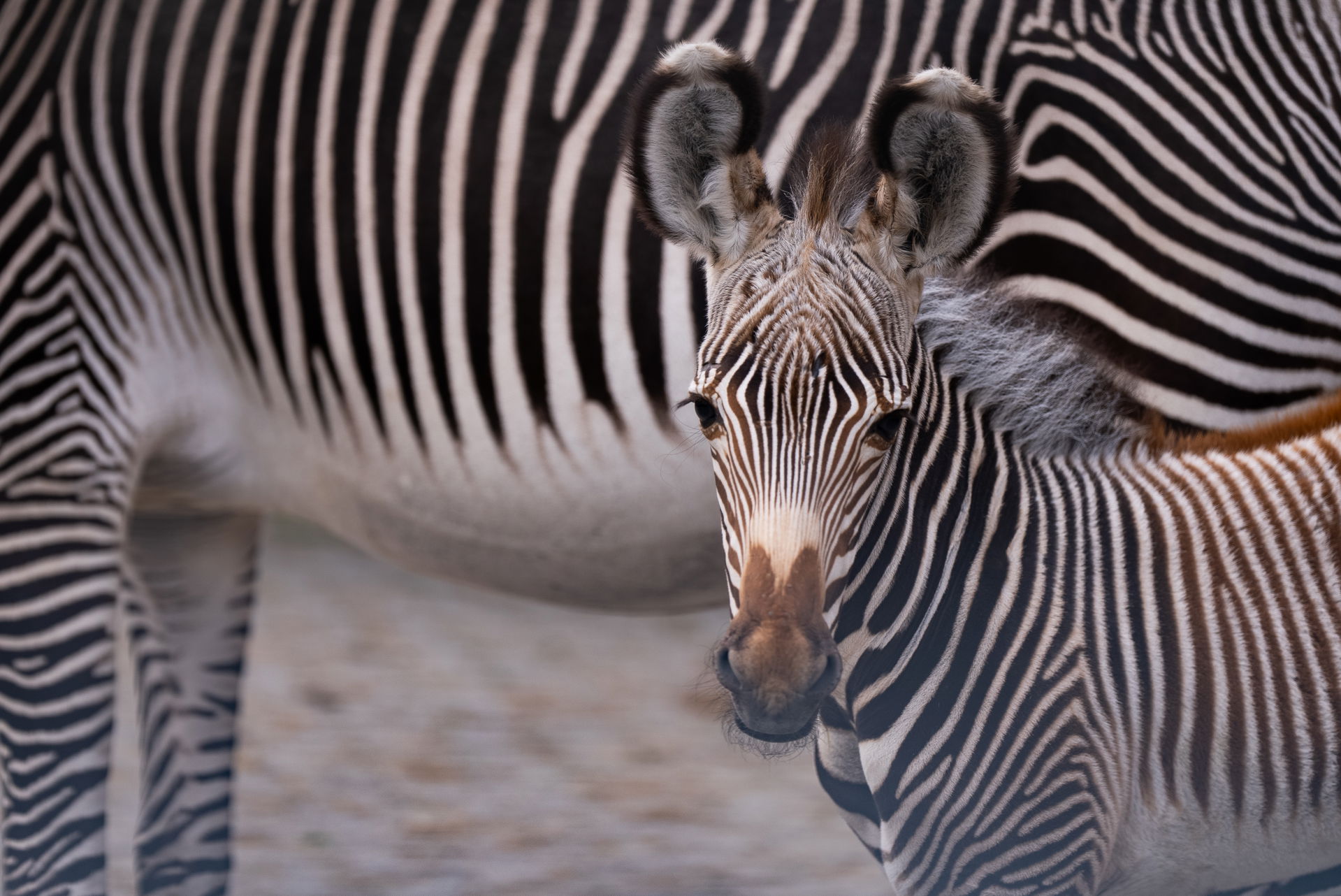
Grevy-Zebra im Zoo Zürich. Foto: Zoo Zürich, Tim Benz.

Grevy's zebras (Equus grevy) are considered critically endangered. Zoo Zurich protects these animals through its Lewa conservation project in Kenya and by maintaining a reserve population as part of a European Endangered Species Program (EEP) coordinated internationally. It brings together what belongs together. Photo: Zurich Zoo, Tim Benz.
Protecting biodiversity is only possible if we work together

Preserving biodiversity is a global challenge that requires local action. Conservation organizations, modern zoos, research institutions, government agencies, governments, and dedicated individuals around the world are making important contributions to protecting habitats, conserving threatened species, and spreading knowledge about biodiversity conservation.

As an accredited EAZA zoo, Zoo Zurich is also involved in various conservation projects both in Switzerland and abroad. Our goal is to make a measurable contribution to the conservation of species and habitats and to raise public awareness of the importance of biodiversity.

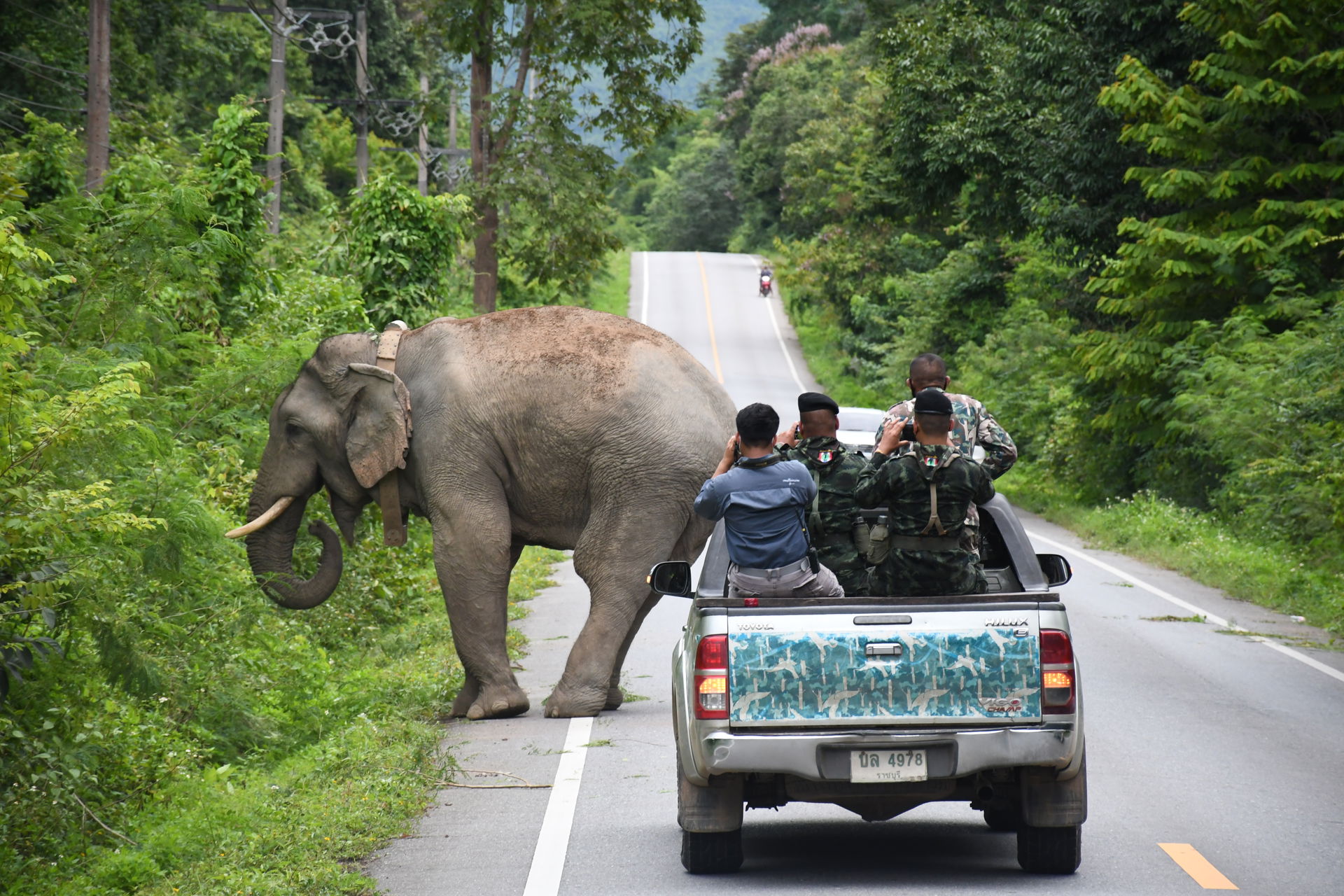
Einsatz des Elephant-Conflict-Teams am Rand des Kaeng Krachan Nationalparks in Thailand. Foto: WCS Thailand.

Zoo Zurich protects Asian elephants by, among other things, funding the Elephant-Human Conflict Team (EHC) in Thailand. Thanks to the team’s timely intervention, 99 percent of attempts by elephants to feed on agricultural crops are thwarted. Photo: WCS Thailand.

From Vision to Impact

COP17 will show whether the international community is on track to achieve the biodiversity goals it has set for itself by 2030. Regardless of the outcome, one thing is certain: protecting biodiversity is one of — if not the — most critical challenges of our time. While efforts to protect the climate determine how we survive, the protection of biodiversity determines whether we survive. Every restored area, every protected species, and every successful conservation project helps secure the natural foundations of life for future generations.

The Zurich Zoo is following the developments at COP17 with interest and will continue to advocate for effective nature and species conservation — through its work at the zoo as well as around the world. We bring together what belongs together.

Take Action Yourself

Would you like to help protect our natural environment and its unique biodiversity? If so, we would appreciate your donation!

  • Education
  • Research
  • Species Conservation
  • Blick aus der Luft auf einen Teil des Nouabalé-Ndoki-Nationalparks (NNNP) im Kongo.HabitatsWe protect nature – locally and globally
Back to overview