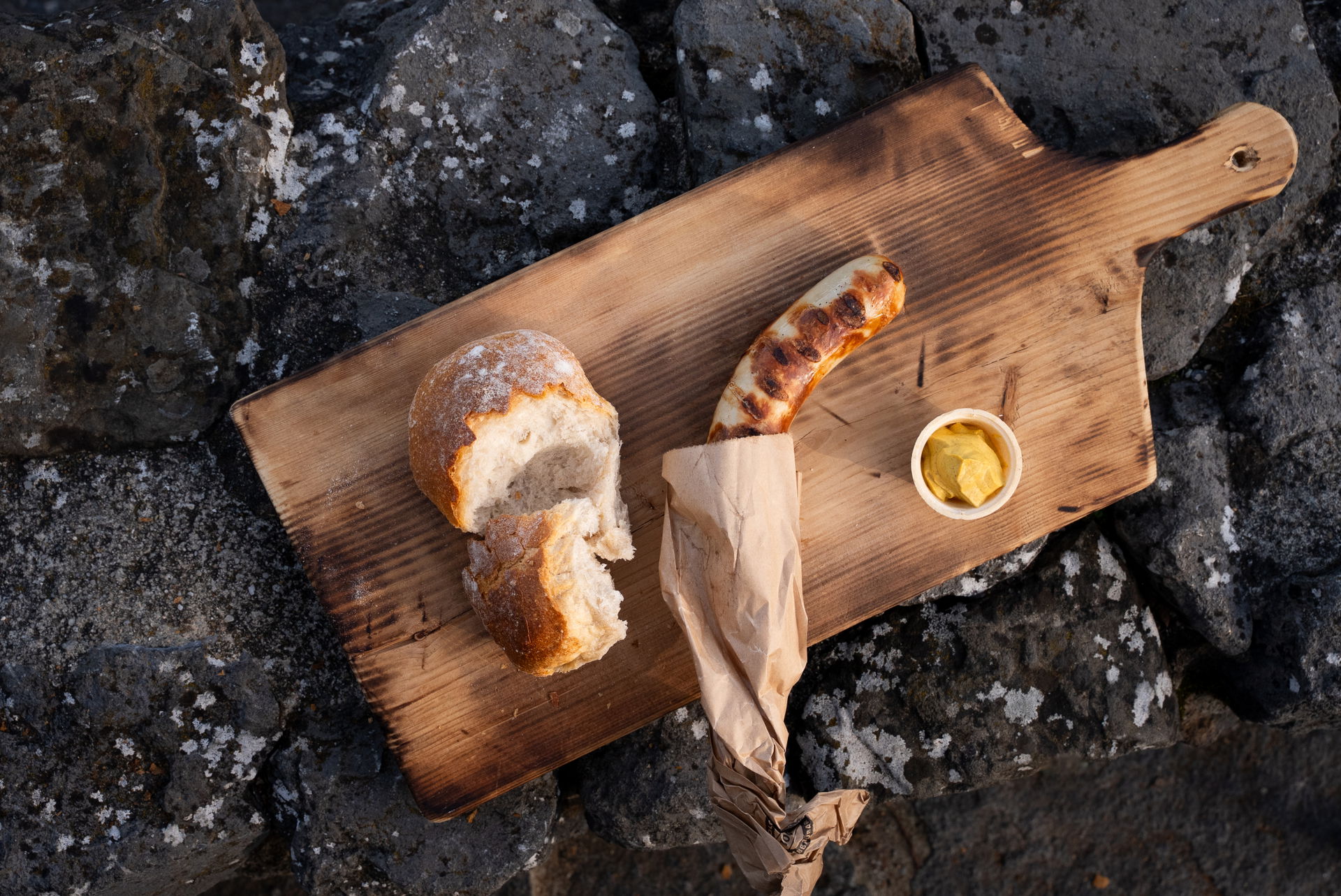
Moodbild einer fleischreduzierten Wurst mit Bürli und Senf, aufgenommen im Zoo Zürich.

20.09.2026 — Lebensraumschutz

Why our meat contains peas

Eating less meat helps the environment. That’s why various meat products at the zoo contain pea protein. This reduces meat consumption without requiring meat lovers to give it up.

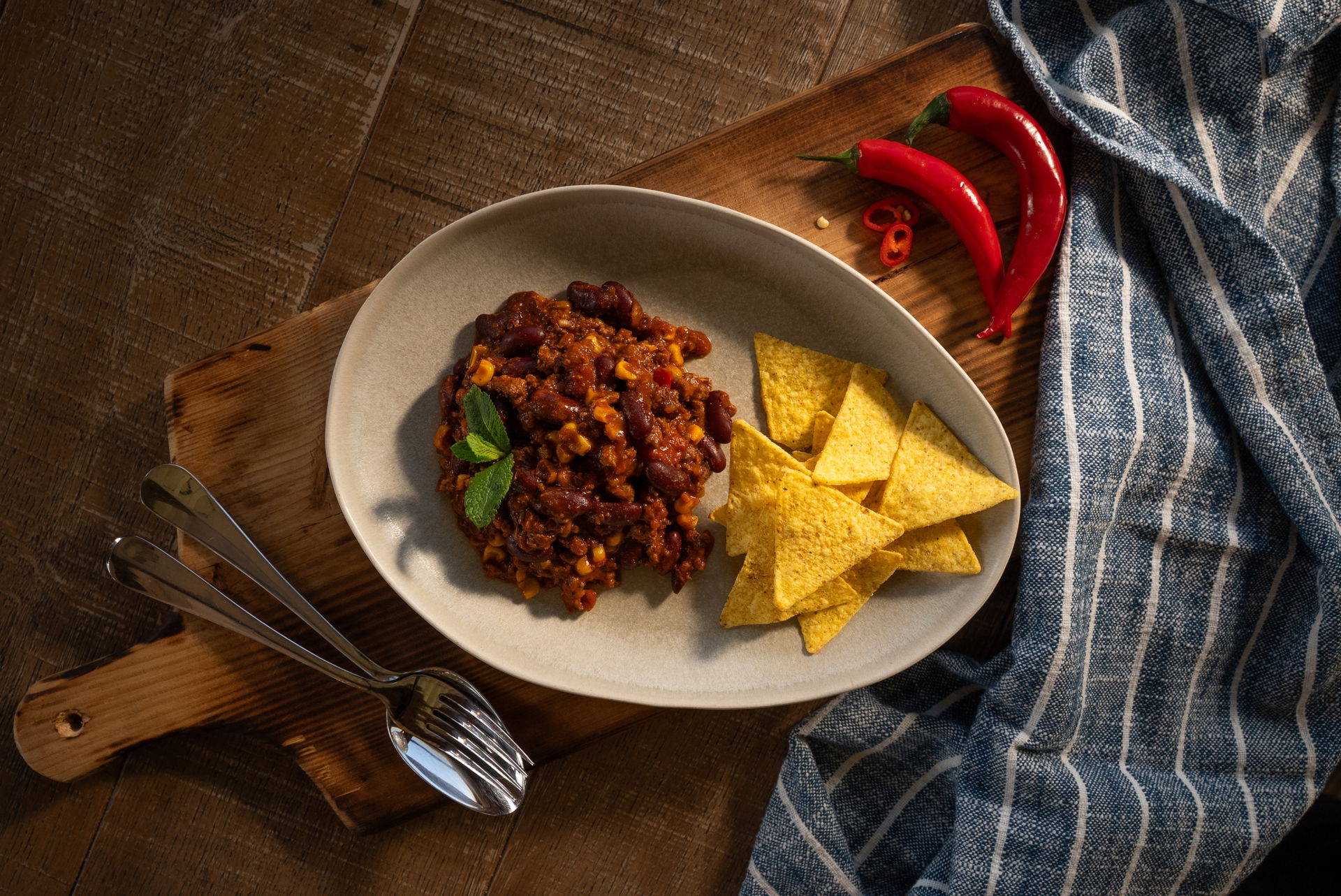
Meat, but more sustainable: In our restaurants and at our food stands, we sell meat products that consist of up to a quarter organic pea protein. This has no effect on the taste of the veal sausages, cervelats, wieners, or the ground meat in the chili con carne—but it does have an impact on greenhouse gas emissions: they are reduced by about 20 percent for these products.

Video: Zoo Zurich, Tim Benz

Nature conservation starts on your plate

Eating less meat is a key strategy in the effort to promote sustainability and protect biodiversity—nature conservation starts on your plate. However, vegetarian alternatives rarely win over meat-eaters.

This is where meat products made with pea protein come in: Because they taste like conventional meat, they have the potential to appeal to as many people as possible—and even win over die-hard meat lovers.

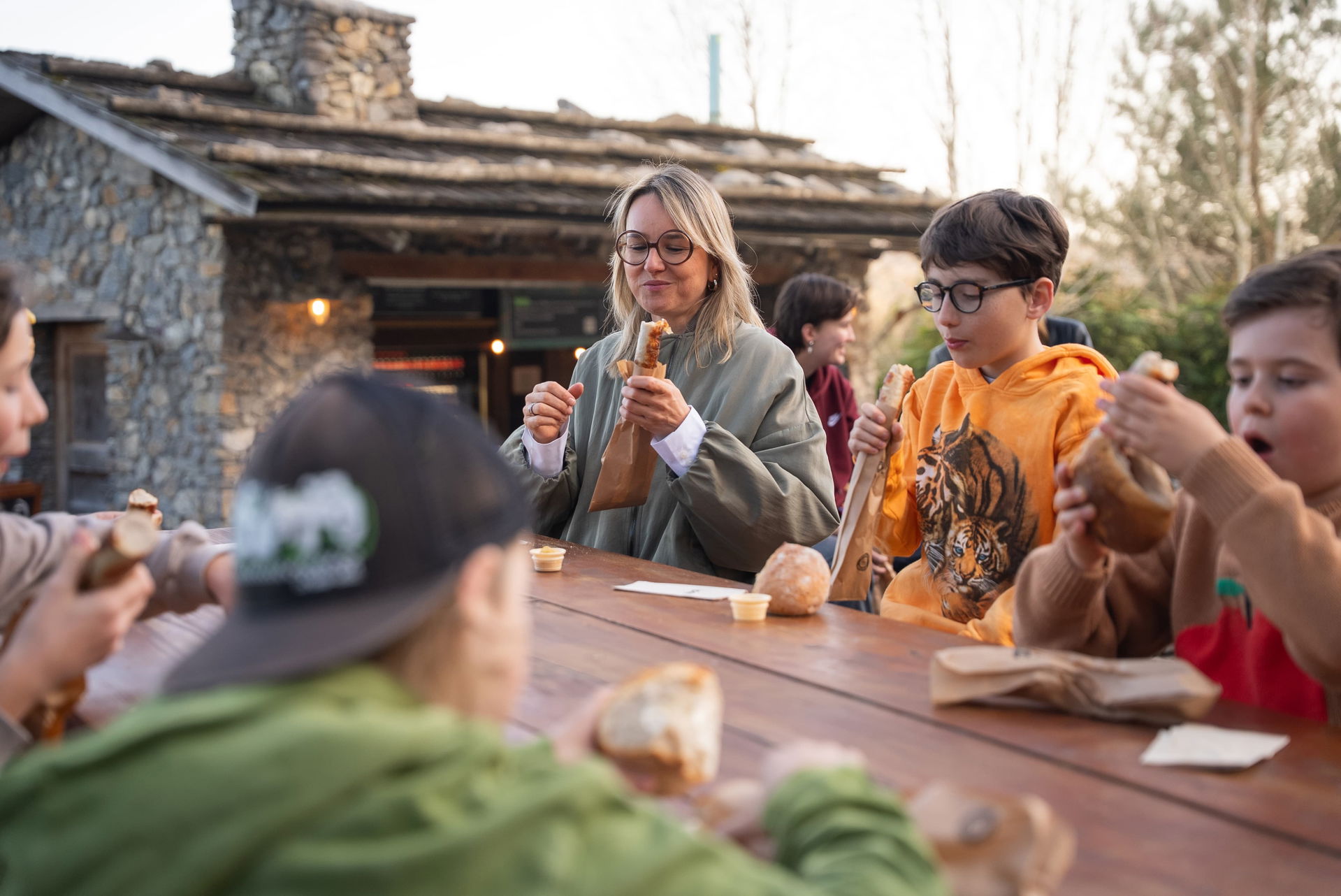
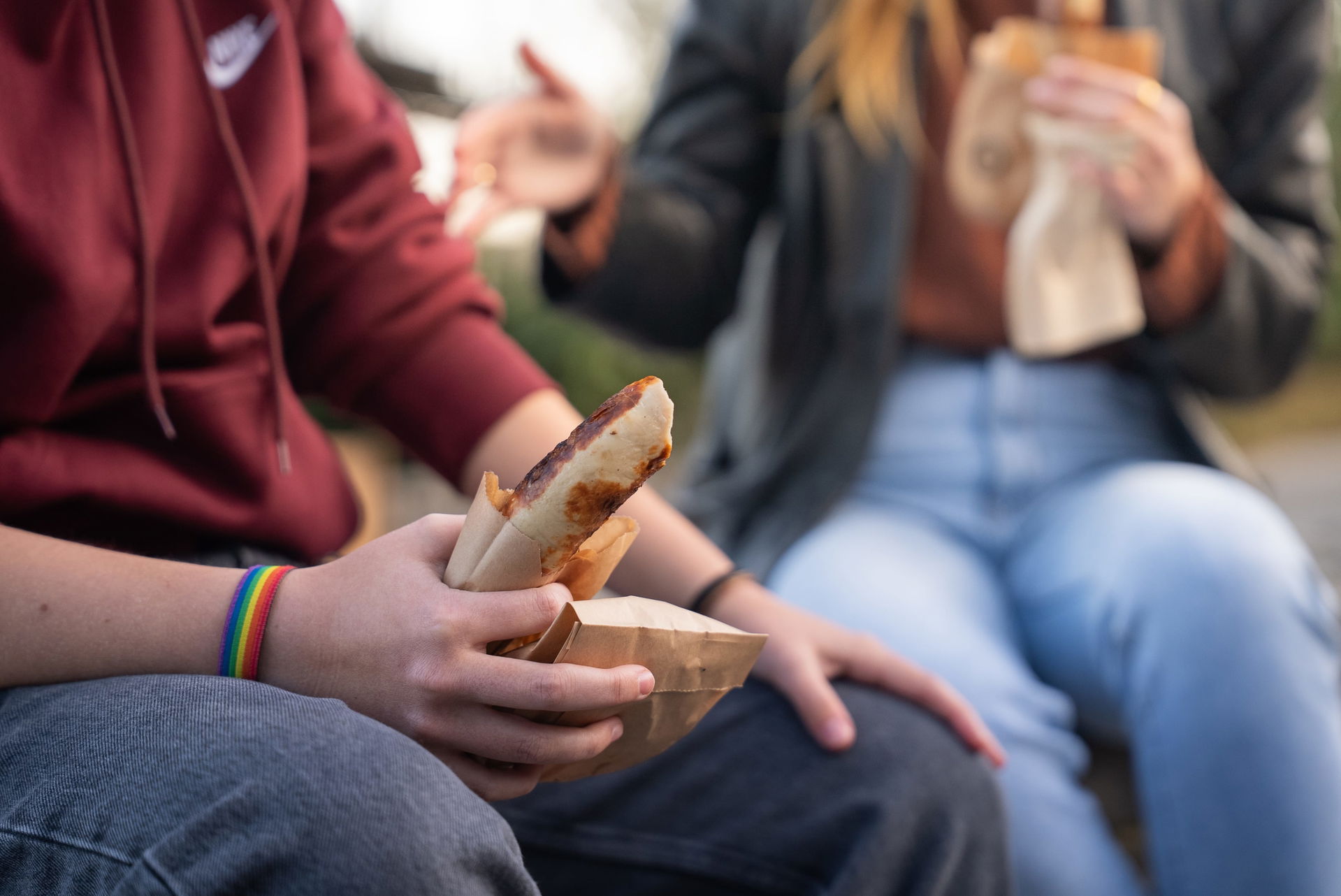
Stimmungsbild essender Personen beim Panthera-Grill im Zoo Zürich.

Taste is what matters: the products containing pea protein taste just as good as conventional meat. Image: Zoo Zurich, Tim Benz

Two years of development

Zoo Zurich developed the meat products containing pea protein in collaboration with Mérat AG. “We wanted to create meat products that are more climate-friendly than the originals while appealing to as many people as possible,” explains Marcel Ritter, Head of Zoo Restaurants GmbH.

«Because the taste remains unchanged, these products will appeal to meat lovers too—sausage remains sausage!»
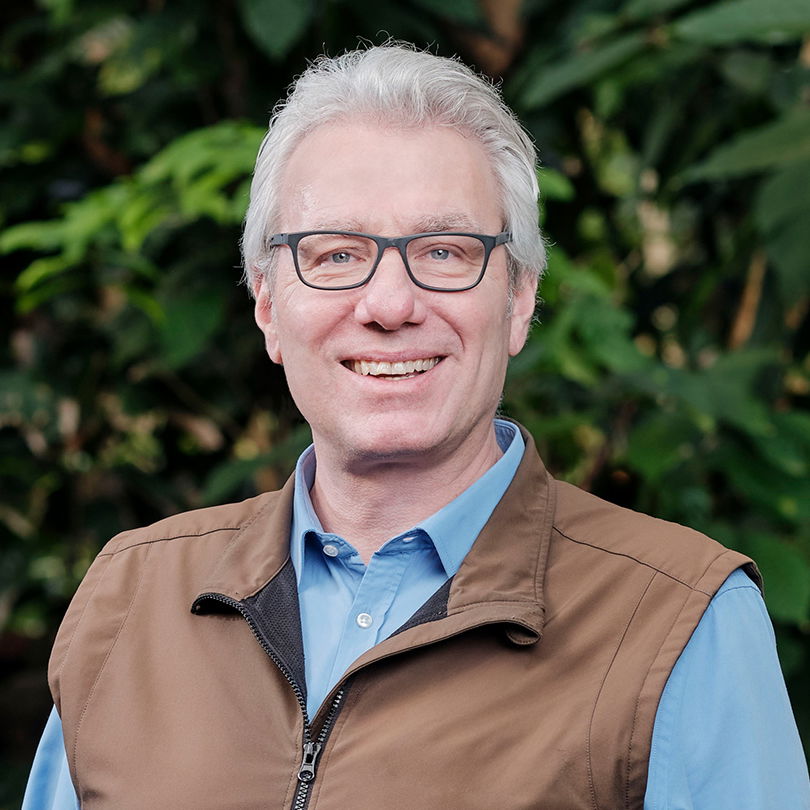
Marcel Ritter, Head of Zoo Restaurants GmbH

Mérat CEO Reto Maurer explains using the veal bratwurst as an example: “In the new sausage, 22 percent of the meat has been replaced with protein from organically grown peas. The meat meets IP-Suisse standards. We spent two years experimenting extensively and testing various versions until the taste, quality, animal welfare, and sustainability all aligned. The result is now a success across the board.”

Moodbild eines fleischreduzierten Chili con Carne im Zoo Zürich.

The chilli con carne at Zoo Zurich is prepared using minced meat containing pea protein. Image: Zoo Zurich, Tim Benz
233 journeys from Zurich to Rome

The veal sausage containing pea protein replaces the conventional veal sausage previously sold in Zoo Zurich’s restaurants and food outlets. Compared with the conventional sausage, it saves around 590 grams of CO₂ per sausage. With an average of 100,000 veal sausages sold each year, this amounts to a total saving of approximately 60 tonnes of CO₂—roughly equivalent to 233 car journeys from Zurich to Rome.

The new sausage also makes significant progress in terms of its environmental footprint: when land and water use are included, it achieves a 45 per cent reduction compared with the conventional version. All calculations were carried out by Green Guides.

Aufnahme einer Bratwurst.

Compared with a conventional sausage, the sausage containing pea protein saves around 590 grams of CO₂ per sausage. Photo: Zoo Zurich, Tim Benz

Effect Due to Mass

Mérat’s bratwursts, cervelats, wieners, and ground meat will also be available to other food service establishments in the future. After all, the more conventional meat products are replaced by this new option, the greater the impact will be. “In the long run, the potential is enormous,” Marcel Ritter is convinced.

«With the new meat products, we are providing an easy and tangible way for people to take action for species conservation.»
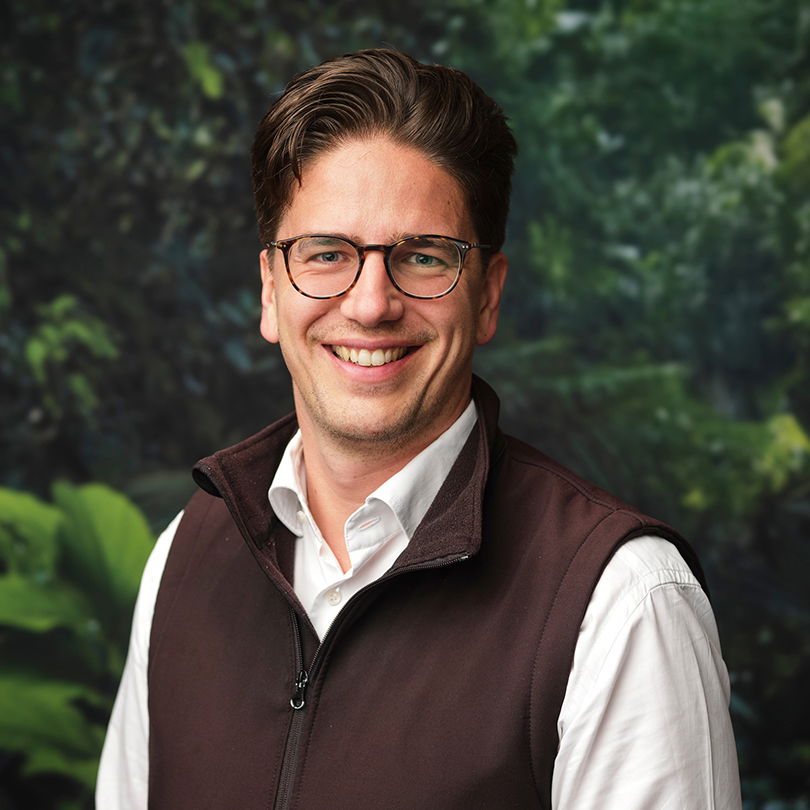
Severin Dressen, Director of Zoo Zurich

This is because one of the biggest problems facing wild animal species is the loss of their habitat, which results from land being used for feed production or livestock farming. Eating less meat, therefore, has a direct and immediate impact.

  • Education
  • Research
  • Species Conservation
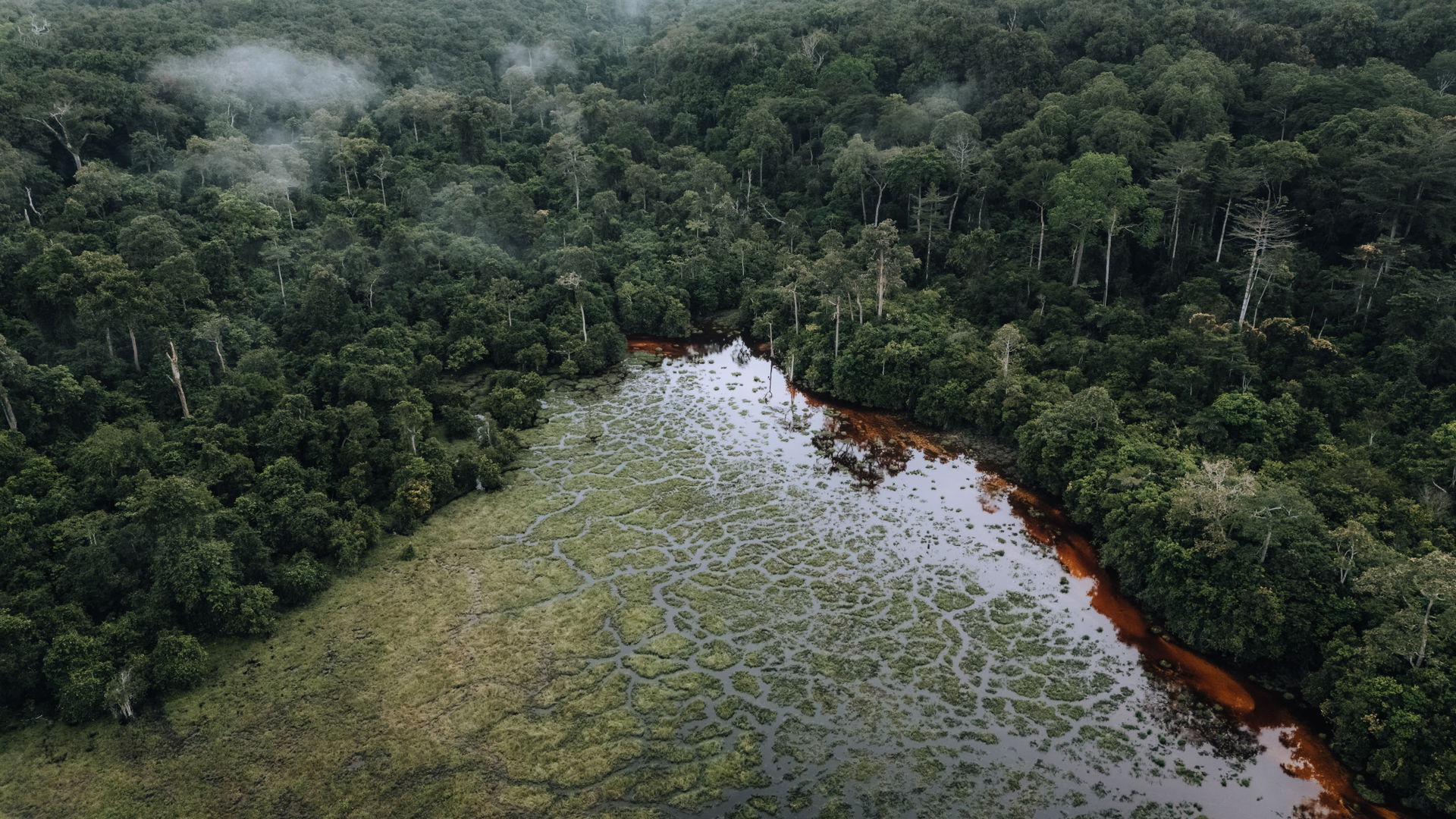
  • Blick aus der Luft auf einen Teil des Nouabalé-Ndoki-Nationalparks (NNNP) im Kongo.HabitatsWe protect nature – locally and globally
Back to overview