23.11.2026 — medienmitteilung
Another New Addition to the Gorilla Family
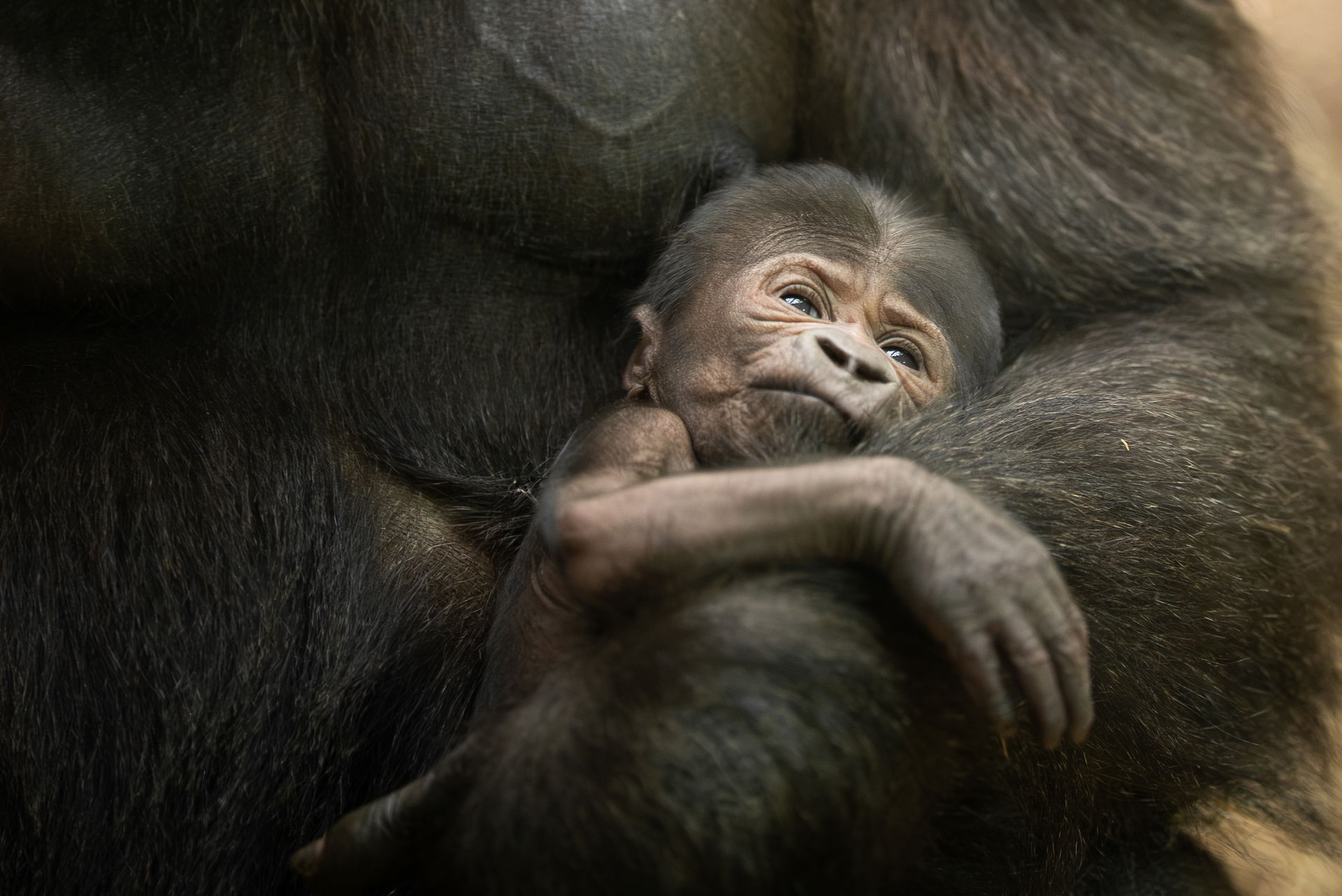
Following a first birth in late July, the gorillas have welcomed their second new arrival. On Sunday afternoon, the female gorilla Haiba gave birth to her first infant. The birth went smoothly and took place in the presence of the entire gorilla group. All the gorillas are behaving in a manner typical of their species and showing interest. The arrival of two new gorilla infants is cause for celebration: it reinforces the group’s positive development and contributes to the stability of the reserve population of the critically endangered Western Lowland gorillas, which we also protect and conserve through our conservation project in the Republic of the Congo.
Just as with the female gorilla Mayumi, this is Haiba’s first offspring. And Haiba, too, is proving to be an exemplary mother. She always keeps her male baby close to her and protects him from the excessive curiosity of the other gorillas. Looking is allowed, but touching is off-limits. This goes for father Bwana as well.
«We are very excited about the second birth among our gorillas. It's wonderful to see how the gorilla group, which has been living together for a year, is growing and developing.»

Ideal Development
“With a thriving group and a successful breeding program, we can make the most relevant and comprehensive contribution possible to the conservation of western lowland gorillas in line with the One Plan Approach,” explains Zoo Director Severin Dressen. He adds that, despite the current joy, it’s important to remain realistic. The first few weeks are always a delicate time for all living creatures. It will be some time before the young gorillas become playmates and begin making their first independent forays within the group. A close mother-child bond is crucial for gorillas over many years.
The births are also encouraging from an animal welfare perspective. Gorillas are highly social animals that care for their young intensively and for a long time. The presence of young gorillas is a defining factor in the daily life of a gorilla group, which has a positive effect on the well-being of the mother, the other gorillas, and the group’s dynamics.
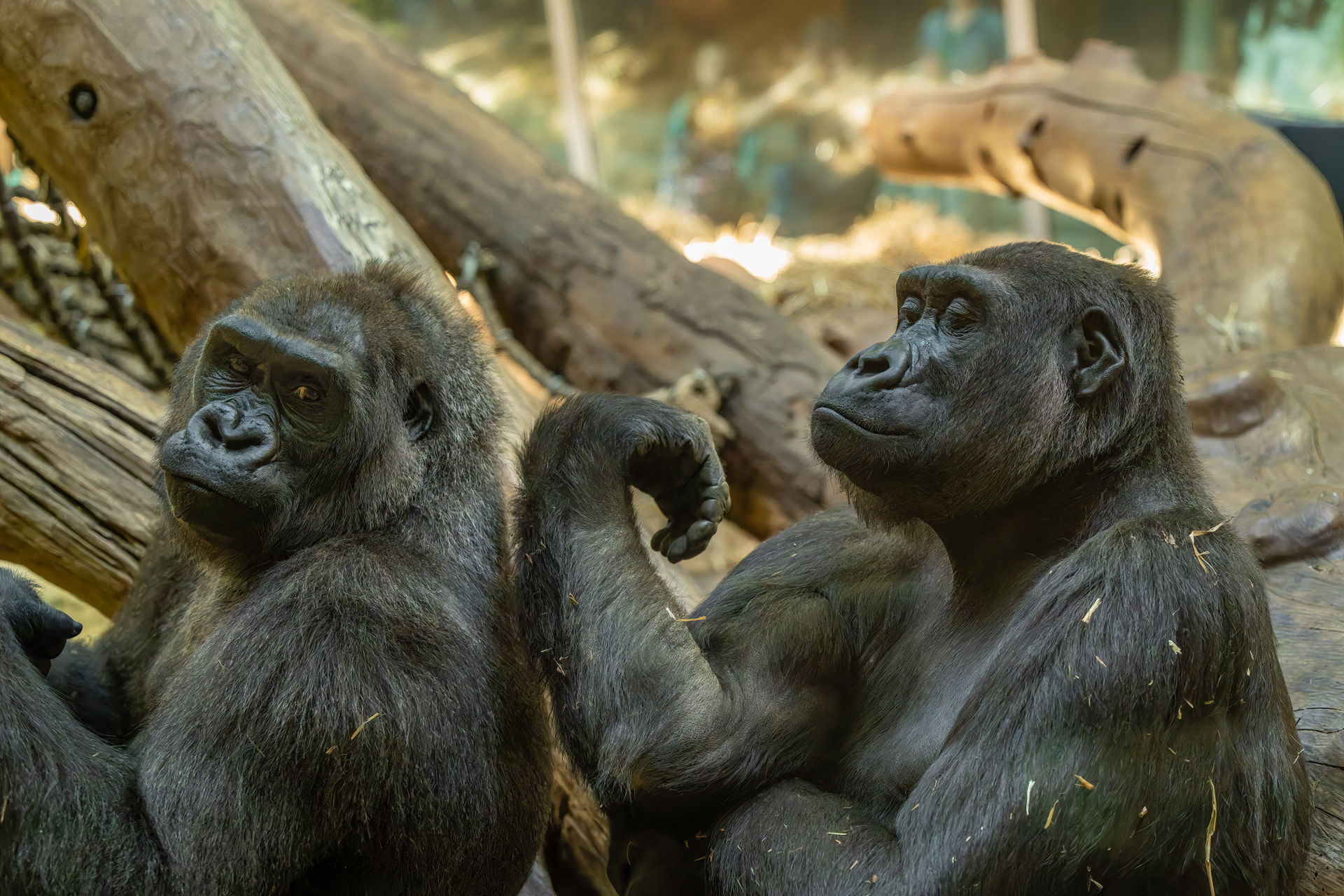
Gorilla Haiba and Gorilla Mayumi. Foto: Zoo Zurich, Fabio Süess
New Gorilla Group
Zoo Zurich's gorilla group was reorganized last year. Along with the silverback, three new females also arrived in Zurich at that time. Of the former gorilla group, only the female Haiba joined the new group. Gorilla groups are not rigid units; this is true both at the zoo and in the wild. When group members die or new ones join, positions are renegotiated. Conflicts are part of this process of establishing a new hierarchy. The recent births of young gorillas are therefore a sign of stable group dynamics. All the animals are part of the European Endangered Species Breeding Program (EEP) and thus contribute to the conservation of the critically endangered western lowland gorillas.
United in the Name
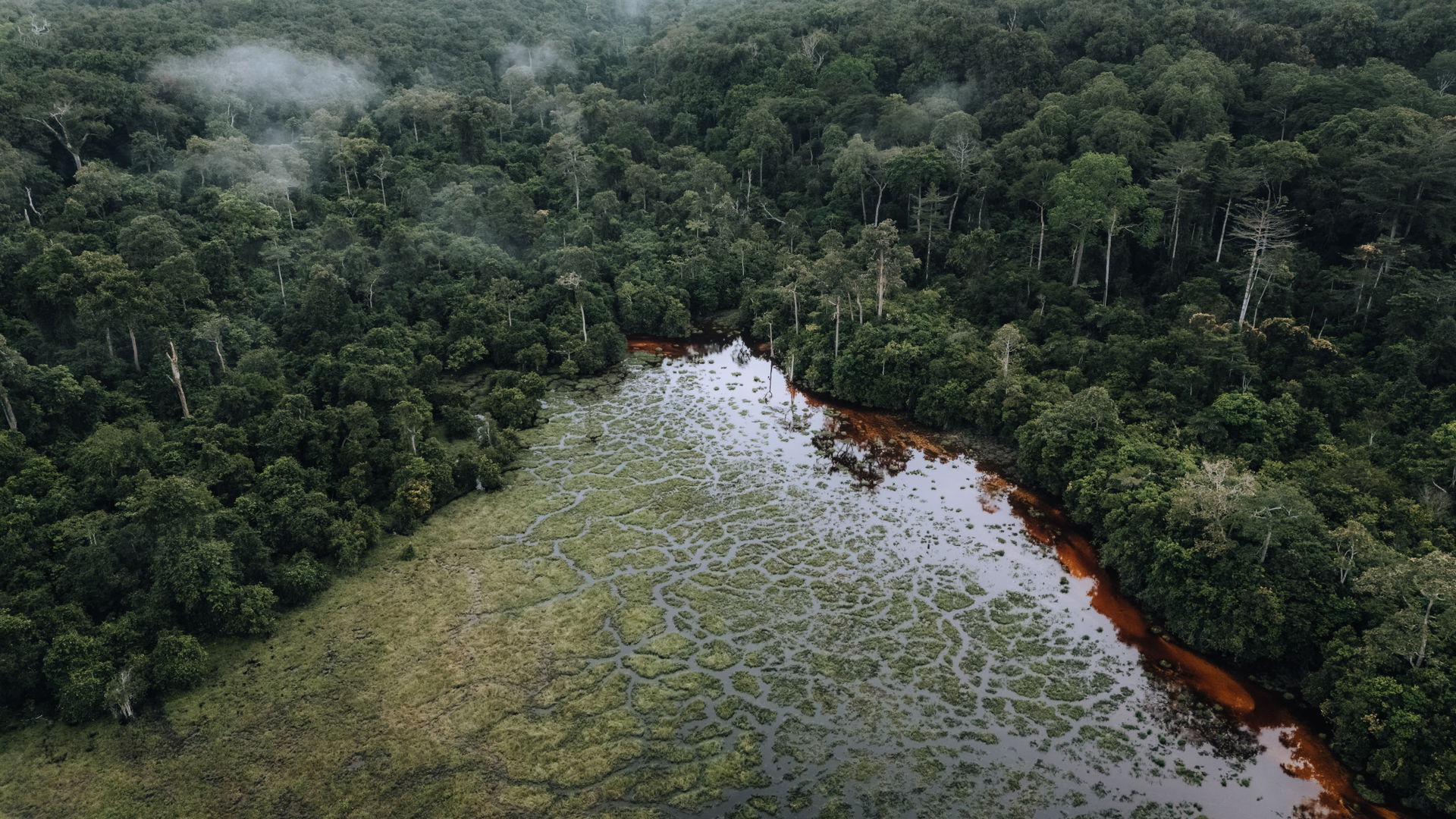
Both gorilla infants, Amata (born in July) and Askana, have been given names from Lingala, the language spoken in the Republic of the Congo. The choice of names is no coincidence. They highlight what the Zurich Zoo stands for: holistic nature and species conservation. Since last year, the zoo has been collaborating with the local conservation organization Wildlife Conservation Society Congo (WCS) on its ninth conservation project in the Nouabalé-Ndoki National Park in the Republic of the Congo. The Nouabalé-Ndoki National Park is a nature reserve covering just over 4,000 square kilometers in the Congo Basin. It is characterized by a largely untouched rainforest and is one of the most important refuges for the critically endangered Western lowland gorilla.
With the planned habitat Ndoki Forest, which will be created in the lower part of the zoo and whose name also draws on the original, the zoo is bringing this unique habitat to Zurich, thereby creating yet another connection. An open, marshy clearing surrounded by a dense forest with “giant trees” reaching heights of up to 25 meters will form the center of the new habitat. Around 100 such giants will shape the landscape. While the gorillas will have a natural climbing environment in a species-appropriate habitat, zoo visitors will immerse themselves in the nature of Central Africa and learn why it is important to protect it.
Ebola, Conflicts, Hunting, and Habitat Loss
On the Red List of Threatened Species, the Western lowland gorilla is classified as "Critically Endangered" on the Red List of Threatened Species. This category requires a population decline of 80% within three generations. Even based on conservative projections for the gorilla population’s trend, such a drastic decline is highly likely in the coming decades. Currently, the population is declining by about 2.7 percent annually.
The natural range of the western lowland gorilla extends from Cameroon through Gabon and the Republic of the Congo to the Democratic Republic of the Congo. The greatest threat to these animals is humans. Gorillas are hunted for trophies and as bushmeat for consumption. Deforestation and slash-and-burn farming are causing their habitat to shrink steadily. Political instability and civil war lead to human-wildlife conflicts and inadequate enforcement of conservation measures. The Ebola virus also poses a major threat, wiping out entire local populations.
Bringing Together What Belongs Together
“The combination of nature conservation, species conservation, education, and research is a holistic approach to protecting endangered species. Two baby gorillas are therefore more than just adorable new arrivals at the zoo. They are a visible and important contribution to our efforts to protect western lowland gorillas and their habitat in the Congo Basin in Central Africa,” says zoo director Severin Dressen, summing it up.
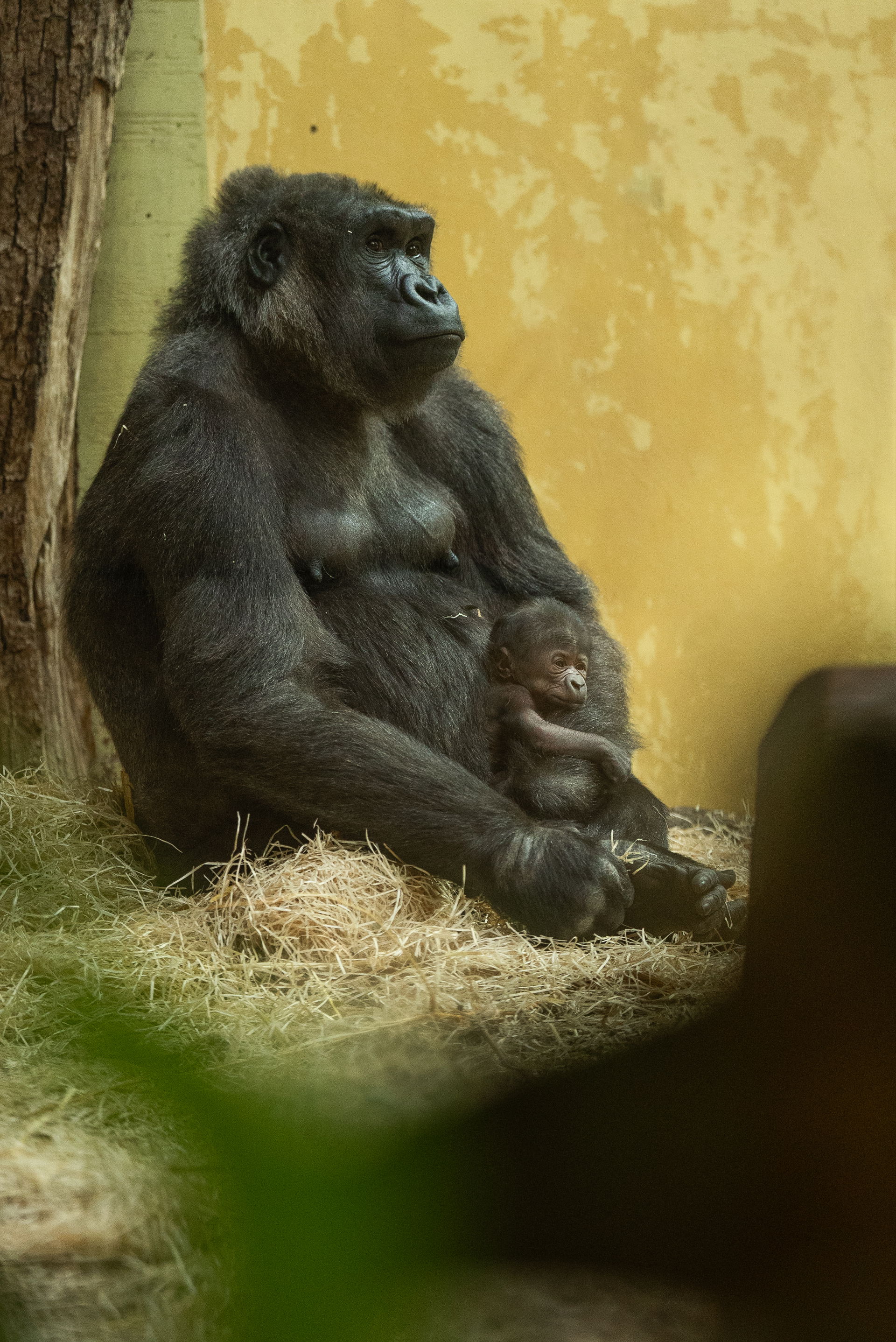
Photo: Zoo Zurich, Tim Benz
The images are available for use in editorial coverage of the Zurich Zoo, provided the source is credited.
Contact person for this topic
Dr. Severin Dressen
Director of Zoon Zurich
Point of Contact
- Education
- Research
- Species Conservation
 HabitatsWe protect nature – locally and globally