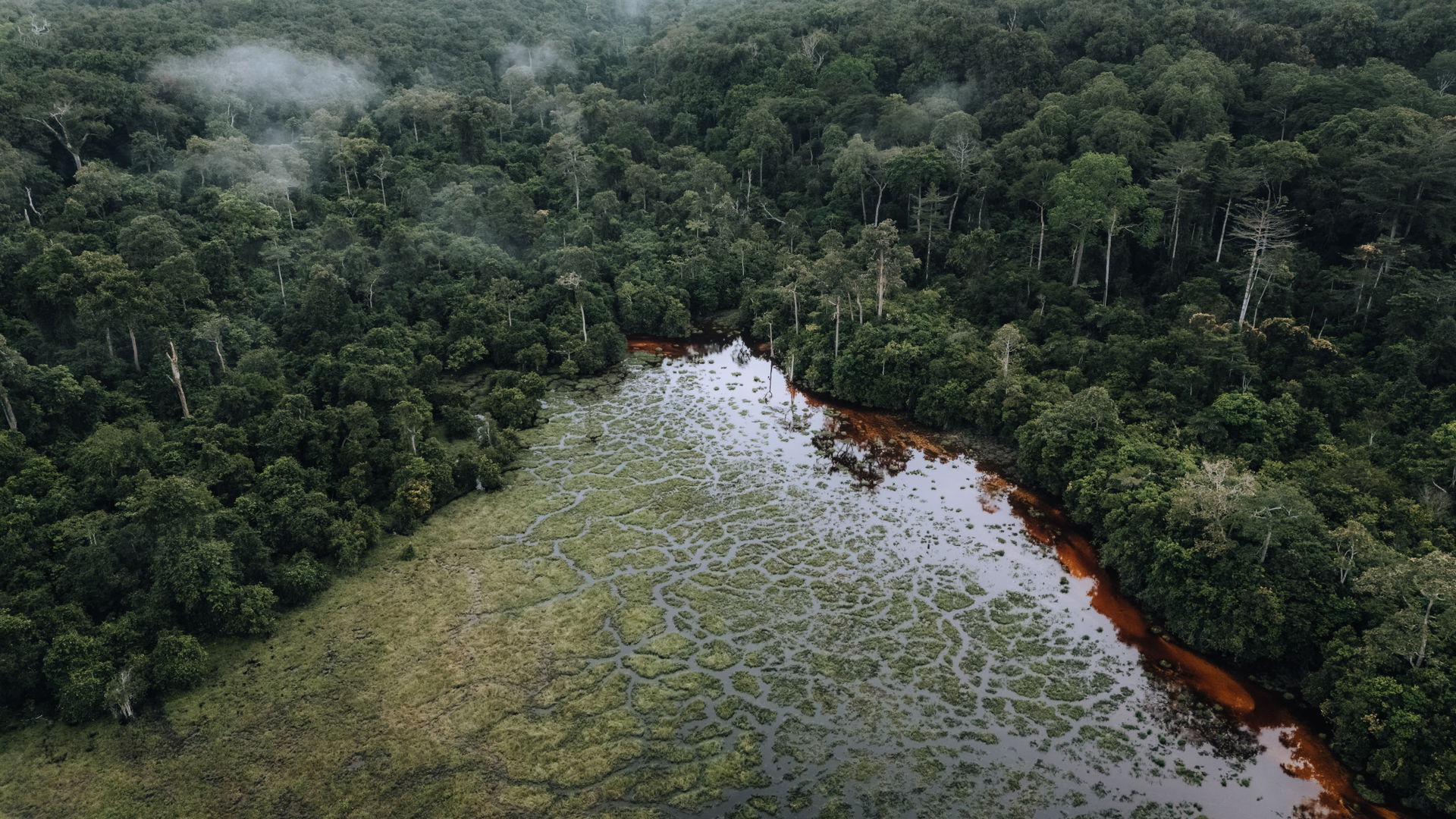
Blick in den Nouabalé-Ndoki Nationalpark in der Republik Kongo.

03.11.2026 — Species conservation

COP 17: No major breakthrough, but some small progress

Last Friday, the 17th Conference of the Parties to the Convention on Biological Diversity (COP 17) came to a close in Armenia. For two weeks, 196 countries had been debating the future of our planet’s biodiversity there. Even before the conference, it had become clear that the pace of implementing conservation efforts was too slow. What did the world’s most important conference on biodiversity conservation achieve?

There has been no major breakthrough. Instead, modest progress has been made. On a positive note, the countries have once again explicitly committed to implementing the 2022 Global Biodiversity Framework, known as Kunming-Montreal Agreement, and that this was clearly reaffirmed in the final declaration. So the will is there.

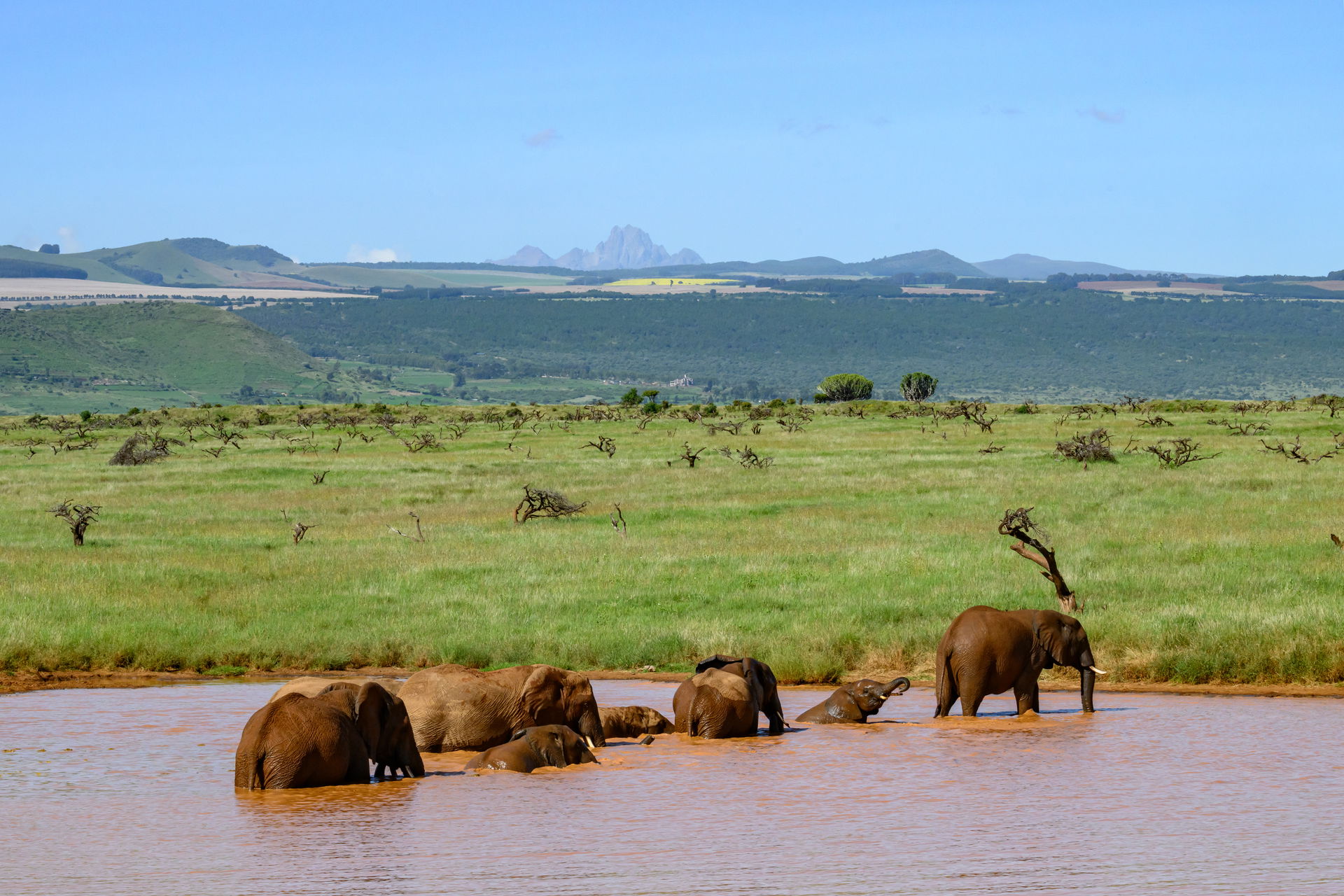
Elefanten im Lewa Wildlife Conservancy in Kenia. Foto: Zoo Zürich, Martin Bauert.

30 percent of the world’s land and marine areas are to be placed under protection by 2030. This is stated in the Global Biodiversity Framework. Photo: Zurich Zoo, Martin Bauert.
More Speed

Two years ago, at COP 16 in Cali, Colombia, there had been less consensus. The conference had been adjourned after tough negotiations and without a joint final declaration. Now, it’s time to move forward again.

For example, various initiatives have been launched to accelerate progress toward achieving the agreement’s 23 goals. The first global interim report on the progress made so far by countries in implementing the Global Nature Agreement had shown at the start of the conference that significantly more effort is needed. We reported on this.

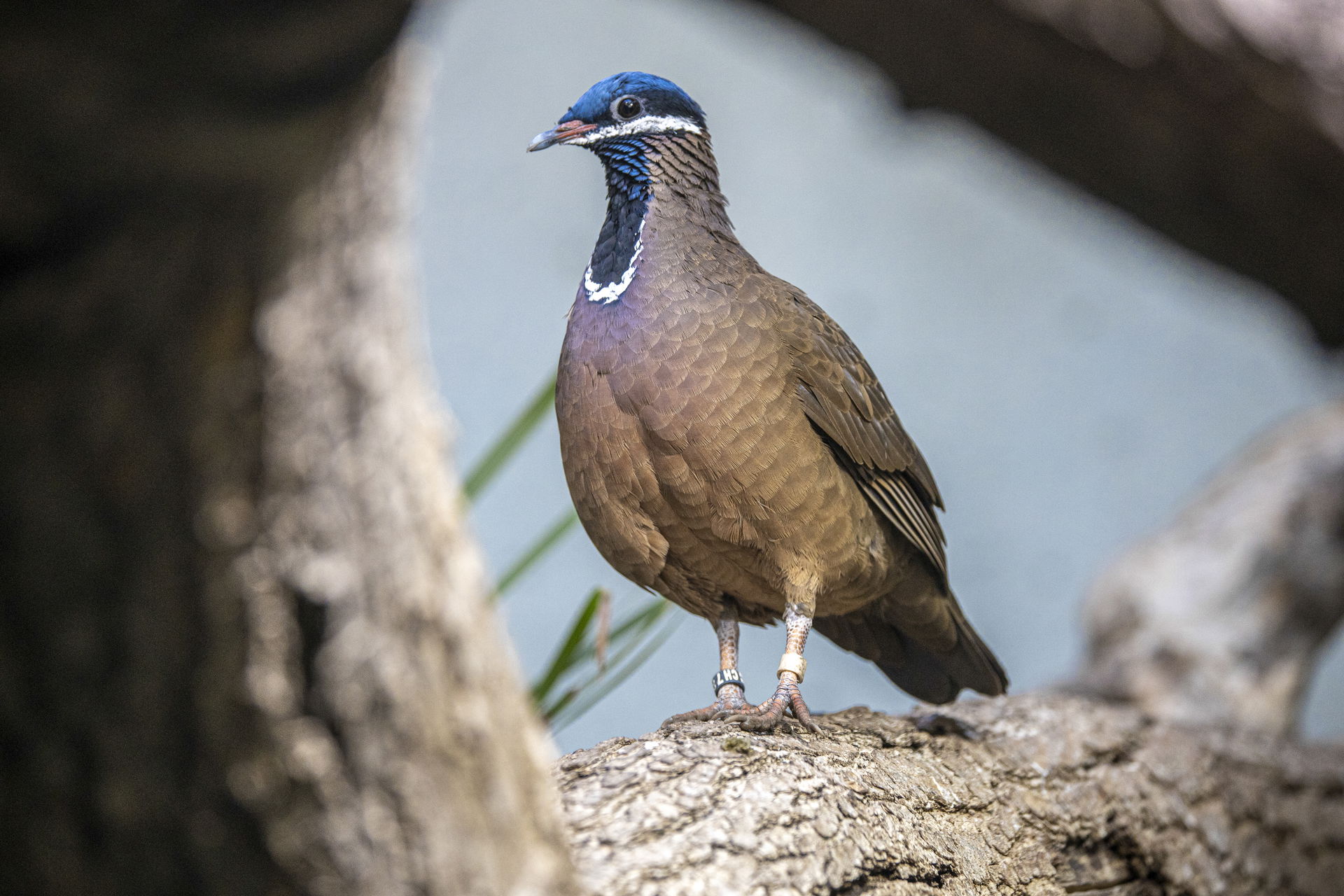
Kubataube im Zoo Zürich.

The EEP for the critically endangered Cuban dove is one of a total of eight EAZA Ex situ Programms (EEPs) coordinated by the Zurich Zoo. Photo: Zurich Zoo, Enzo Franchini

Conservation breeding programs as part of the solution

One of the 23 goals is Target 4. Among other things, this goal focuses on measures to protect endangered species outside their natural habitats—known as ex situ species conservation. Modern zoos, such as Zoo Zurich, are already doing valuable work in this area by preserving species through coordinated breeding programs.

Just recently, the EAZA —the European Association of Zoos and Aquaria, which oversees more than 500 such conservation breeding programs—has just published a new overview paper on how EEPs (EAZA Ex situ Programms) work. As a scientifically managed zoo, Zoo Zurich is an accredited EAZA zoo and participates in numerous EEPs. To further contribute to these efforts, we are gradually restructuring our animal collection to include only species that are threatened or relevant to research.

Missing image in CMS

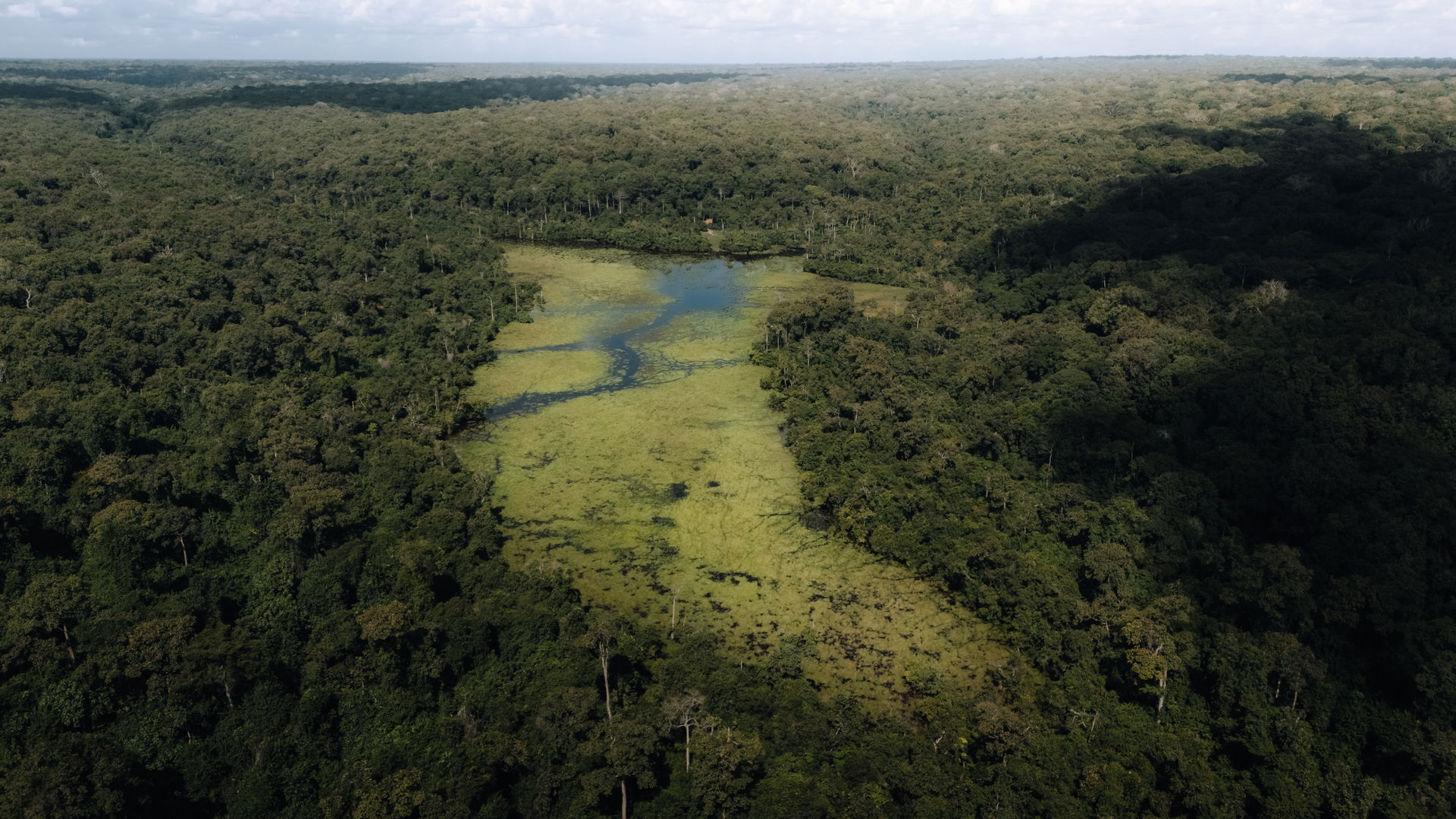
View of a Bai landscape in Nouabalé-Ndoki National Park. Zoo Zurich supports the conservation of this habitat in the Republic of the Congo as part of its Ndoki conservation project. Photo: Zurich Zoo, Tim Benz.
However, to safeguard our biodiversity in the long term, protecting habitats is essential. The progress made toward phasing out environmentally harmful subsidies is therefore considered a surprise success at COP 17.

"We are funding our own extinction"

Currently, for every dollar invested in protecting nature, about 30 dollars are simultaneously being spent on activities that destroy nature! UN Secretary-General António Guterres summed up this fact at the conference by saying, “We are financing our own extinction.” So a systemic change is needed.

Under the 2022 Global Nature Pact, countries had already committed to reducing or redirecting such harmful incentives by at least $500 billion per year by 2030. At the same time, financial flows in support of biodiversity are to be increased to at least $200 billion per year by 2030. In Armenia, at least three initiatives have now been launched to phase out such harmful subsidies. However, financing remains the biggest sticking point of the conference.

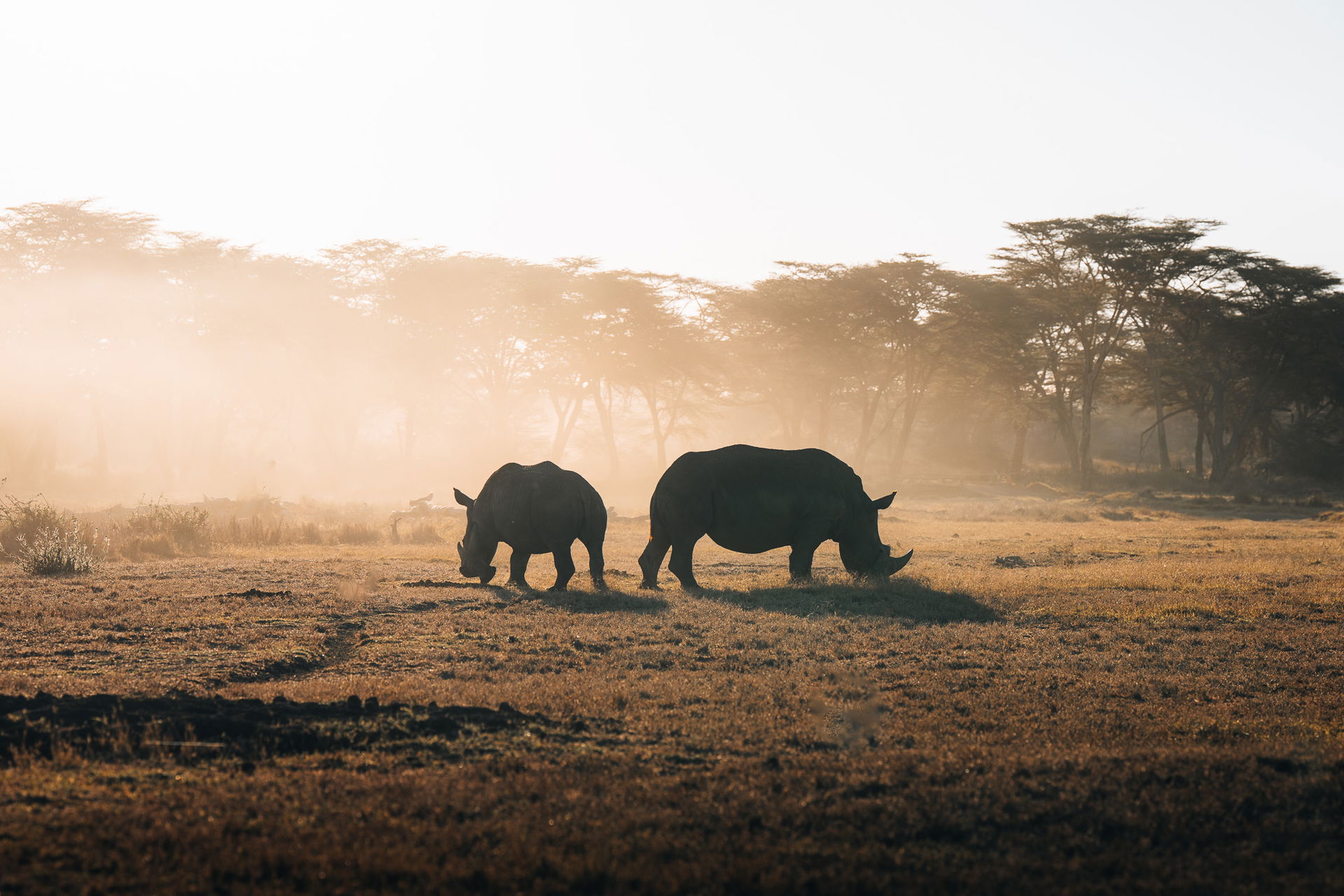
Blick auf zwei Nashörner im Naturschutzprojekt Lewa in Kenia des Zoo Zürich.

In Kenya, the zoo is also working to protect rhinos and combat poaching as part of its Lewa conservation project. Photo: Zurich Zoo, Tim Benz.

More Than Just a Nice-to-Have

Nature conservation and species protection are not just nice-to-haves. They are arguably the most important investment in the foundations of our lives. We all depend on an intact natural environment. That is why Zoo Zurich is committed not only to education, research, and species conservation within the zoo itself, but also to nine major, long-term nature conservation projects to permanently safeguard habitats. Each year, we invest approximately 2.5 million Swiss francs in this conservation work.

Take Action Yourself

Would you like to help protect our natural environment and its unique biodiversity? If so, we would appreciate your donation!

  • Education
  • Research
  • Species Conservation
  • Blick aus der Luft auf einen Teil des Nouabalé-Ndoki-Nationalparks (NNNP) im Kongo.HabitatsWe protect nature – locally and globally
Back to overview