23.11.2026 — Species conservation — Animals
The new gorilla group is growing
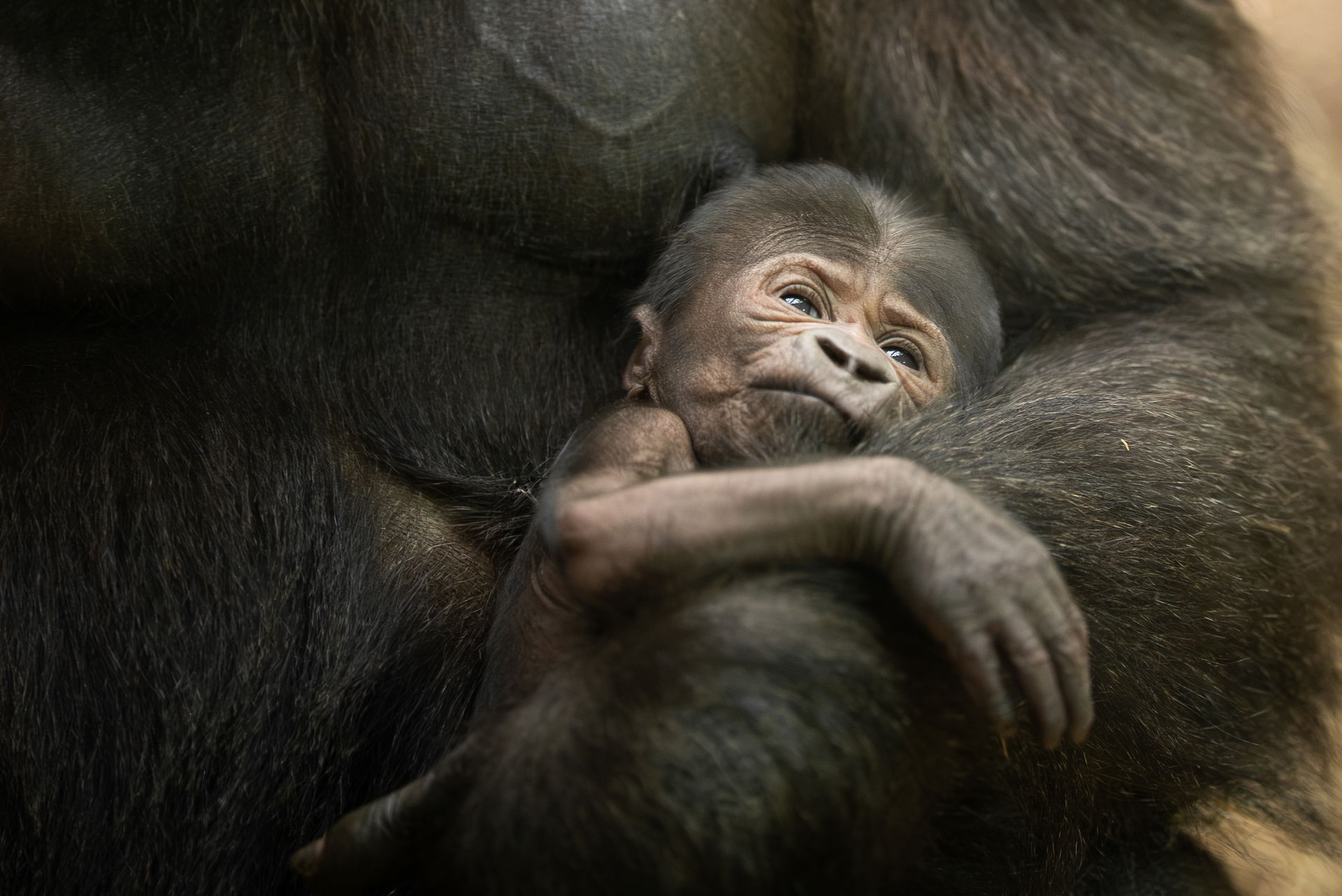
Haiba the gorilla has given birth to her first baby! It’s a boy, and his name is Asakana. Haiba is taking to her new role wonderfully. She always carries her baby close to her body and cares for him day and night. We’ve already caught a glimpse of him nursing.
The other gorillas are also incredibly curious. For them, the rule is: looking is allowed, but touching is off-limits. Only Mayumi, a female who is currently caring for a baby gorilla of her own with Amata, was allowed to briefly touch Haiba’s baby. Father Bwana takes on the role of protector and keeps a close eye on everything at all times.
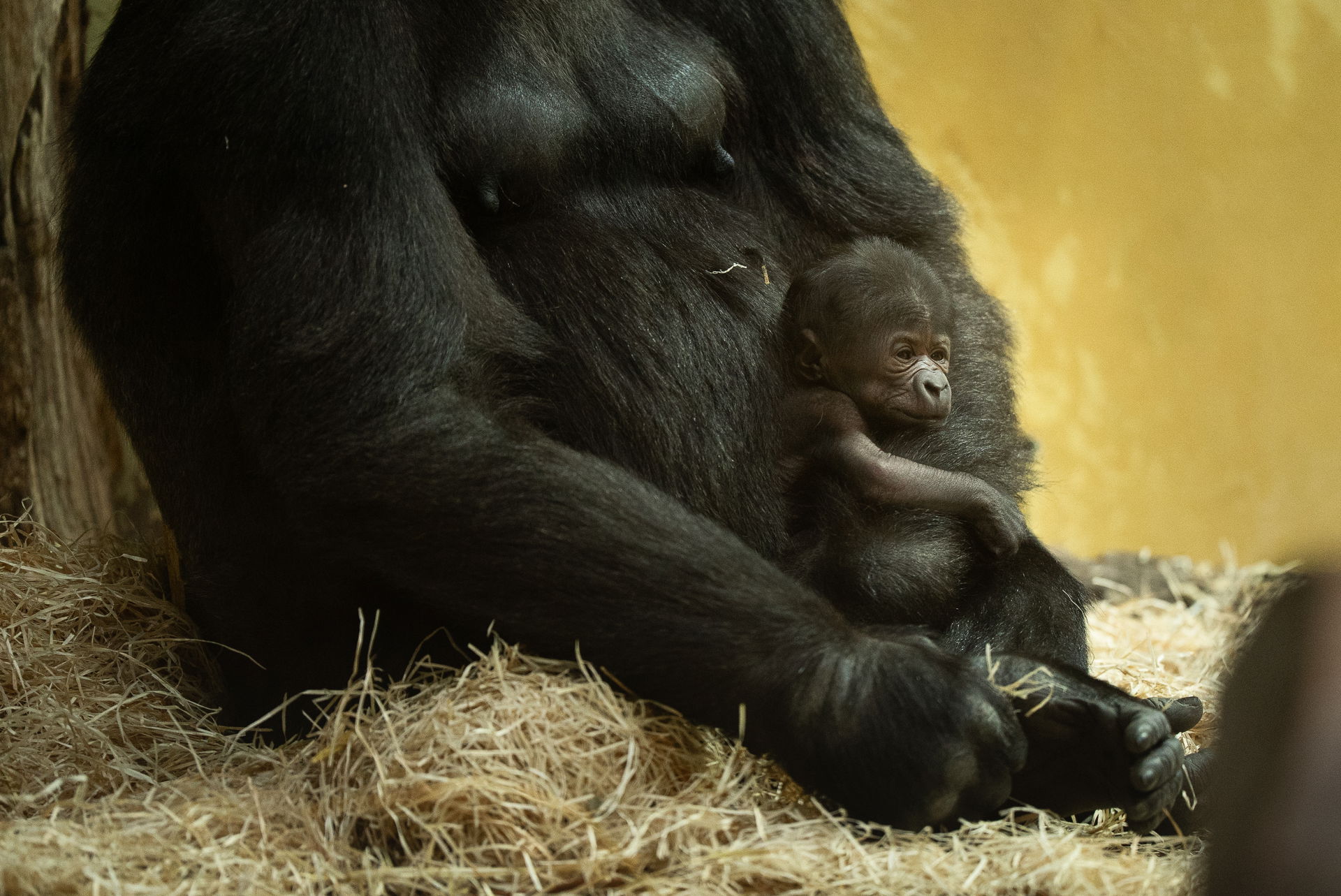
Newborn gorilla Asakana with his mother Haiba. Photo: Zoo Zurich, Tim Benz
Asakana, born on November 22, 2026, is the second baby in the new gorilla group. Mayumi had already given birth to her female baby, Amata, at the end of July. Having two babies at once is a cause for double celebration. In a few months, the young gorillas will become more than just great playmates. Gorillas are also very social animals that care for their young intensively for many years.
Contribution to Species Conservation
Asakana and Amata are already shaping their mothers’ daily lives and will have a long-term positive impact on the well-being of the entire group. Each new offspring also contributes — and this is ultimately the most important thing — to species conservation. For it is only through successful breeding that we can do our part to protect the endangered Western lowland gorilla.
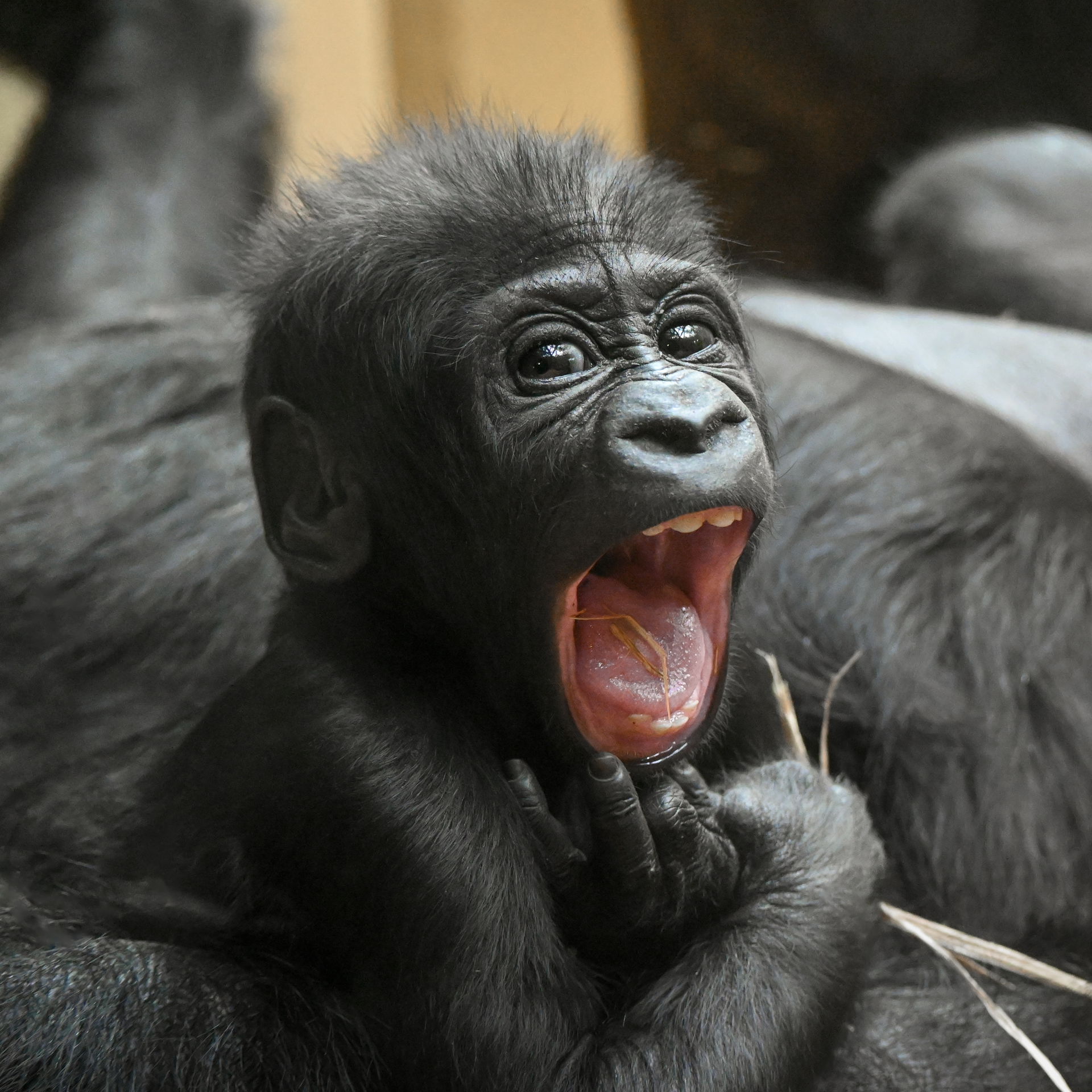
At four months old, Amata is already more active. She’s already imitating her mother and occasionally testing the taste of straw. Photo: Zoo Zurich, Monika Bader
In the Name of Solidarity
Asakana and Amata are both names from the Lingala language, which is spoken in the Republic of the Congo. Asakana means “someone who likes to have fun,” and Amata means “the one who likes to climb.” For us, these names mean even more.
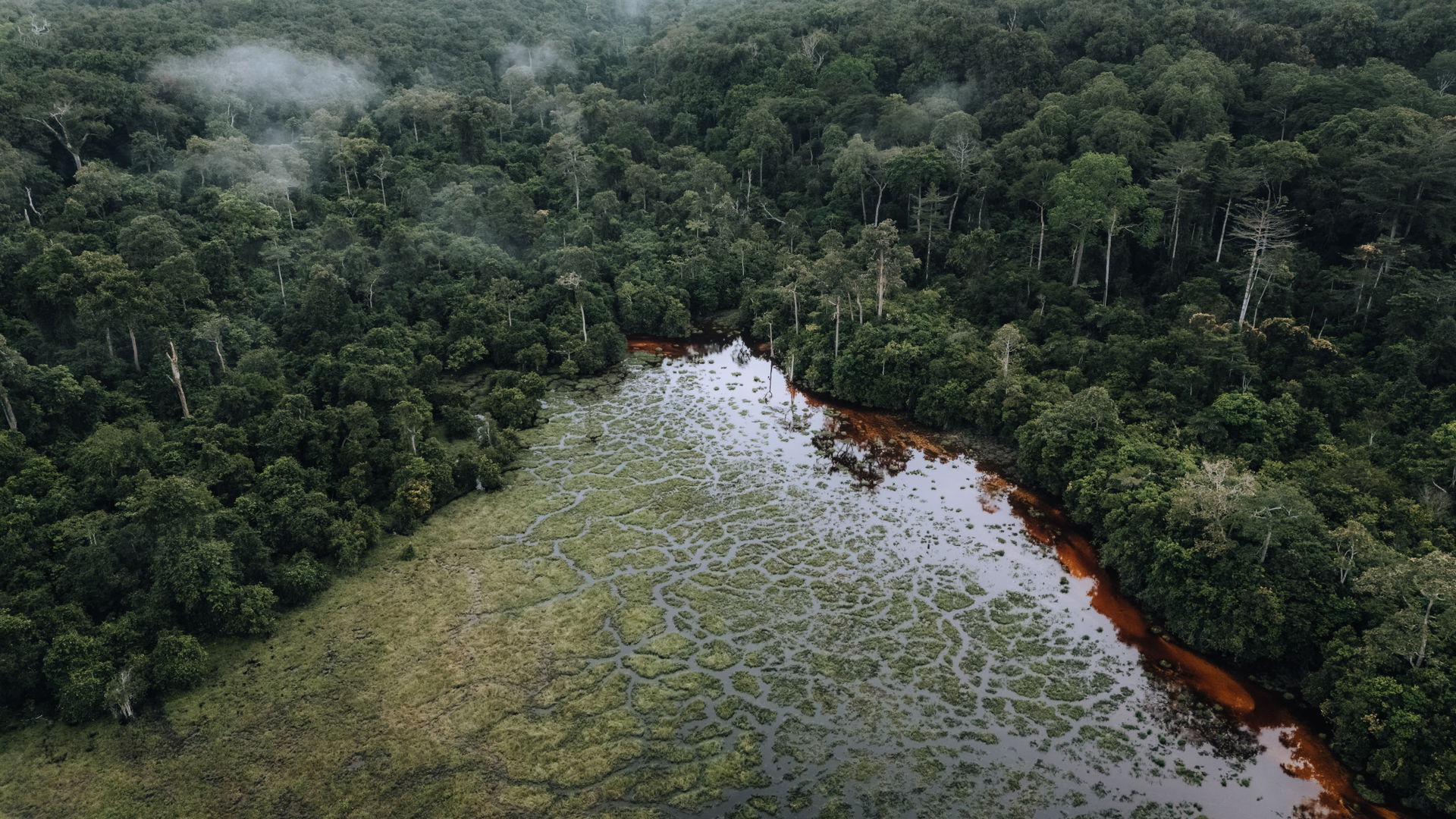
They also represent our most recent partnership in conservation: The Wildlife Conservation Society Congo is our ninth conservation partner, and the Nouabalé-Ndoki National Park is the jointly protected area in the Republic of the Congo. As a sign of solidarity in the protection of gorillas, the local team suggested names for our new arrivals.
And by the way: We’ll also call our large habitat for gorillas, okapis, and pygmy hippos “Ndoki Forest,” which we’re currently planning based on the model of Ndoki National Park. Learn more about the Ndoki Forest.
- Education
- Research
- Species Conservation
 HabitatsWe protect nature – locally and globally