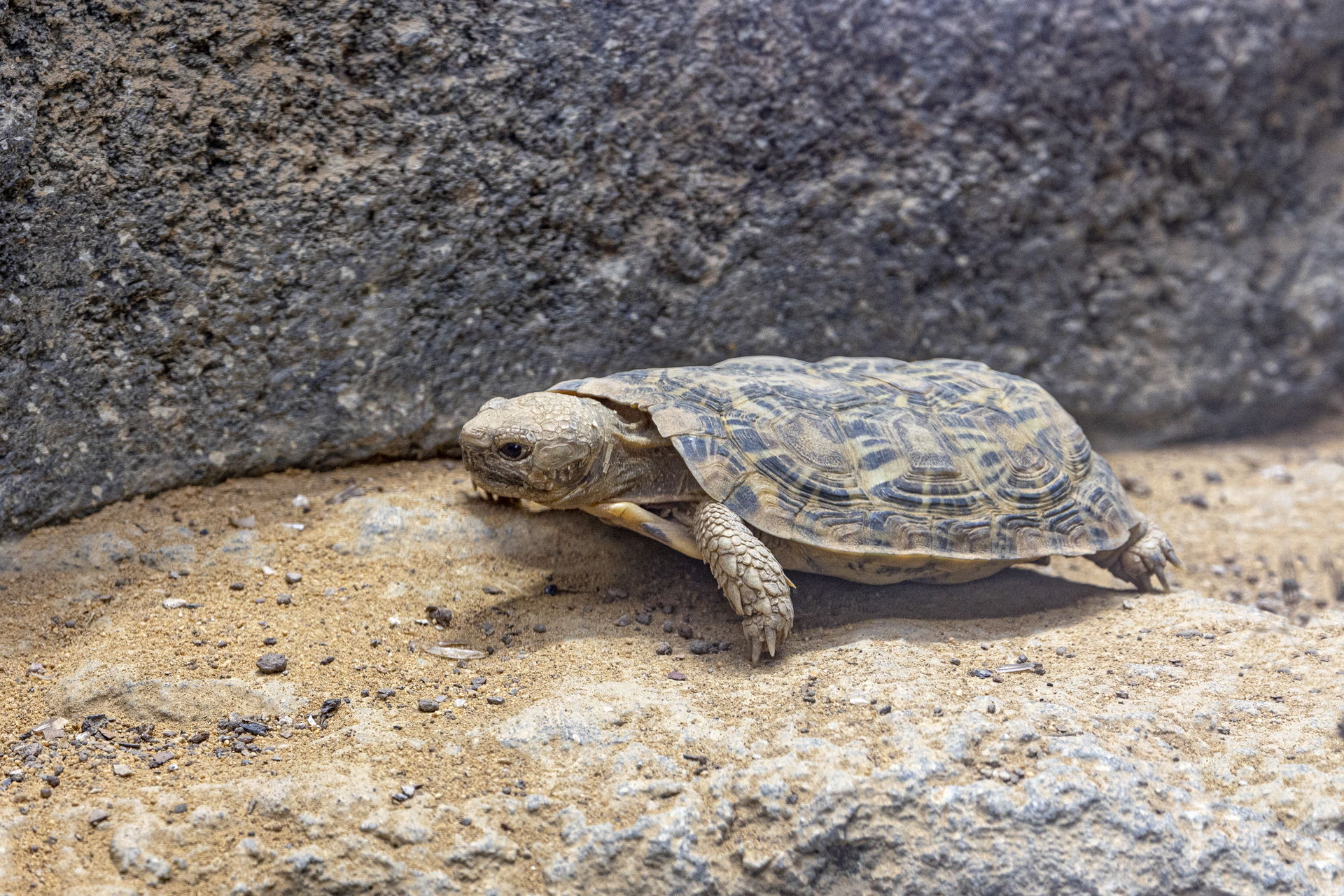
Spaltenschildkröte (Malacochersus tornieri) in der Lewa Savanne des Zoo Zürich

Pancake tortoise

Malacochersus tornieri

Pancake tortoises are adapted to life in rocky habitats. When danger threatens, they take refuge in narrow rock crevices, where they can wedge themselves in using their flat, flexible shell and their legs. This protects them from predators.

CR

Red List
Critically Endangered
Breeding programme

The carapace of the Pancake tortoise is very flattened. It is so thin that you can see its breathing. 

The softness of its shell makes it more vulnerable to predators than other tortoises. When danger threatens, it dashes nimbly to the nearest crevice. It can run two to three times as fast as other tortoises.

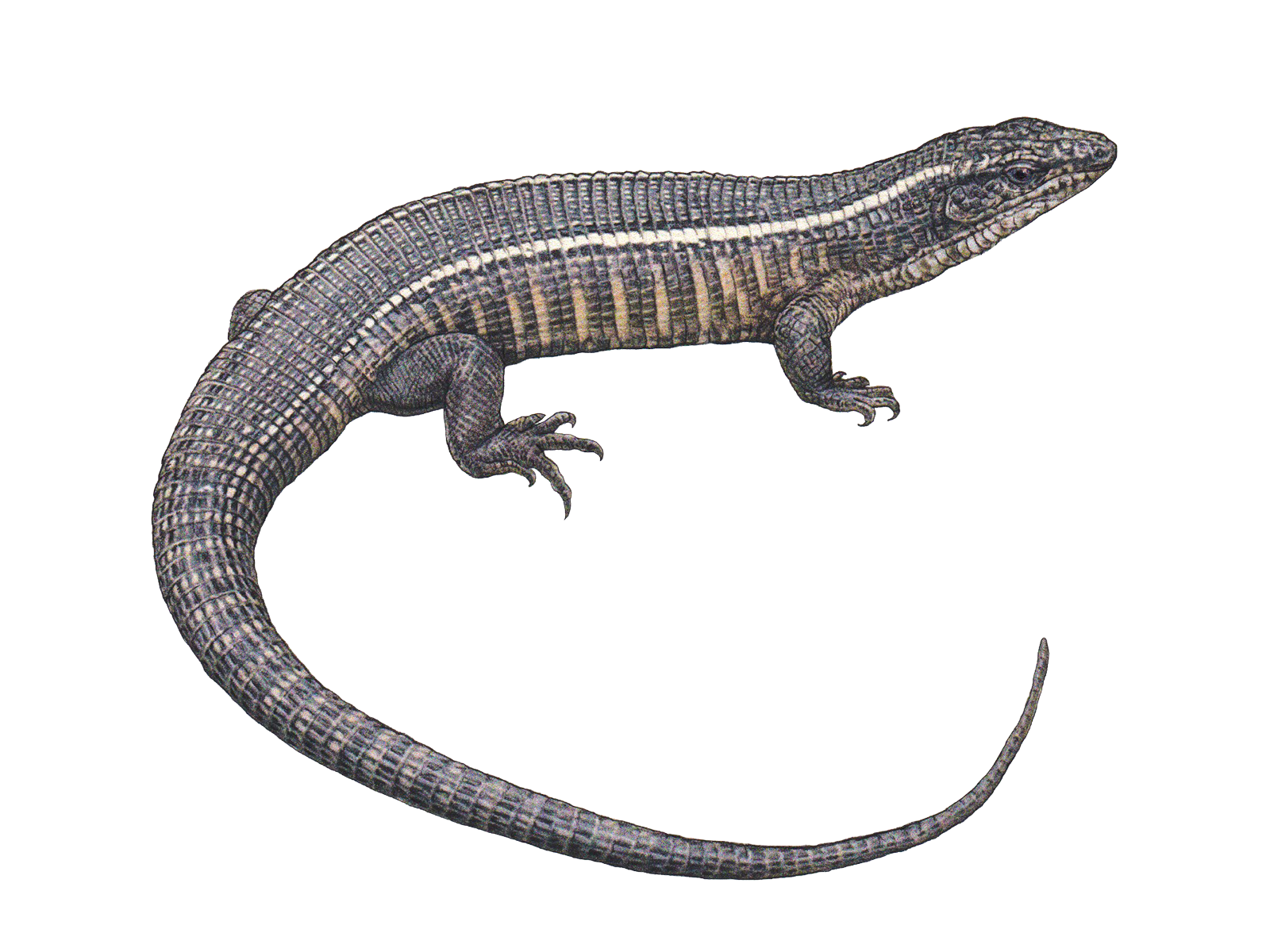
In the crevice, it inflates itself with air so that its shell becomes firmly wedged in the rock. This makes it difficult for predators to pull it out of the crevice, much like the Common giant plated lizard does. 

The Pancake tortoise was first scientifically described in 1903.

Taxonomy

Testudinidae, Malacochersus (1 species)

Habitat

kopjes in thornbush savannahs and dry forests at altitudes between 50 and 1,800 metres above sea level

Behaviour and ecology

diurnal

Diet

plant parts with a high water content (succulents)
Habitat at the zoo:

Lewa Savanna
Taxonomy

Testudinidae, Malacochersus (1 species)

Habitat

kopjes in thornbush savannahs and dry forests at altitudes between 50 and 1,800 metres above sea level

Behaviour and ecology

diurnal

Diet

plant parts with a high water content (succulents)
Habitat at the zoo:

Lewa Savanna

Godparent

Support the animals of Zoo Zurich with your annual godparent sponsorship

Pancake tortoise for CHF 300.–

Become a godparent

Godparent

Support the animals of Zoo Zurich with your annual godparent sponsorship

Pancake tortoise for CHF 300.–

Become a godparent

More zoo residents

Back to overview