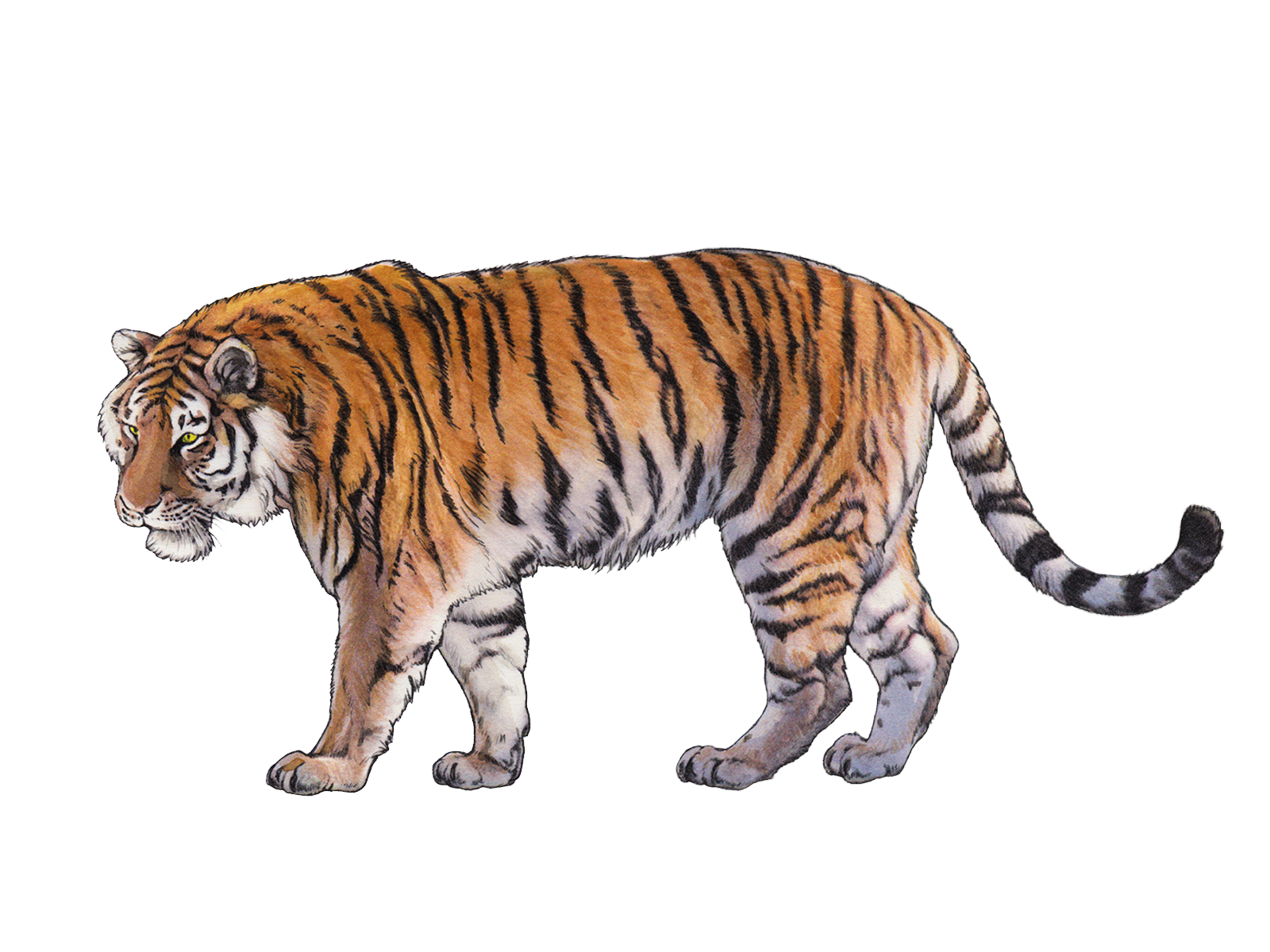
The density of prey in the snow leopard’s habitat is extremely low. Due to this limited food availability, the animals must roam areas of up to 1,000 square kilometres. This makes them – much like the Amur tiger (Panthera tigris altaica) – among the big cats with the largest known home ranges.
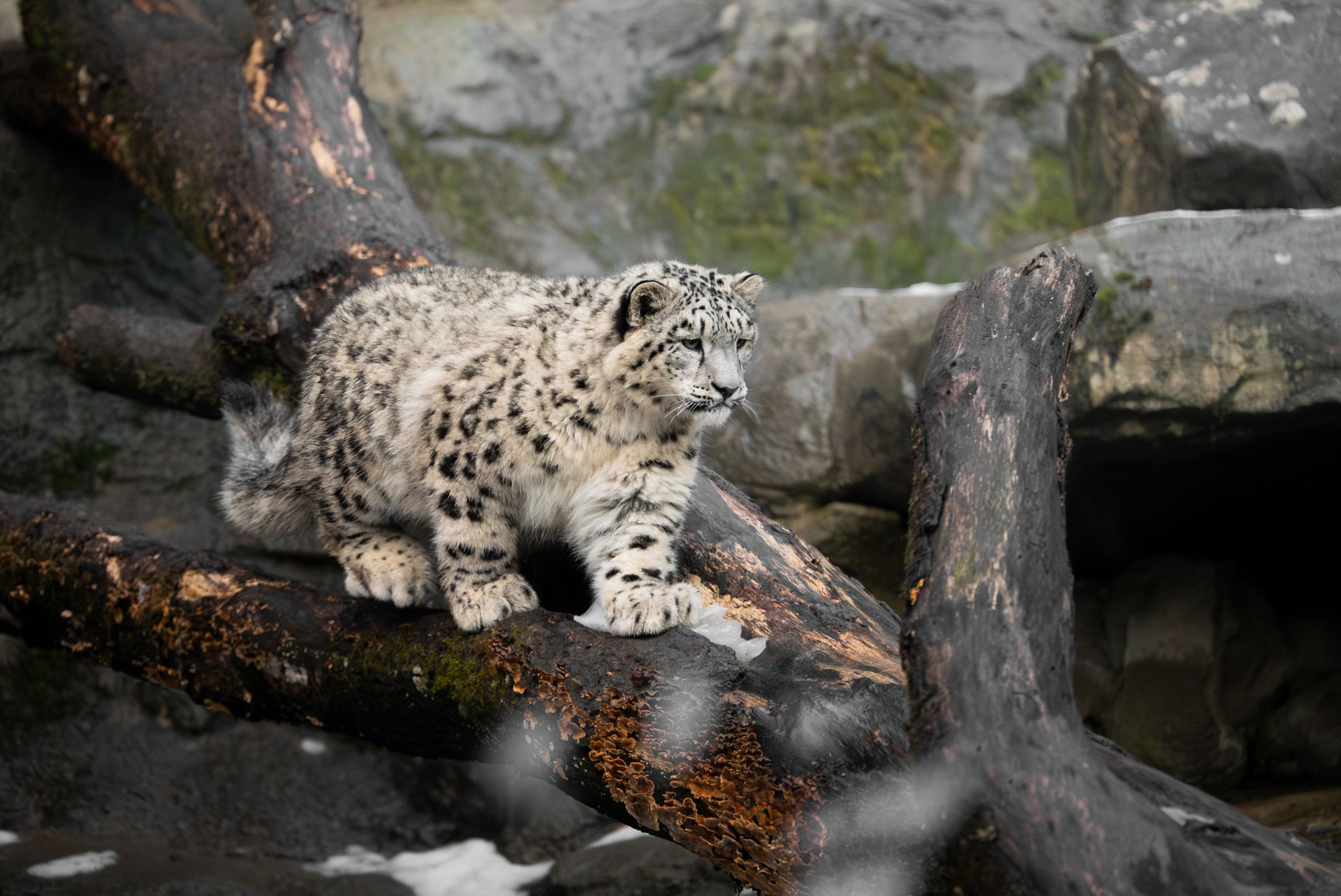
The snow leopard’s thick coat, patterned with black rosettes and spots, provides excellent camouflage in its rocky habitat. Its powerful limbs enable it to leap distances of up to 16 metres. The long, bushy tail plays an important role in maintaining balance on rough terrain. Its broad, heavily furred paws prevent it from sinking into the snow whilst also providing protection against the cold. The snow leopard has the longest and densest fur of any cat species; an important adaptation to the extreme climatic conditions of its habitat.
In addition to these characteristics, snow leopards display a number of anatomical and behavioural features that distinguish them from other big cats. Their muzzle is relatively short, whilst their tail is exceptionally long in relation to their body size. The anatomy of their hyoid bone enables them to produce a kind of ‘purr’ and vocalisations such as calls or growls. However, unlike other members of the genus Panthera, they are not capable of roaring.
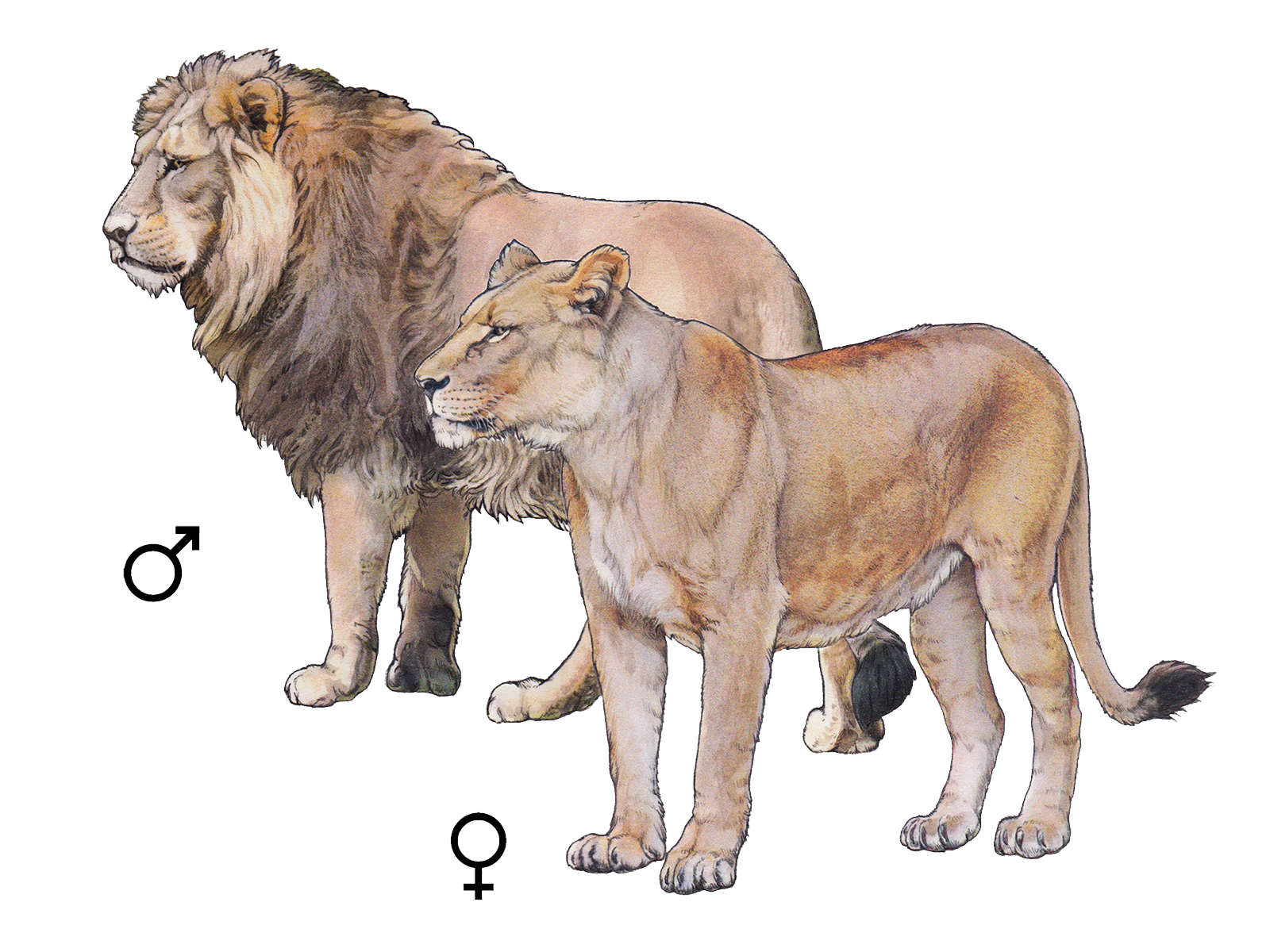
Their feeding behaviour also differs from that of other big cats: snow leopards consume their prey whilst crouching; a behaviour more commonly associated with smaller cat species. In contrast, lions (Panthera leo) and tigers (Panthera tigris) usually adopt a reclining posture whilst feeding, holding their prey in place with their front paws.
Taxonomy
Cats (Felidae), genus Panthera (5 species)
Habitat
high mountains and rocky high-altitude steppes up to 6,000 metres above sea level
Behaviour and ecology
mostly crepuscular and nocturnal, territorial
Social structure
solitary; females with juveniles