14.10.2026 — Tiere
A Miniature Swamp
In his column in the *Tagblatt der Stadt Zürich*, zoo director Severin Dressen shares stories — both big and small — from everyday life at the zoo. This time, he explains what a paludarium is and why there’s one at Zoo Zurich.
You all know what an aquarium is. You probably also have an idea of what a terrarium is. But do you know what a paludarium is? We recently set one up here at the research station. The term “paludarium” is derived from the Latin word “palus,” which means “swamp” or “wetland.” A paludarium is therefore a combination of an aquarium and a terrarium—a habitat that brings both worlds together. It recreates a wetland ecosystem, such as those found in mangroves or tropical rainforests.
The Blue-sided leaf frog is considered endangered. Photo: Zoo Zurich, Tim Benz.
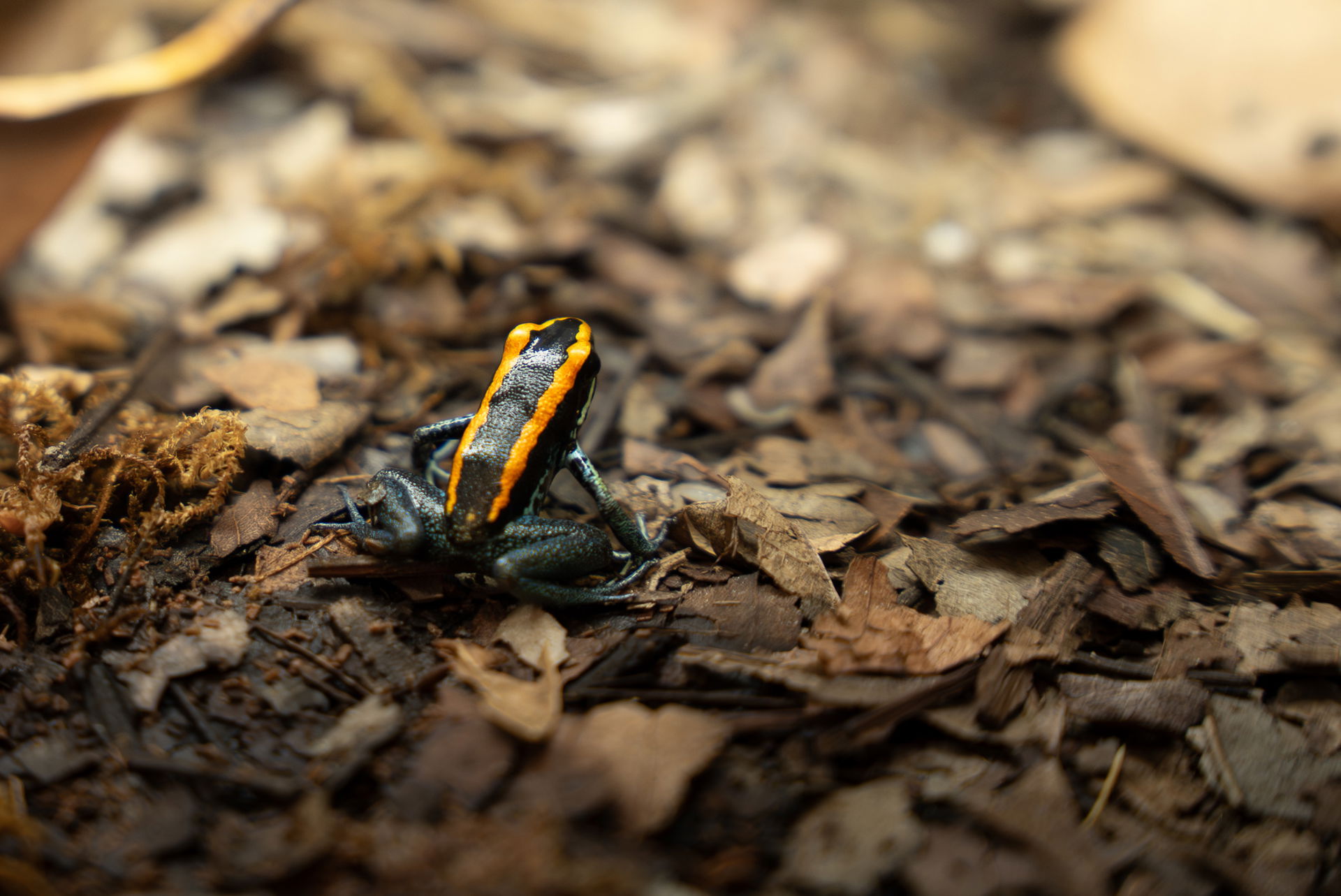
The Golfodulcean poison frog is considered endangered. Photo: Zoo Zurich, Tim Benz.
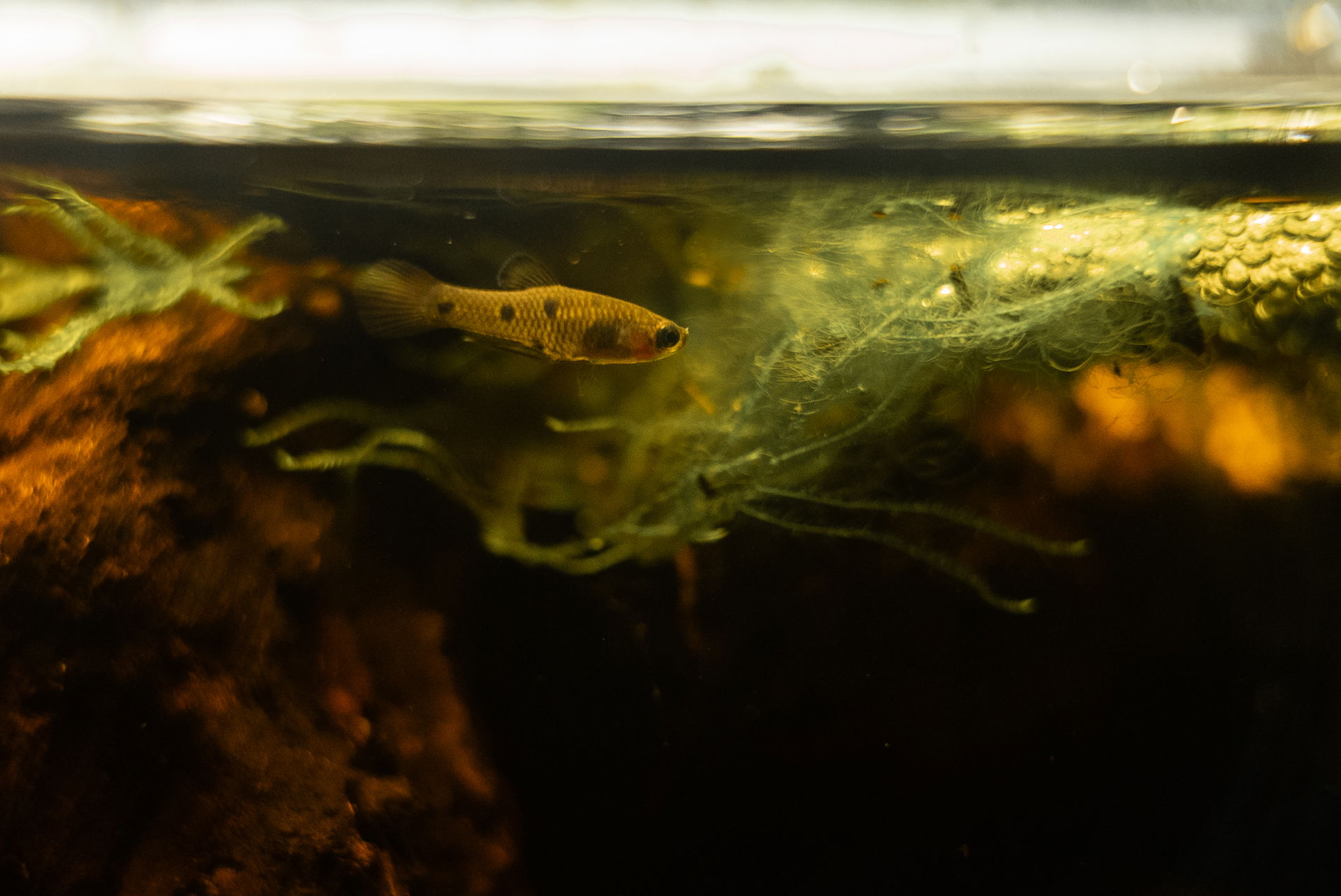
The Fourspotted toothcarp is considered critically endangered. Photo: Zoo Zurich, Tim Benz.
A Home for Endangered Species
Both aquatic and terrestrial species live together in the paludarium. In our specific case, these are orange-eyed tree frogs, striped leaf-climbers, and four-spotted carp. What sounds like characters from the latest Harry Potter book are highly endangered species from Central America. The natural range of orange-eyed tree frogs and striped leaf-climbers — also a species of frog — is the tropical, humid lowland rainforests of Costa Rica. There, and in neighboring Panama, there are also numerous shallow, slow-moving bodies of water with densely vegetated banks. This is the home of the four-spot minnow.
Perfect Niches
The paludarium here at our zoo recreates exactly this habitat: Bright spots in the upper section give way to large foliage and tangled vines, which transition into a dense layer of leaves along the roots and branches and ultimately lead to a shallow, dark body of water with numerous nooks and crannies. A small stream winds its way through the center. The climate is tropical and humid.

The paludarium is located at the zoo's research station. Photo: Zoo Zurich, Tim Benz.
In the paludarium, every species finds its perfect niche. The nocturnal orange-eyed tree frogs spend the day sleeping. To do so, they cling to the upper levels of their habitat — under leaves or sometimes even directly to the glass panes. This behavior gives our guests a unique view of the undersides of these fascinating frogs. The inhabitants of the middle level, on the other hand, are usually heard by our guests first and seen only later. The characteristic calls or trills of tree frog species can be heard clearly even outside the paludarium. The animals primarily stay in the densely vegetated, darker corners of the habitat. With a little patience and searching, however, they, too, can be spotted. And if you crouch down, you can finally catch a glimpse of the four-spot killifish on the lowest level of the paludarium. Admittedly, you’ll need to look closely here as well, since four-spot cyprinids grow to a maximum of four centimeters. They owe their name to the four spots that adorn their flanks.
Interesting Insights
All three species are threatened in their native habitats primarily by human activities such as large-scale deforestation and the introduction of environmental toxins into their habitats. With the paludarium, we provide fascinating insights, create an exciting habitat, and protect three endangered species at the same time.

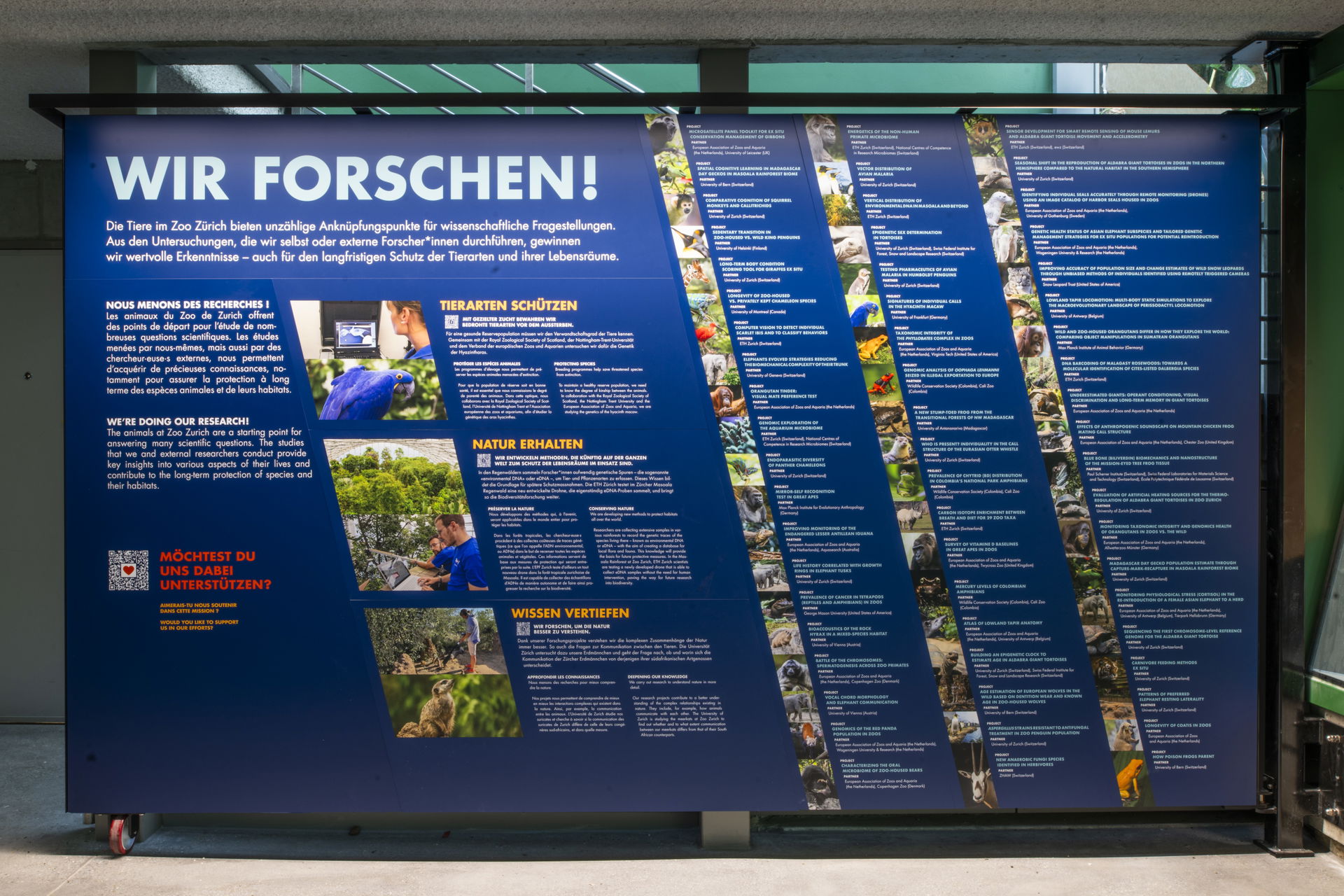
Photo: Zoo Zurich, NIKON Claudio Thoma.
The text above first appeared in Severin Dressen’s column “Zoo Intern” in the “Tagblatt Stadt Zürich.”