15.10.2026 — Tiere
Strategic Hanging Out
In his monthly column in *Die Weltwoche*, zoo director Severin Dressen offers a glimpse into the workings of a modern zoo and reports on developments — both big and small — at Zoo Zurich. Bear-tailed macaques, for example, not only have an unusual name, but they also play a specific role at Zoo Zurich.
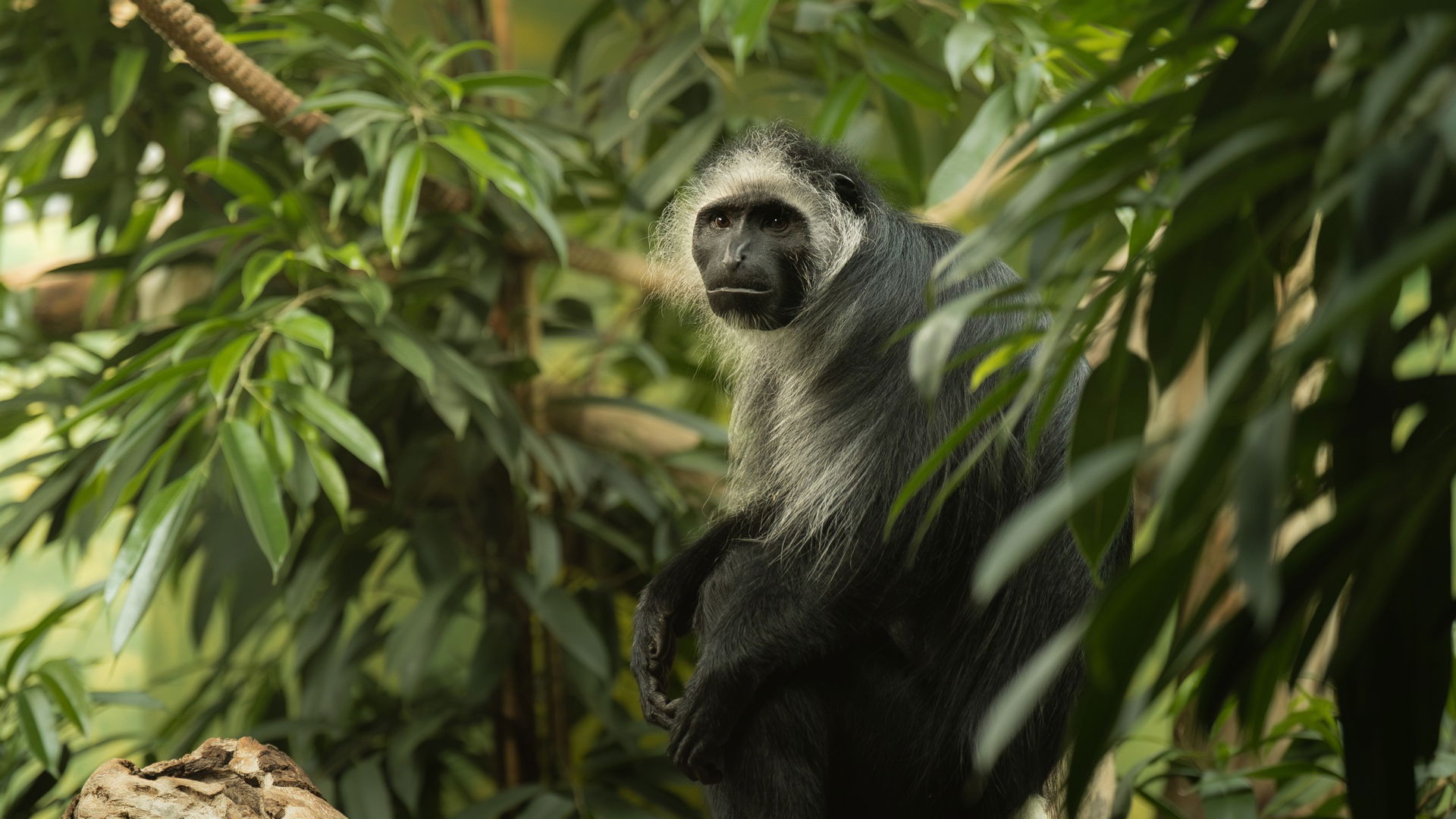
Some animals impress with their strength. Others with their speed. And then there are the bear-nosed monkeys. Anyone watching Finn and Keni might at first think they invented the lunch break. Or the afternoon nap. Or just sitting around in general. In fact, bear-tailed macaques spend a large part of their day resting. This isn’t laziness, but a sophisticated energy-saving strategy. Animals that feed mainly on leaves have to work hard to digest their food, and they don’t exactly have the energy reserves of a pubescent chimpanzee. While other primates race frantically from branch to branch, bear-tailed macaques usually take it easy.

Photo: Zoo Zurich, Fabio Süess.
Severely reduced thumb
The hands of colobus monkeys are particularly remarkable. Or, to be more precise: their thumb, which is practically nonexistent. The scientific name of the genus is Colobus, which comes from Greek. It roughly means “mutilated” or “shortened.” At first glance, that doesn’t sound very flattering. Who would want to be named after a missing thumb?
But evolution had a good reason for this apparent cost-cutting measure. The greatly reduced thumb makes the hand slimmer and more hook-shaped. This allows the animals — when they absolutely have to — to move through the treetops with lightning speed and confidence. While we humans are constantly searching for handholds when climbing, bear-tailed macaques skillfully shimmy through the branches with their specialized hands.

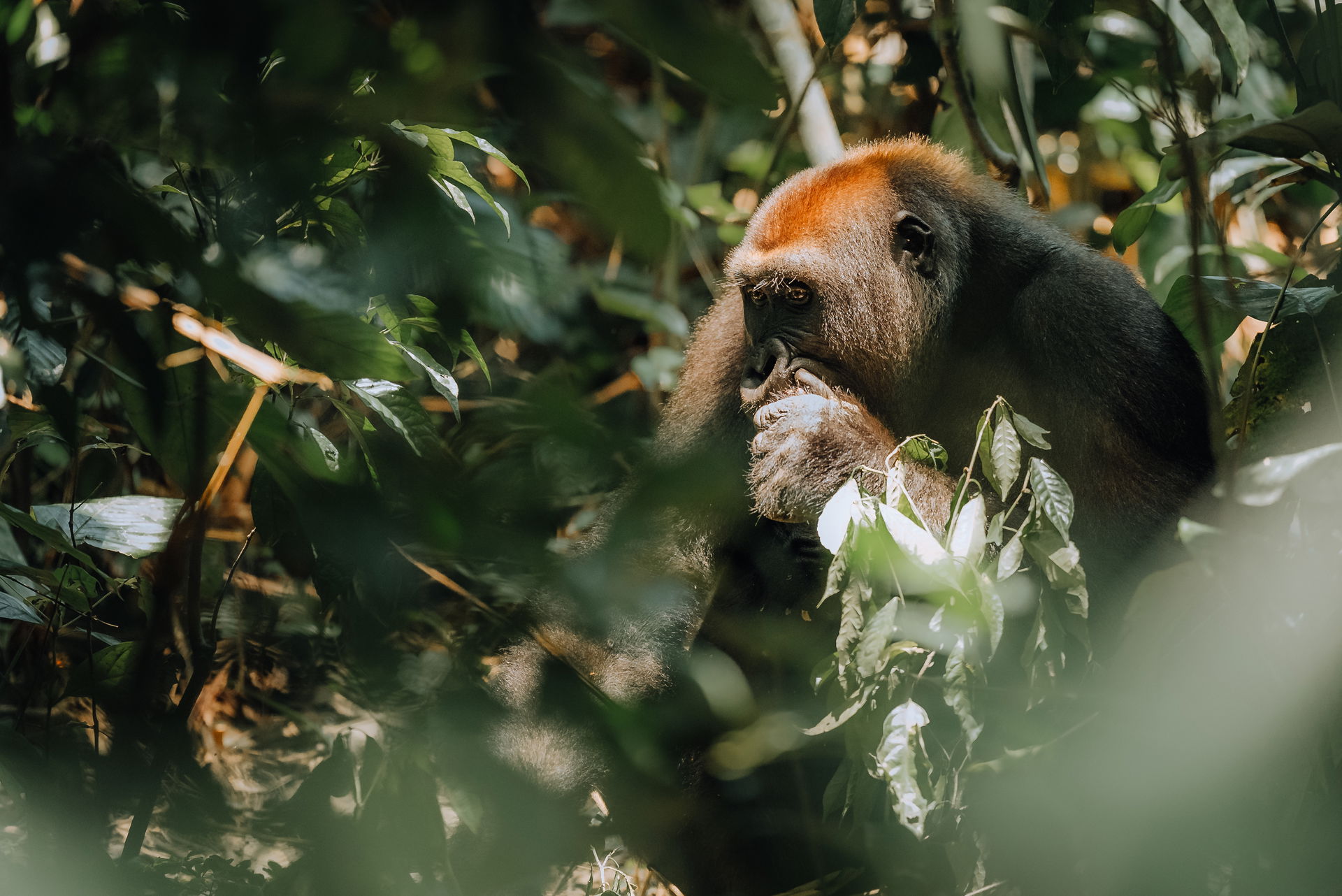
Photo: Zoo Zurich, Tim Benz.
Unfortunately, the bear-tailed monkey is one of the primate species whose future is uncertain. Ongoing deforestation and hunting are taking a toll on the population. More and more of their West African habitat is being lost, and with it the foundation for a species that depends on intact forest areas. Zoos therefore play an important role. The male, Finn, and the female, Keni, are part of the European Conservation Breeding Program, which helps maintain a genetically healthy reserve population and gain valuable knowledge about the care and biology of these fascinating primates.
A very relaxed vanguard
But they’re not just here to start families and serve as ambassadors for their endangered species—they’re also our teachers. With them, we’re gaining early experience with a species that will play a special role for us in the future. In a few years, bear-tailed macaques will be able to roam through the visitor area of our new Ndoki Forest habitat. In a sense, the two of them are the vanguard of a future forest project. Or, to put it in their own terms: they’re taking things very easy. After all, you don’t always have to rush frantically through the world. Sometimes it’s enough to sit quietly on a branch, chew on leaves, and — just like that — secure the future of an endangered species.
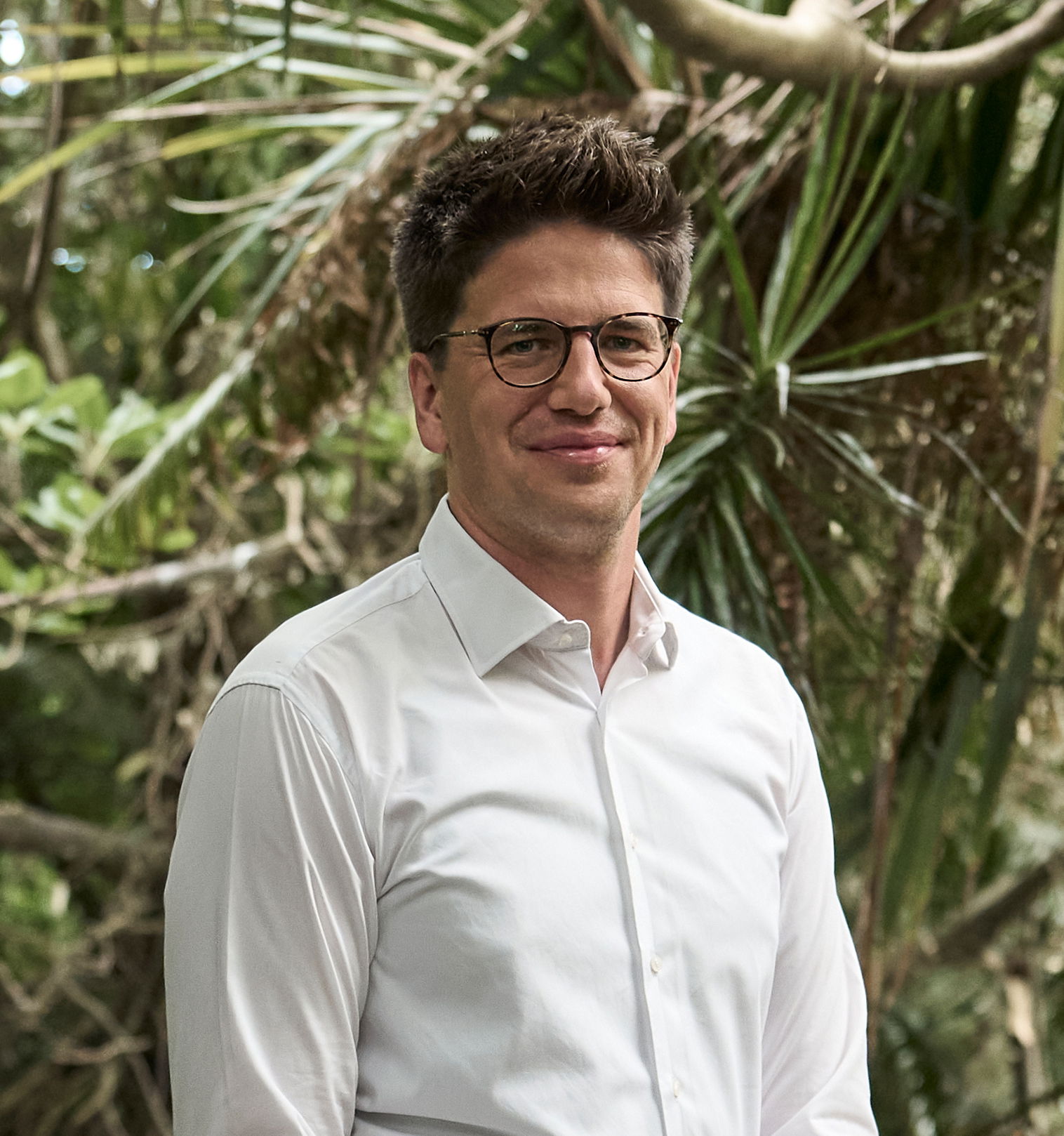
Photo: Zoo Zurich, Claudio Thoma.
The text above first appeared in the column “Zoogeschichten” by Severin Dressen.
You can help
Please support us with your donation to help build the groundbreaking new Ndoki Forest habitat. Your donation will go entirely toward the project, and you can claim it as a tax deduction.