20.09.2026 — Artenschutz
First gorilla offspring
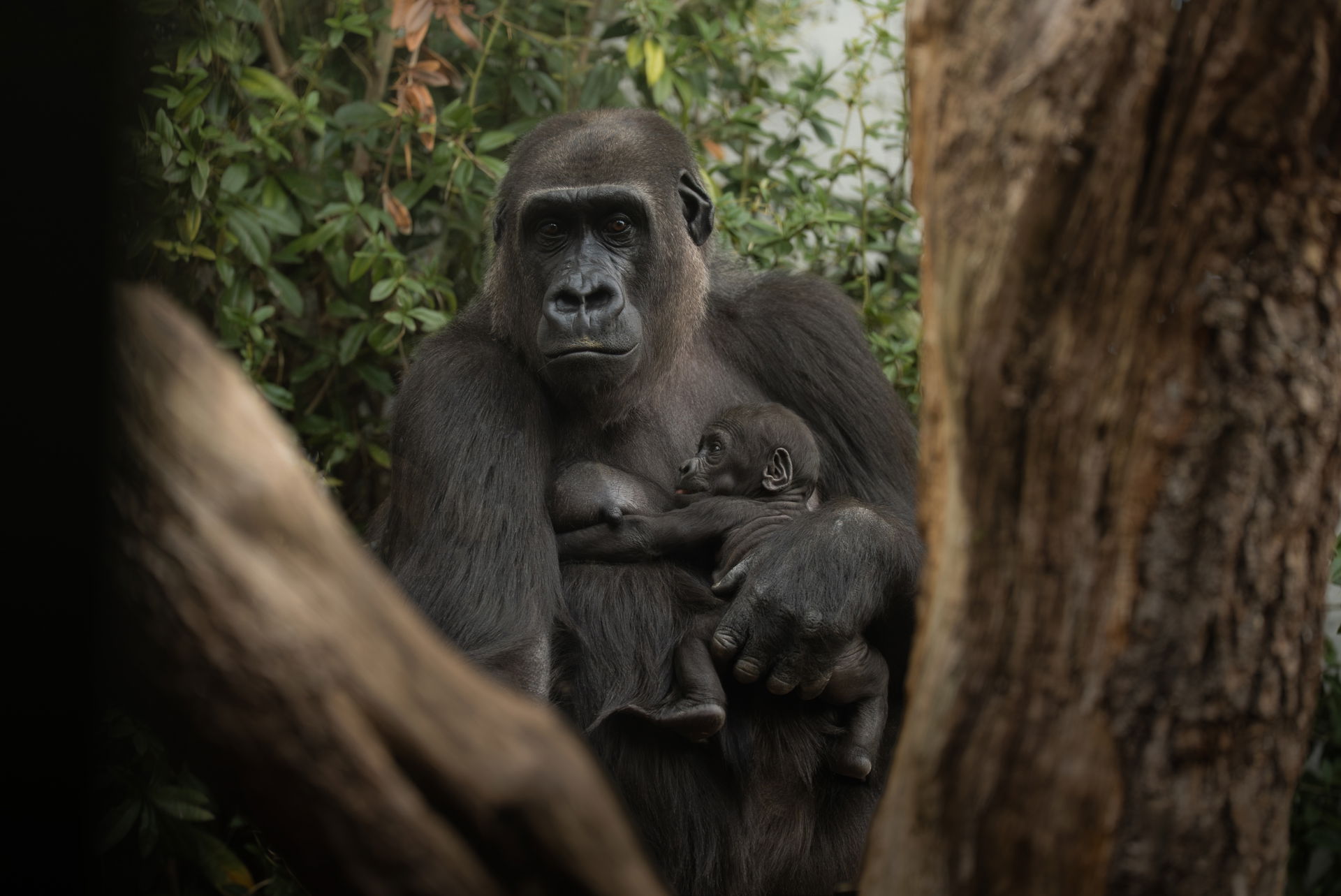
A baby gorilla has been born for the first time in our new gorilla group. The female has been named Amata and is being cared for wonderfully by her mother, Mayumi, and the rest of the gorilla group.
On July 27, 2026, the female gorilla Mayumi gave birth to a baby. It is her first offspring. The birth went smoothly, and Amata was able to drink her first milk shortly afterward. The father is the male gorilla Bwana.
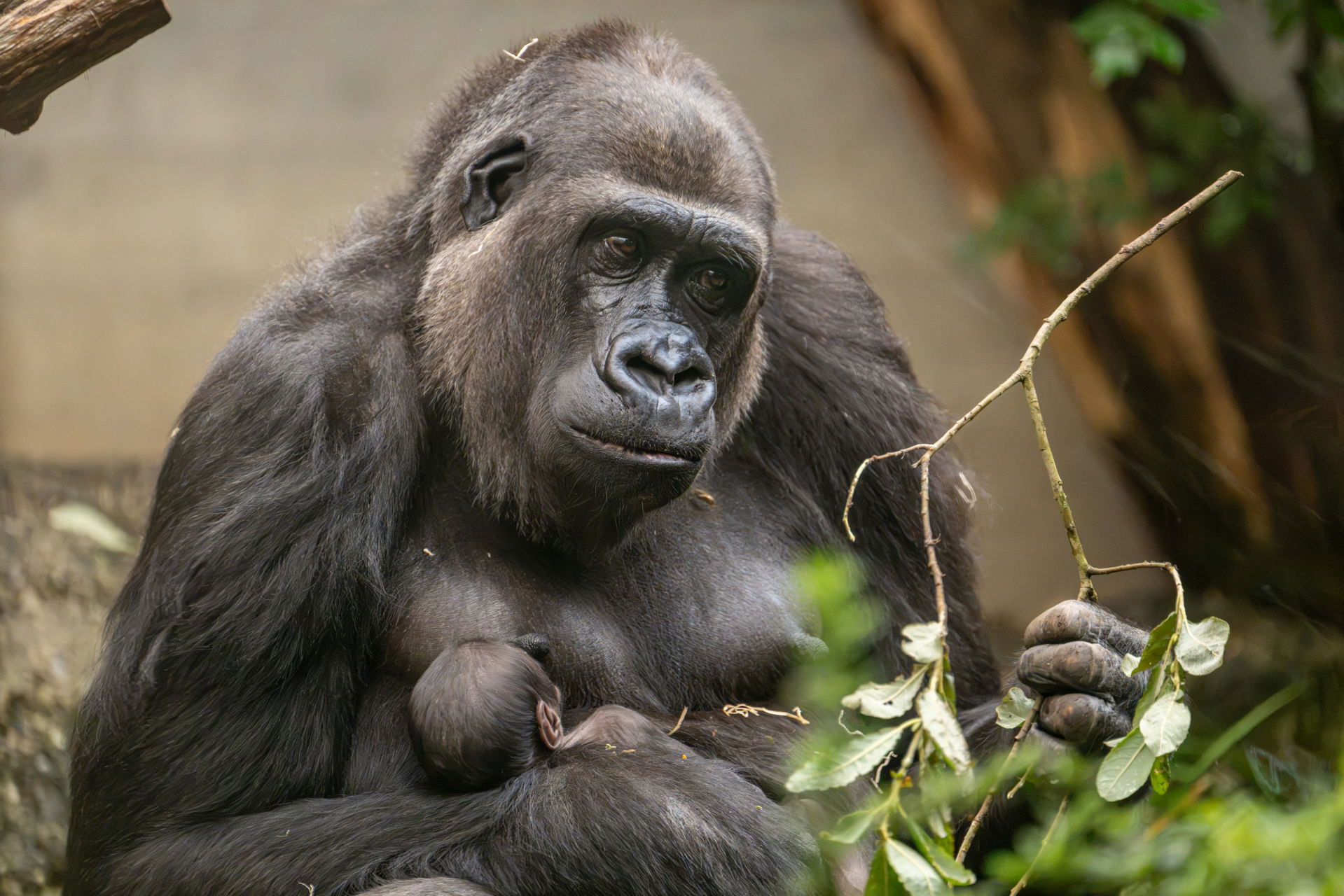
Amata nursing from her mother Mayumi. Image: Zoo Zurich, Fabio Süess
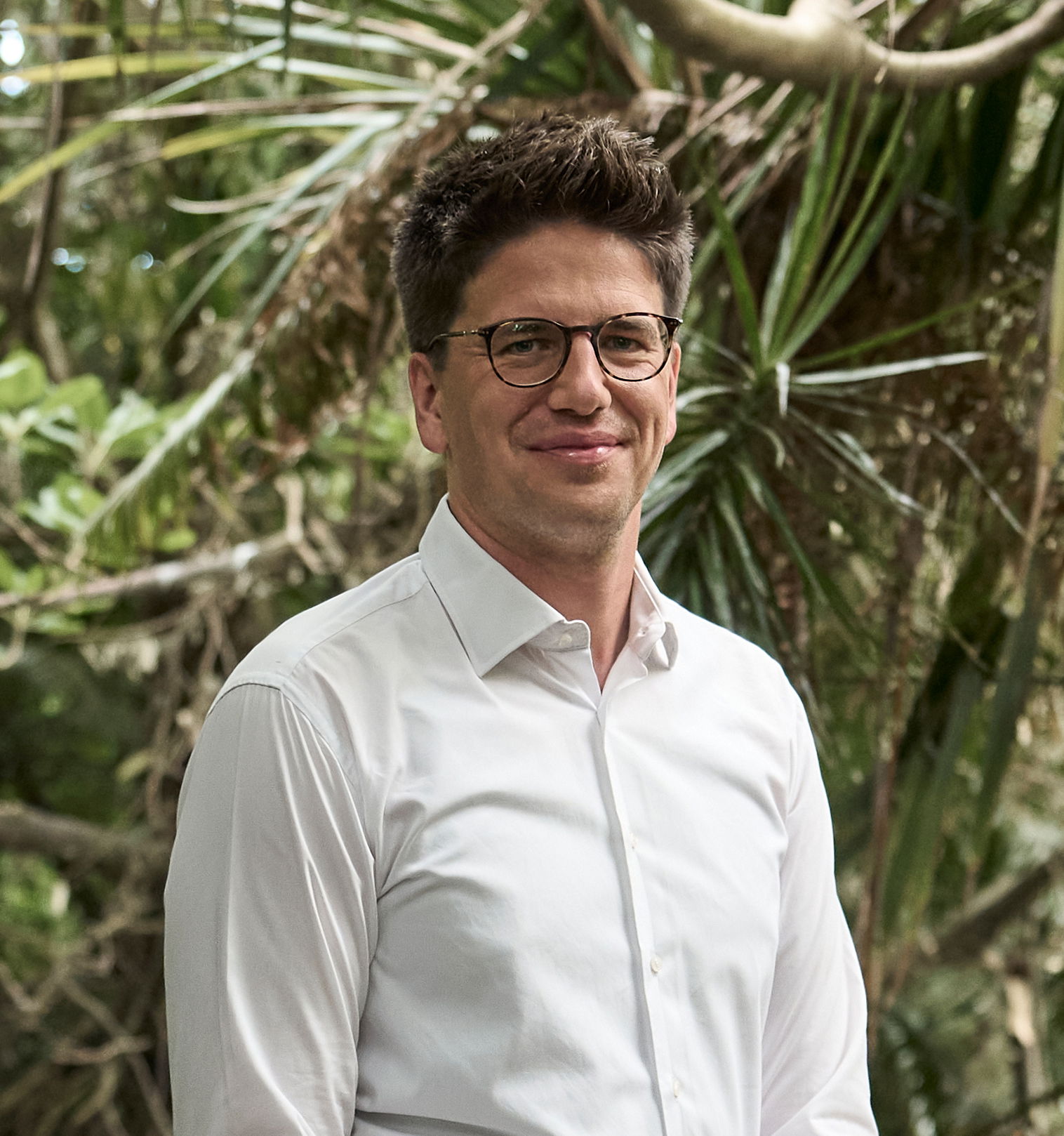
“We’re delighted about the successful birth,” says zoo director Severin Dressen, but he also points out: “The first few weeks of life are always the most critical.” Amata is now two months old and developing well.
«We are delighted about the birth!»
Mother Mayumi is handling her new role with flying colors. She always keeps Amata close to her and protects her from the other gorillas’ excessive curiosity. Looking is allowed, but touching isn’t—yet. The entire group sticks to this rule.
Father Bwana also takes his role as protector seriously. As befits a silverback, he always keeps a watchful eye on the mother and her young.
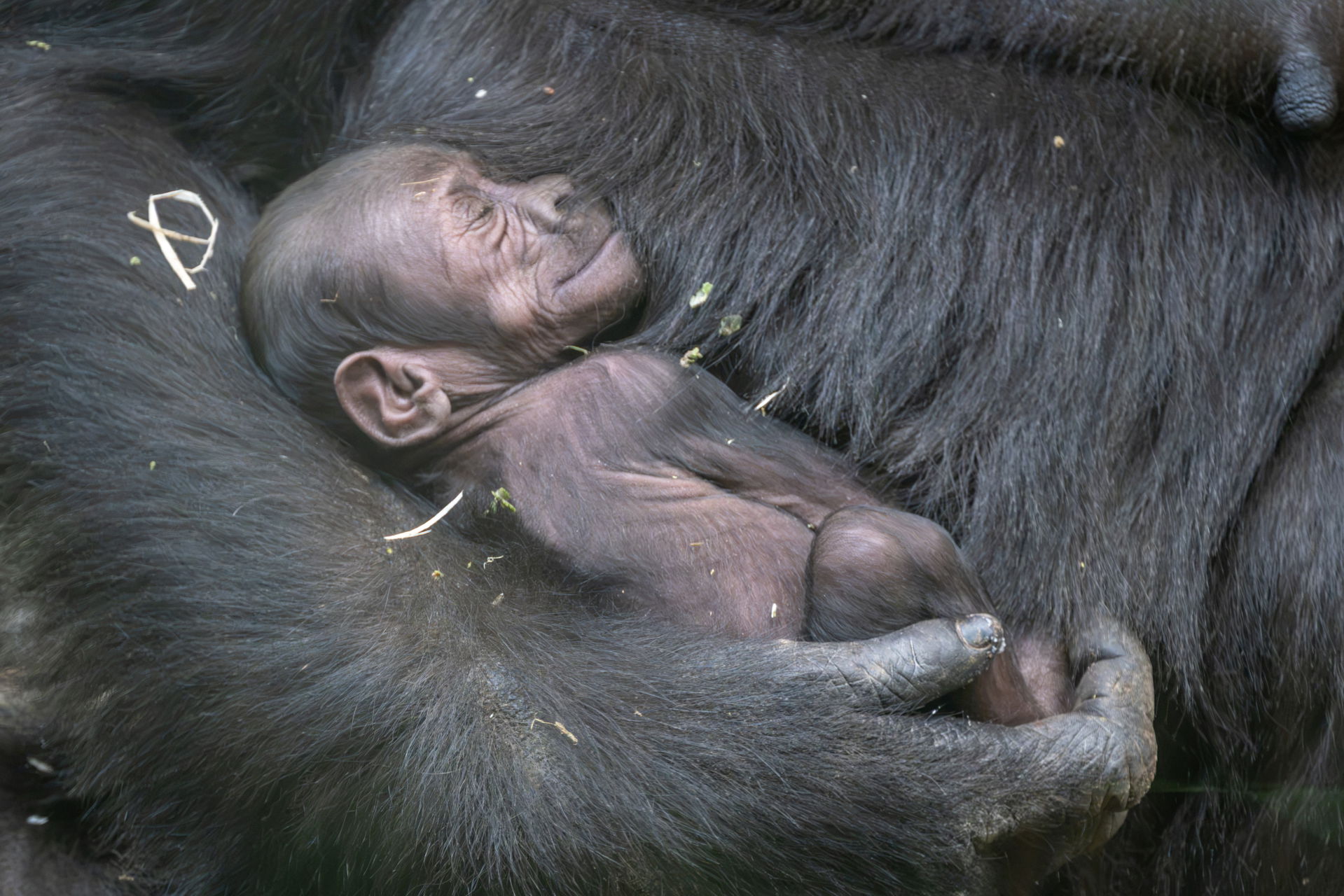
Safe and protected: Amata in the sheltering arms of her mother Mayumi. Image: Zoo Zurich, Fabio Süess
New Gorilla Group
We reorganized our gorilla group last year. Along with the silverback, three new females also arrived in Zurich at that time. Of the members of the former gorilla group, only the female Haiba joined the new group.
All animals have a breeding recommendation under the European Endangered Species Breeding Program (EEP) and can thus contribute to the conservation of the Western lowland gorillas, which are threatened with extinction.
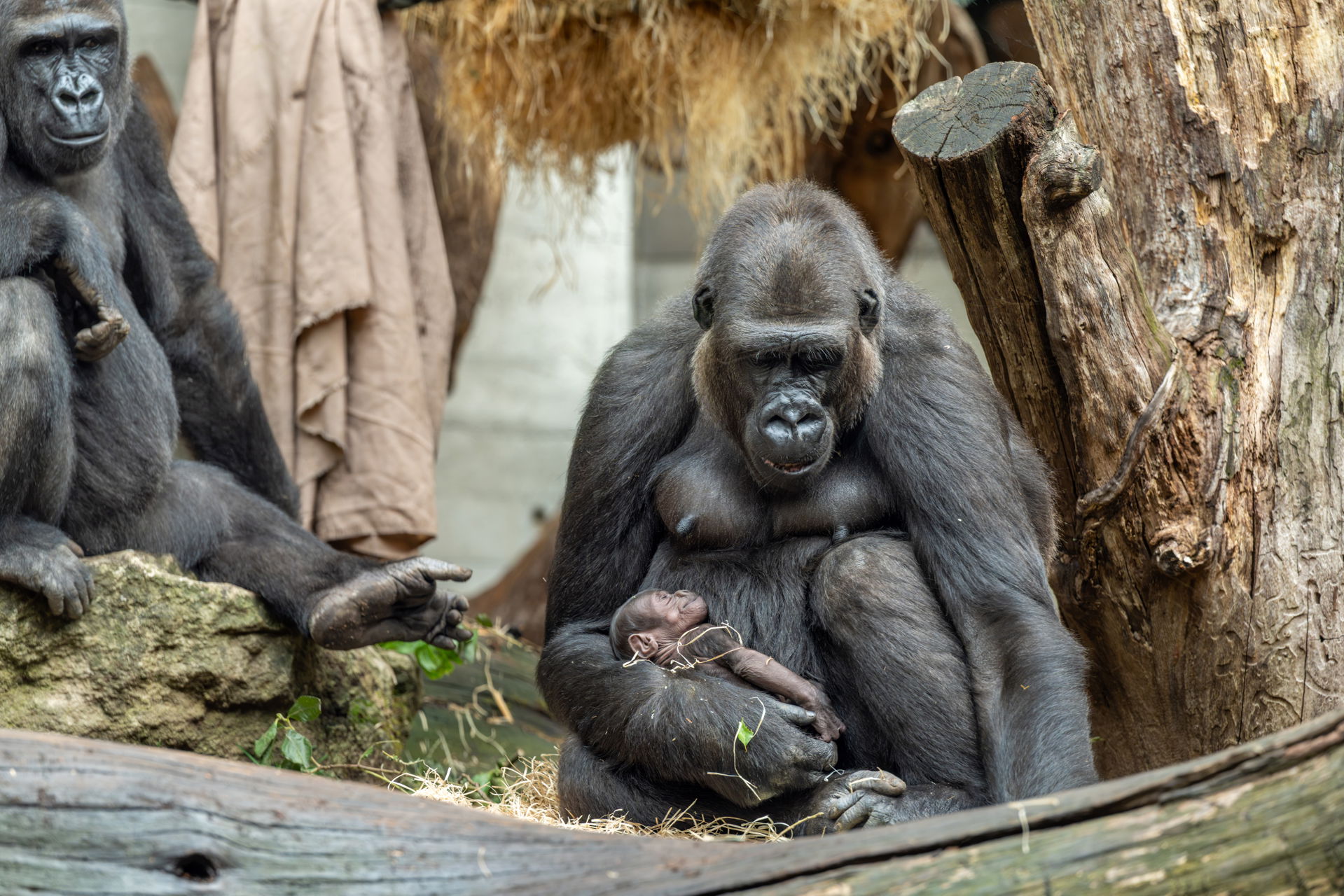
Mayumi is taking exemplary care of Amata. Image: Zoo Zurich, Fabio Süess
Holistic Species Conservation
The Western lowland gorilla (Gorilla gorilla gorilla) is under severe pressure in the wild. Habitat loss, political conflicts, hunting for bushmeat, and diseases such as Ebola are taking their toll. According to current estimates, there are at most 300,000 gorillas left in the wild—that’s fewer than the number of residents in the city of Zurich. And the population continues to decline. Our action is therefore more urgent than ever.
We work in four major areas to protect gorillas and their natural habitats:
With our gorillas, we participate in the conservation breeding program of European zoos.
we raise awareness among our guests about the threats to the species and its conservation.
With our gorilla group, we are part of research projects—current examples include a behavioral study on their cognitive abilities and research into their digestive biology.
we are working on the planned construction of the Ndoki Forest, the new habitat for the western lowland gorilla and other endangered and threatened animal species, we are also conservation efforts on the ground as well.
The synergy among all four areas ensures the best possible protection for the gorillas and their habitats. We call this conservation concept the One Plan Approach.
- Education
- Research
- Species Conservation
 HabitatsWe protect nature – locally and globally
Nature Conservation in the Republic of the Congo
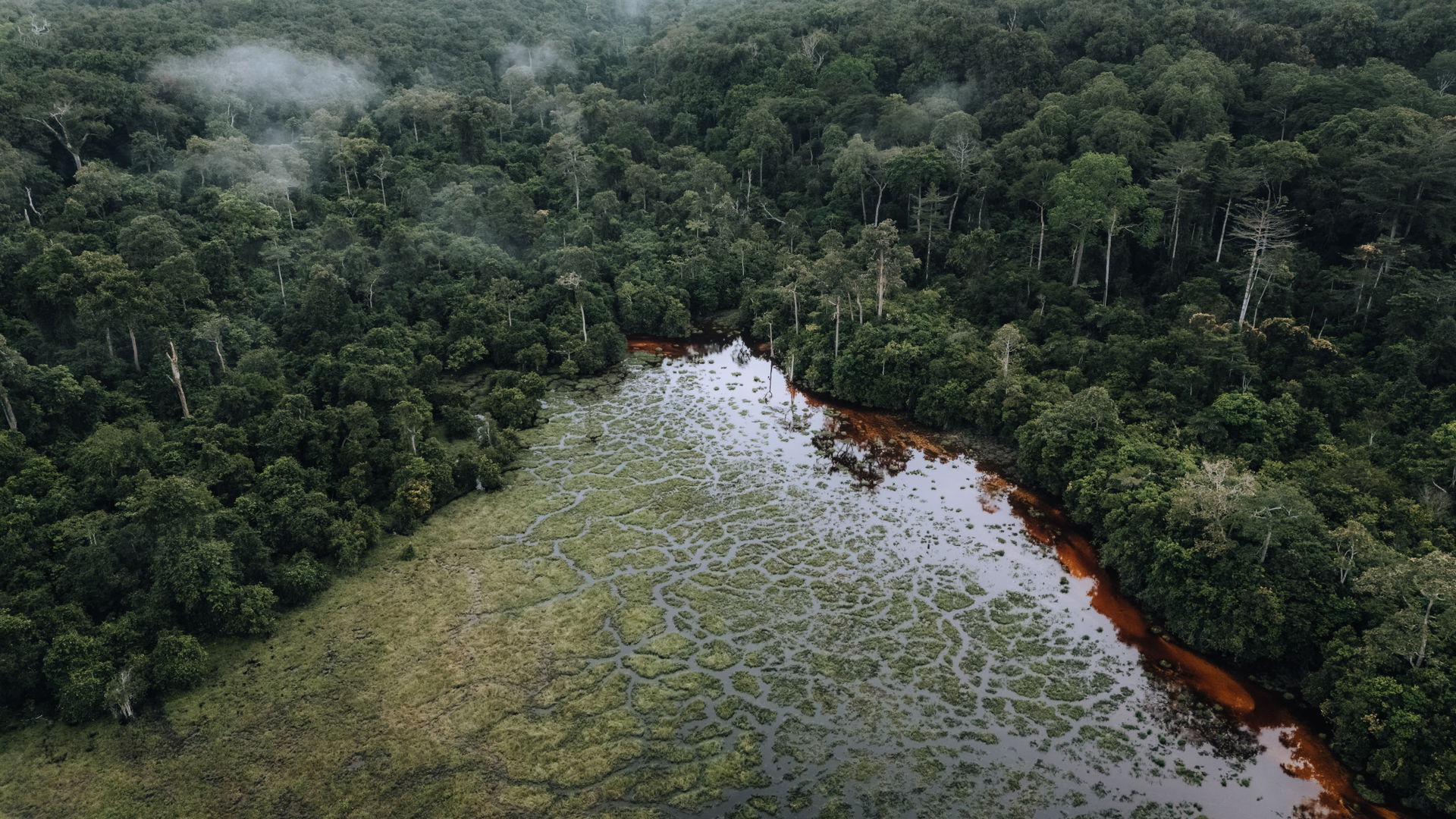
The model for our future Ndoki Forest is the Nouabalé-Ndoki National Park in the Republic of the Congo. The national park is a nature reserve covering just over 4,000 square kilometers in the Congo Basin. It is characterized by a largely untouched rainforest and is one of the most important refuges for the western lowland gorilla as well as numerous other endangered species.
With our ninth Ndoki Conservation Project, we are committed to preserving this important habitat in collaboration with our local project partner, the Wildlife Conservation Society Congo.
United by a name
Our conservation partner WCS Congo also helped us choose a name for the baby gorilla. “Amata” comes from Lingala, a language spoken in the Republic of the Congo, and means “she who loves to climb”.
As a sign of solidarity in our shared goal and cooperation to protect gorillas, the local team in the Congo compiled a list of local names for the baby gorilla in Zurich. From this list, the gorilla care team chose the name Amata.
Amata is therefore more than just the name of a baby gorilla. She embodies what Zoo Zurich stands for: holistic nature and species conservation across national borders.

Amata’s name represents reconnecting what belongs together. Image: Zoo Zurich, Enzo Franchini