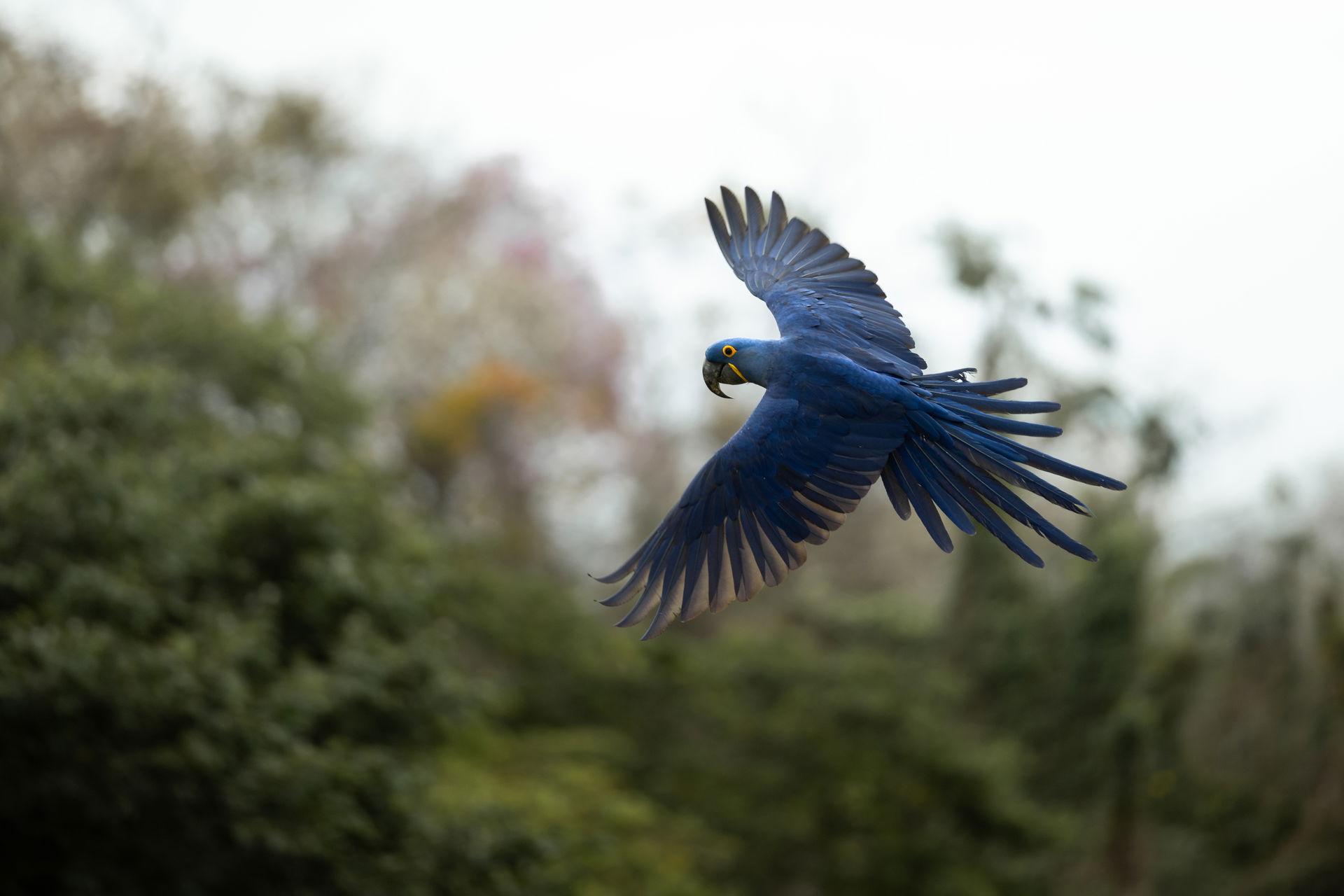

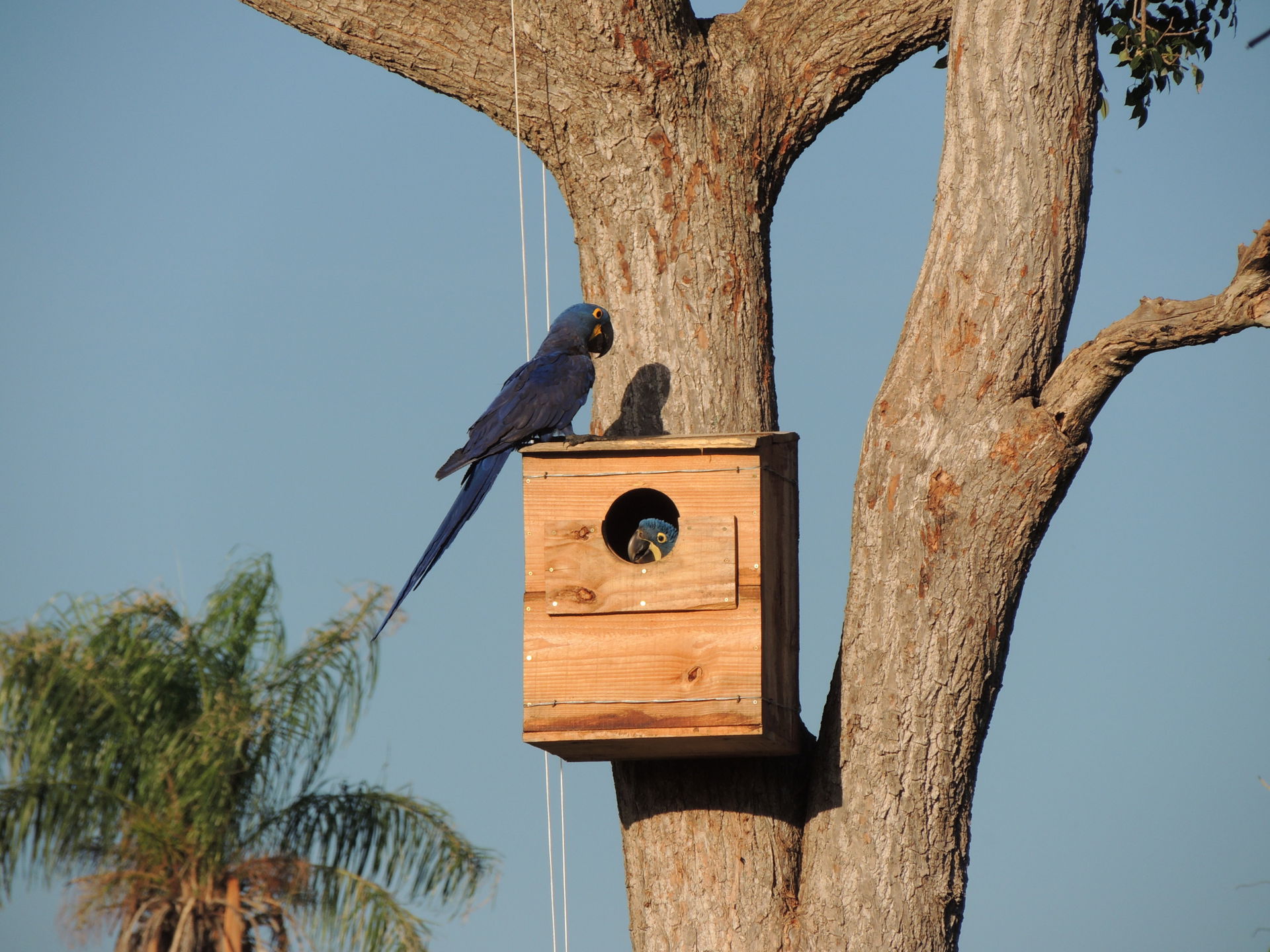
Hyazinthara (Anodorhynchus hyacinthinus) im Pantanal-Feuchtgebiet in Brasilien.

Conservation project in the field

Pantanal

In the South American Pantanal, the world's largest wetland, we are working to protect the iconic hyacinth macaws. We have already provided them with 300 nests.

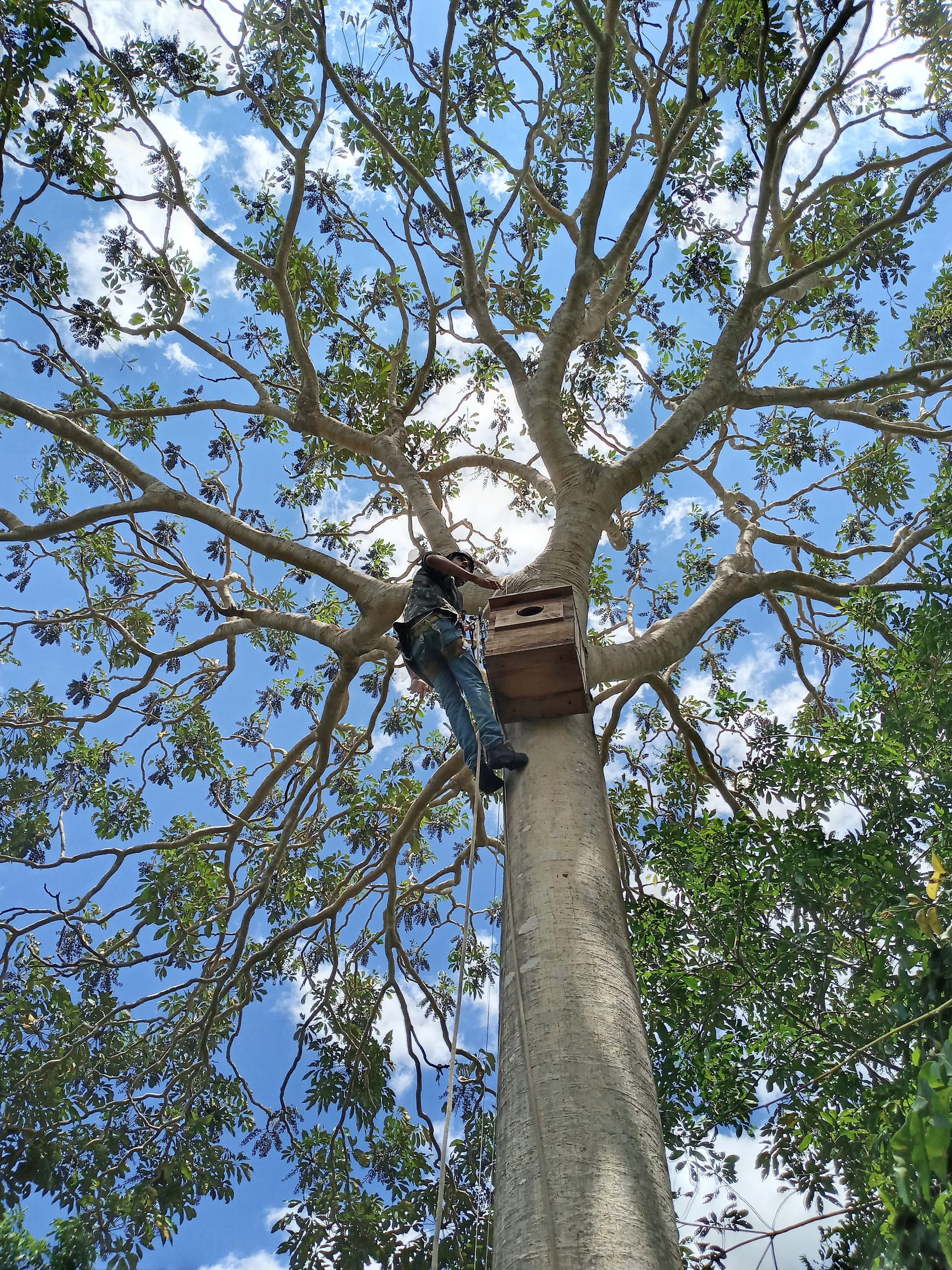
We monitor and maintain the nesting aids at dizzying heights. The result: The population of wild hyacinth macaws is slowly rebounding.

Our local team

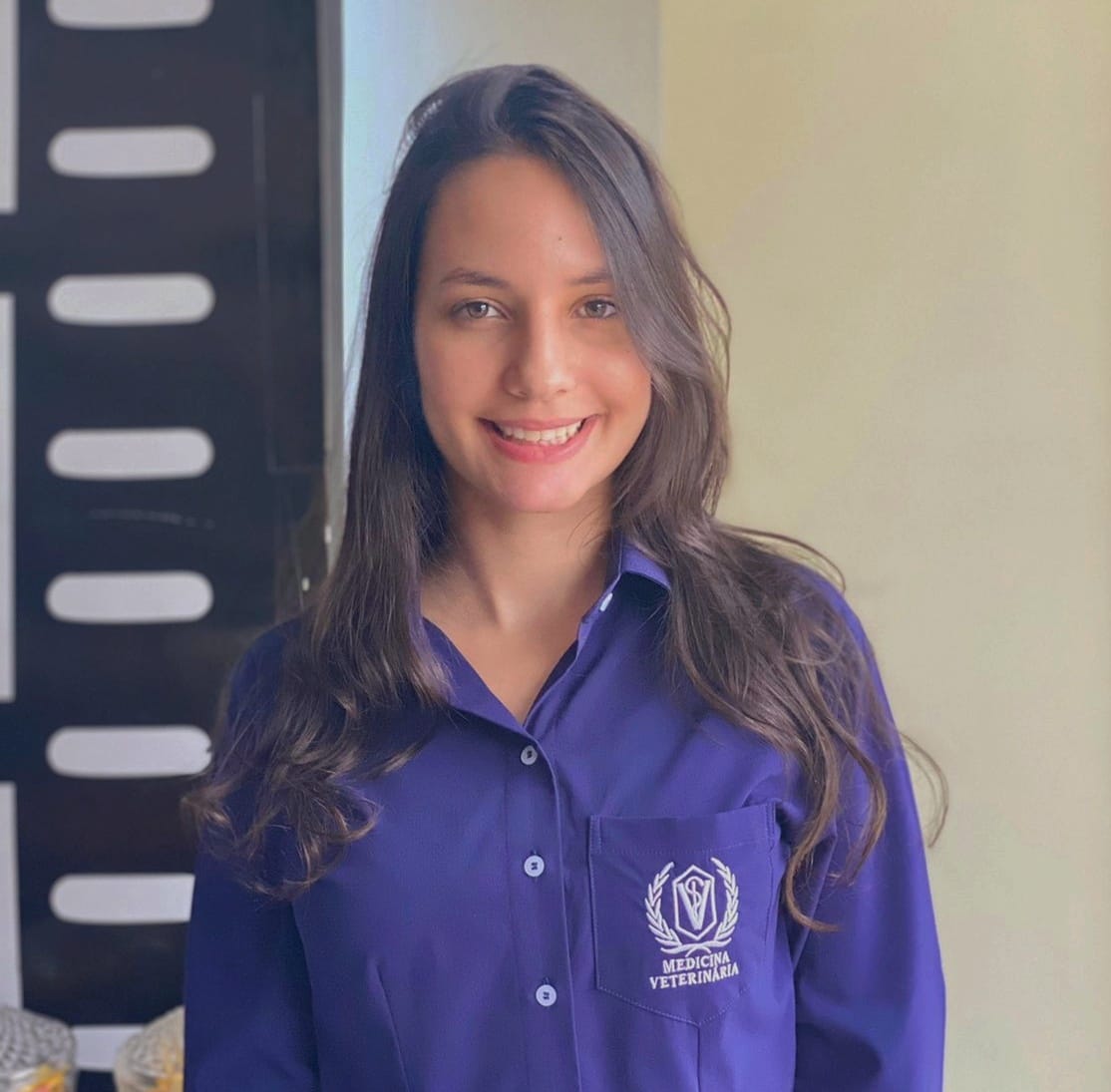
  • Maria Eduarda, Mitarbeiterin im Artenschutz und in der Umweltbildung beim Instituto Arara Azul und Naturschutzbotschafterin des Zoo Zürich.

    Maria Eduarda Monteiro Nascimento

    Veterinarian and Research Associate at the Pantanal Conservation Project

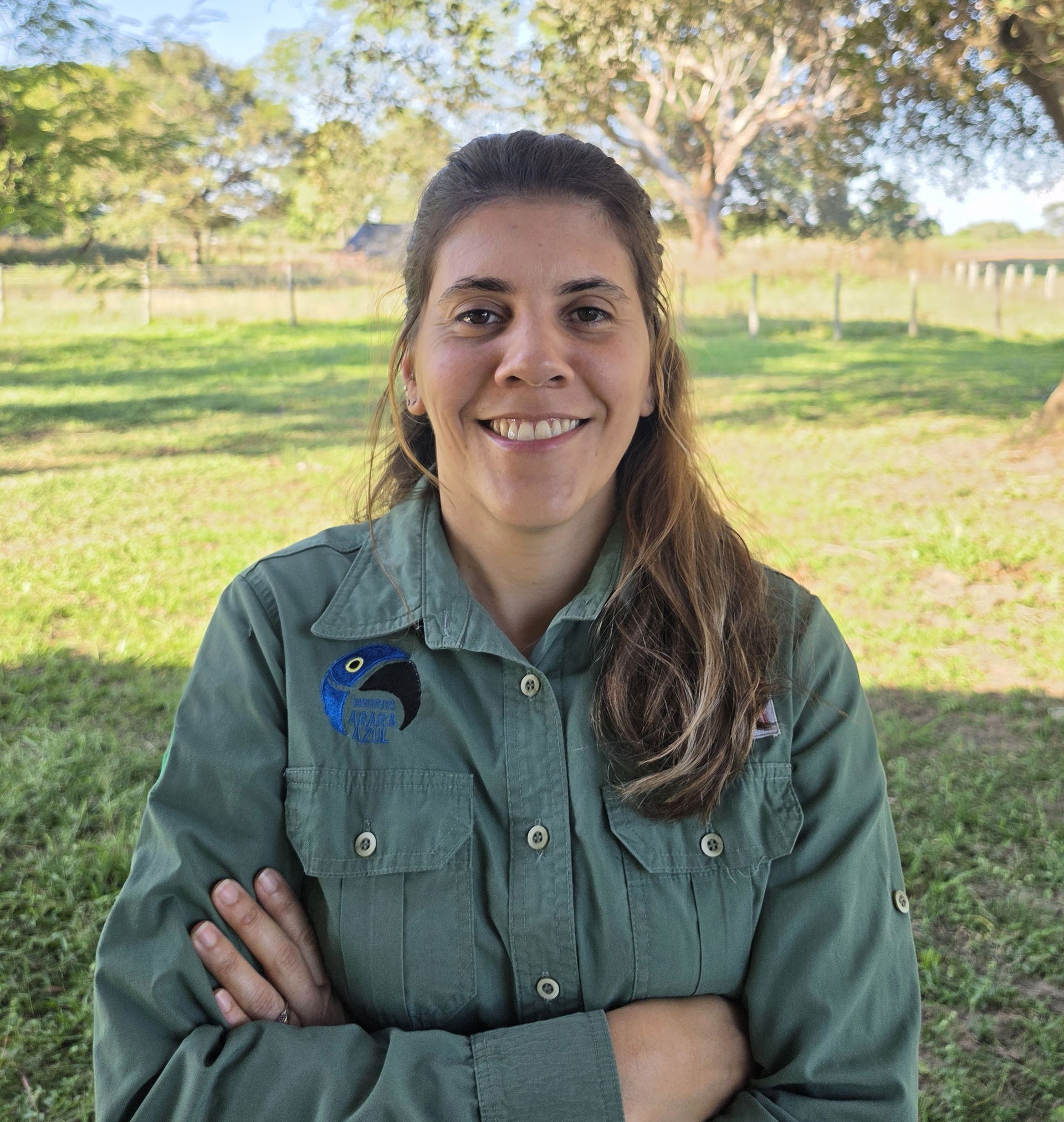
  • Naturschutzbotschafter Ana Cecília Lourenço

    Ana Cecília Lourenço

    Biologist in the Pantanal Nature Conservation Project

An Icon in Jeopardy

The hyacinth macaw, with its bright blue plumage, is the rock star of the parrot world. At about one meter in length, it is also the largest parrot in South America. But it is becoming increasingly rare due to the destruction of its habitat and poaching for the illegal trade. Through our Pantanal conservation project, we aim to protect it.

Two places, one goal

The Pantanal conservation project is closely linked to our Pantanal wetland habitat. Its construction is financed through donations. Help us make it possible—we promise that every franc donated goes entirely to the project.

Explore and Protect

Biologist Neiva Guedes launched the “Arara Azul” project more than 30 years ago to combat the decline of the hyacinth macaw in the Pantanal. Arara Azul operates on three levels: The project conducts research on the macaws, advocates for the long-term protection of the parrots, and works to protect their habitat. This also includes an educational program for the local population to gain the broadest possible support.

Hyazintharas (Anodorhynchus hyacinthinus) in und auf einem Nistkasten im brasilianischen Pantanal. Ein Projekt des Instituto Arara Azul in Kooperation mit WCS Brasilien.

Wooden boxes mounted on trees provide nesting assistance for hyacinth macaws after devastating fires. Image: Instituto Arara Azul, Ana Cecília Lourenço

Project facts
  • 2020

    we began our involvement in Brazil.

  • 660,000

    CHF in direct contributions have been made possible for the project to date.

  • 1275

    wild hyacinth macaws were counted by Arara Azul on the first International Hyacinth Macaw Day.

  • Two places, one goal

    Pantanal wetland habitat at the Zoo

    Soon you’ll be able to experience the animals and plants of the South American wetland right here at our zoo: We’re building the Pantanal Wetland Habitat. After all, our Pantanal and the Pantanal Conservation Project go hand in hand.

    Baustelle für das Pantanal Feuchtgebiet im Zoo Zürich.

    Our Work in the Pantanal

    We launched the Pantanal Nature Conservation Project in 2020. It is a collaboration with the Instituto Arara Azul.

    Ein Teammitglied von Arara Azul montiert einen Nistkasten für Hyazintharas in schwindelnder Höhe.

    A job for those with a head for heights: the nesting boxes are installed and monitored high above the ground. Image: Instituto Arara Azul

    Assistance After Fires

    Following the largest fires ever recorded in South America's Pantanal in 2019, the endangered hyacinth macaws were in urgent need of help. This was because many of their nesting trees had been destroyed by the fires.

    The Arara Azul team installed artificial nesting aids in the form of wooden boxes on trees that had been left standing. We provided financial support for this effort.

    The birds quickly took to the nest boxes; as a result, the youngest generation of hyacinth macaws was able to grow up well protected.

    Your donation to the Pantanal wetland

    FundraisingBox Logo

    Frequently asked questions about donations

    • Education
    • Research
    • Species Conservation
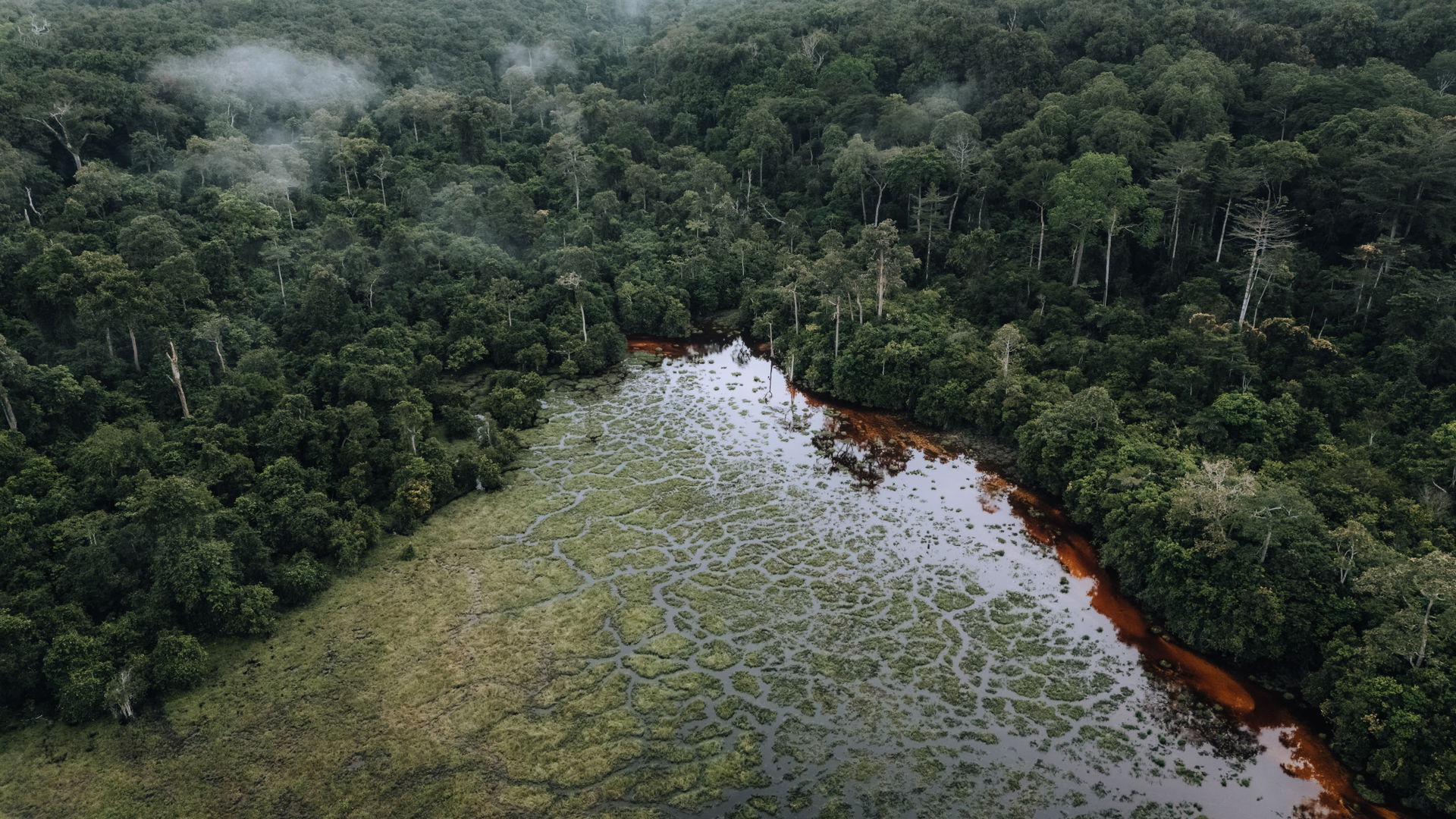
    • Blick aus der Luft auf einen Teil des Nouabalé-Ndoki-Nationalparks (NNNP) im Kongo.HabitatsWe protect nature – locally and globally
    Back to overview