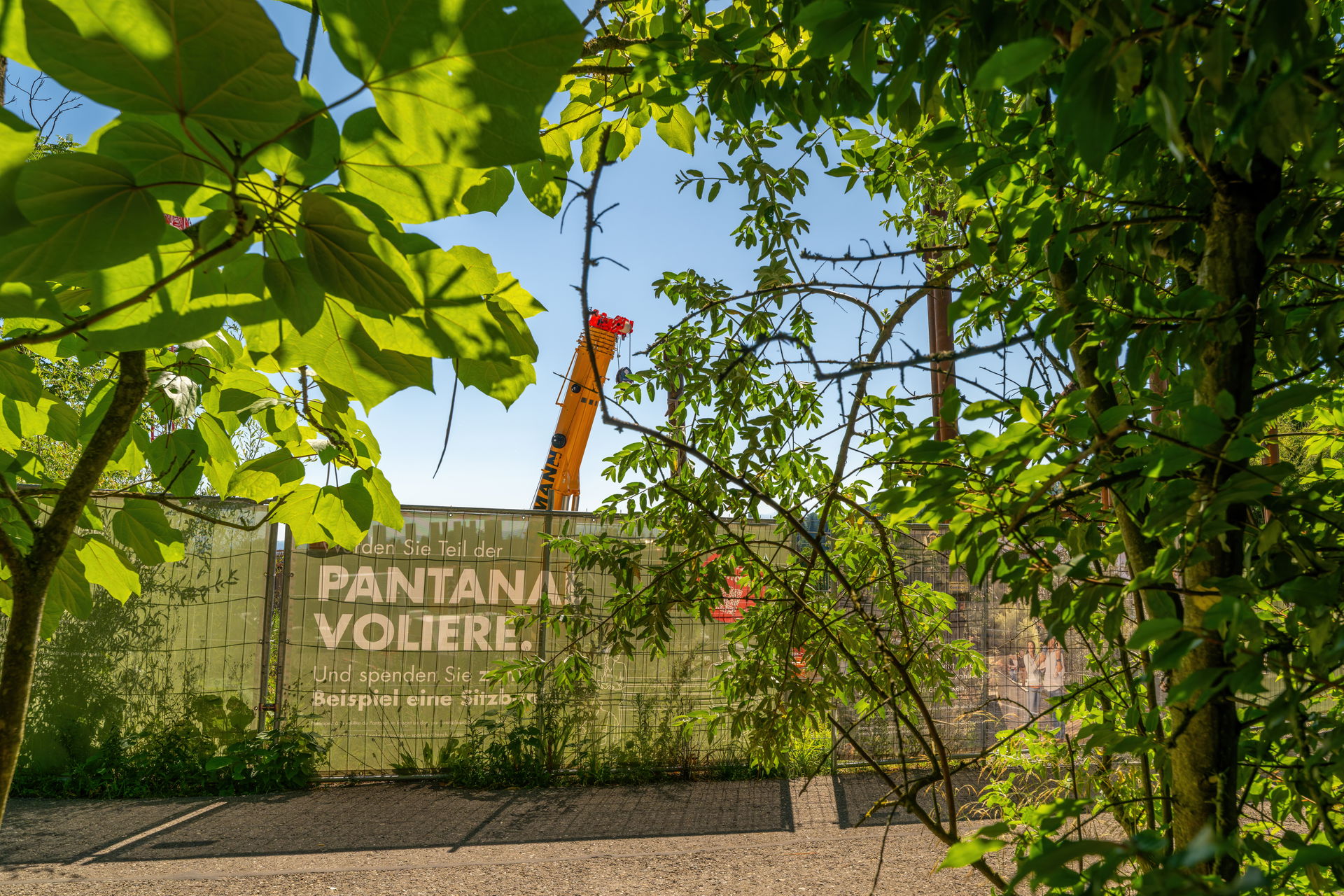
Habitat at the Zoo
Pantanal Wetlands
Right in the middle of the zoo, we are building our next major habitat: the Pantanal Wetland. It will set new standards in animal care and is linked to the Pantanal nature conservation project in Brazil.
Flocks of birds in the sky. Dense gallery forests, interspersed with flooded grasslands. A waterfall splashes... Welcome to the Pantanal Wetlands exhibit at the zoo!
Virtual tour
Birds in flight, tapirs grazing: in the Pantanal Wetlands, the animals share one common habitat.
Water is a central element in the Pantanal Wetlands – both in nature and in our planned habitat.
Up high: an observation tower brings you closer to the flocks of birds in flight.
Spotting animals amid dense greenery is also part of the Pantanal Wetlands experience.
Wet feet: the Pantanal Wetlands are regularly flooded, just as they are in nature. Visualisations: Region Five Media
An Endangered Natural Gem
The South American Pantanal is one of the largest wetlands in the world—about six times the size of Switzerland. Its landscape changes completely from the dry season to the rainy season: During the rainy months, large parts of the area are flooded. It thus provides a vital habitat for countless animals and plants. This unique landscape and many of the animal species living there are seriously threatened by ongoing destruction.
«With the Pantanal Wetlands at the Zoo, we are creating a bridge to this unique habitat in South America.»

Pantanal animals
Hyacinth macaw. Image: WCS Brazil, Carlos Durigan
Golden lion tamarin. Image: Zoo Zurich, Enzo Franchini
Chilean flamingo. Image: Zoo Zurich, Enzo Franchin
Lowland tapir. Image: Zoo Zurich, Enzo Franchini
Sun conure. Image: Zoo Zurich, Enzo Franchini
Black tufted-ear marmoset. Image: Zoo Zurich, Peter Bolliger
Red-tailed amazon. Image: Zoo Zurich, Enzo Franchin
Giant anteater. Image: Zoo Zurich, Enzo Franchini
Get involved
Please support us with your donation to help build this groundbreaking new habitat. Your donation will go entirely toward the project, and you can claim it as a tax deduction.

Project news
Show all
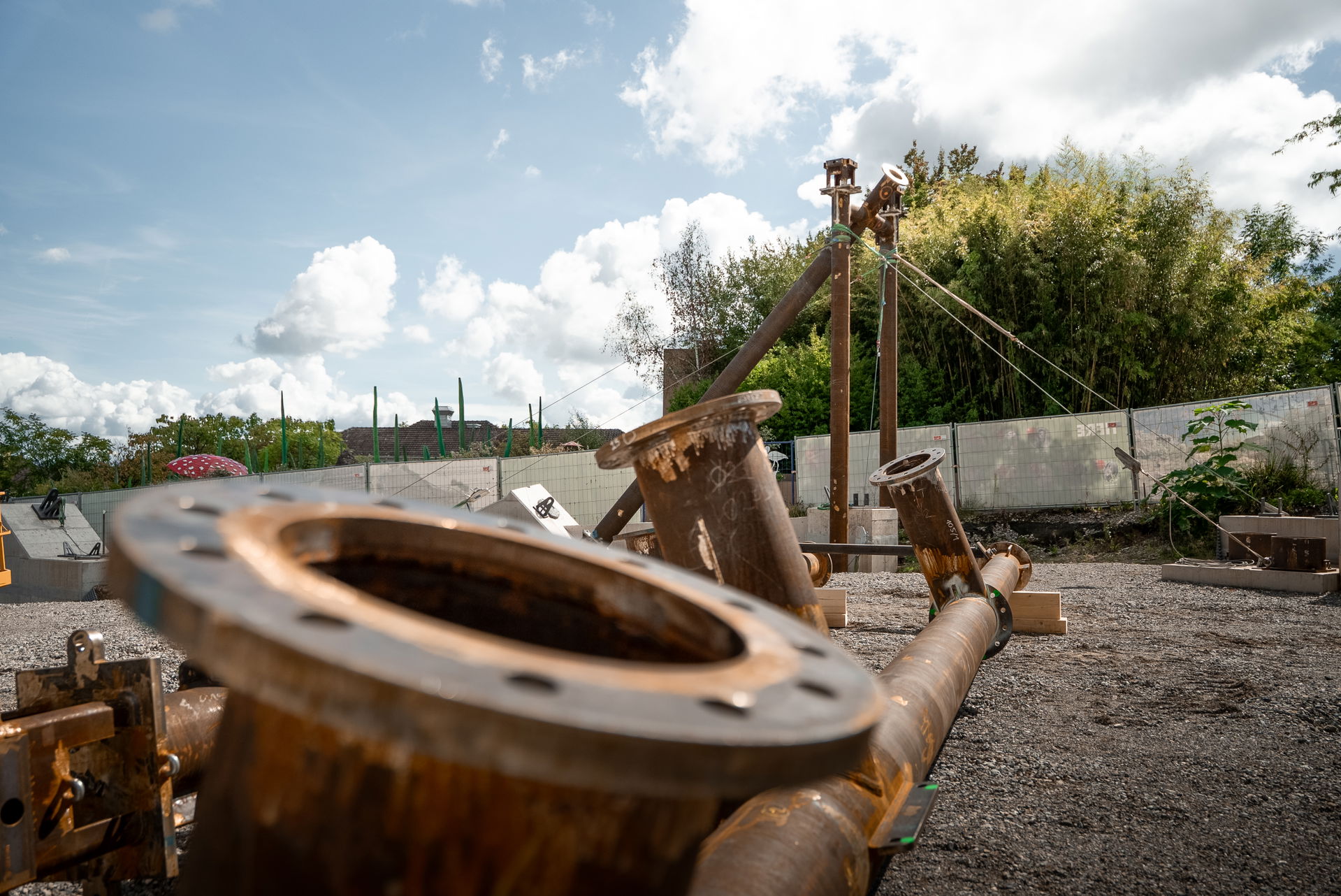
Project facts
11,000
square metres will be the size of the Pantanal Wetlands.
35
metres will be the aviary’s height at its highest point.
10
supporting arches will span the aviary net without any columns.
13,500
square metres will be the surface area of the aviary net.
Your Own Piece of the Pantanal Wetlands
For the Pantanal Wetlands You can donate to the Pantanal Wetland —or fund a specific project within it. Our donations team will be happy to advise you.
Objects available for sponsorship
Tapir island, CHF 375,000. An island for lowland tapirs, which love to swim.
Living tree, CHF 30,000 to 50,000. Black walnut, walnut, dawn redwood, tupelo, bald cypress or suren tree.
Tree house, CHF 300,000. Exclusive location for drinks receptions.
Adventure walkway by the waterfall, CHF 65,000. Leads beneath the waterfall.
Visitor walkway by the waterfall, CHF 75,000. Leads over the water.
Small waterfall, CHF 90,000. Welcomes visitors with gentle splashing in the entrance area.
Entrance walkway, CHF 275,000. This is where visitors take their first steps into the habitat.
Artificial rock wall, CHF 325,000. An authentic backdrop.
Aviary net, CHF 99 per square metre. Almost invisible against the sky.
Supporting arch, CHF 400,000 to 1 million. Holds the net without columns.
Our thank-you
Please help out and secure your charity item.
Do you have any questions?
Your donation for the Pantanal Wetlands
