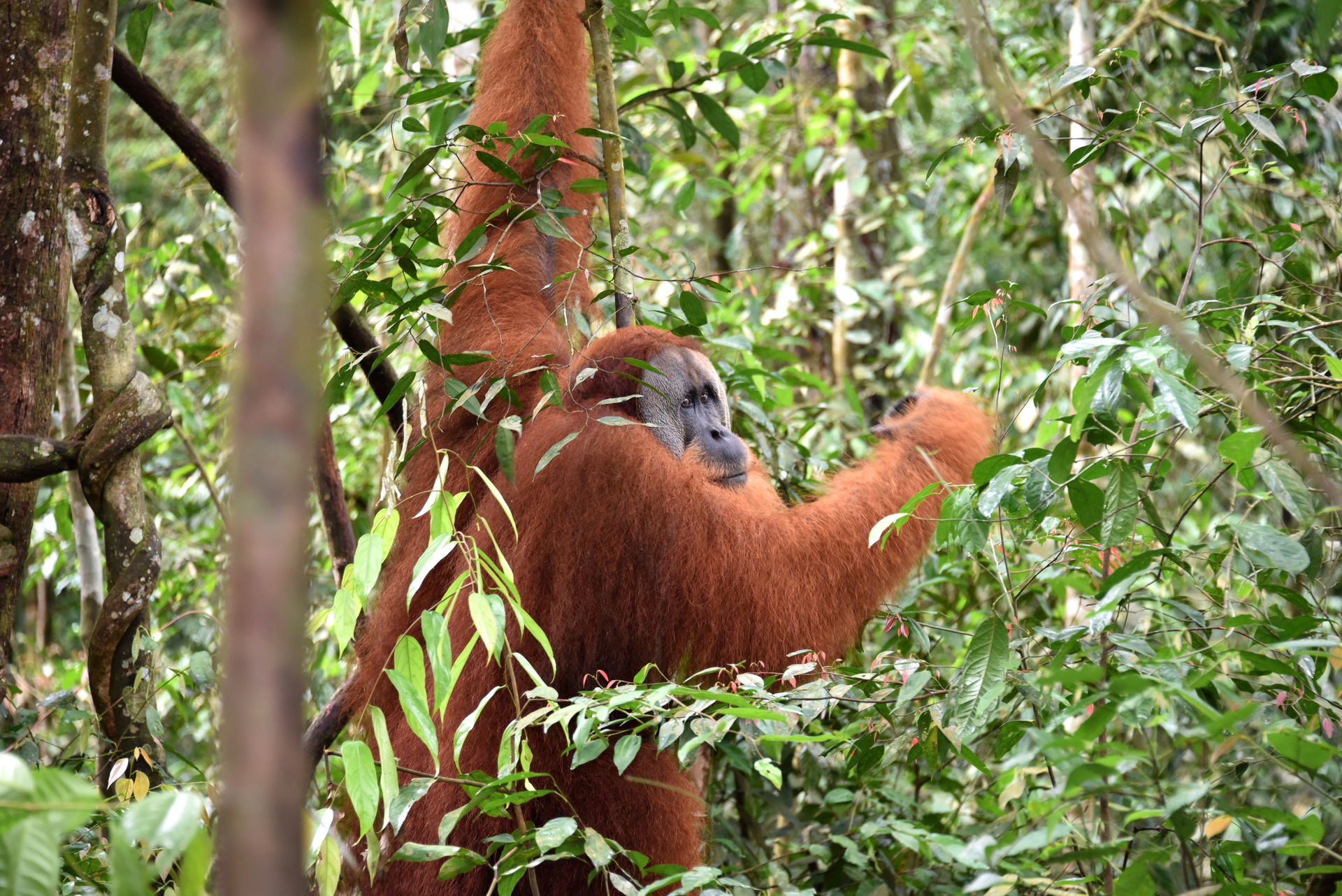

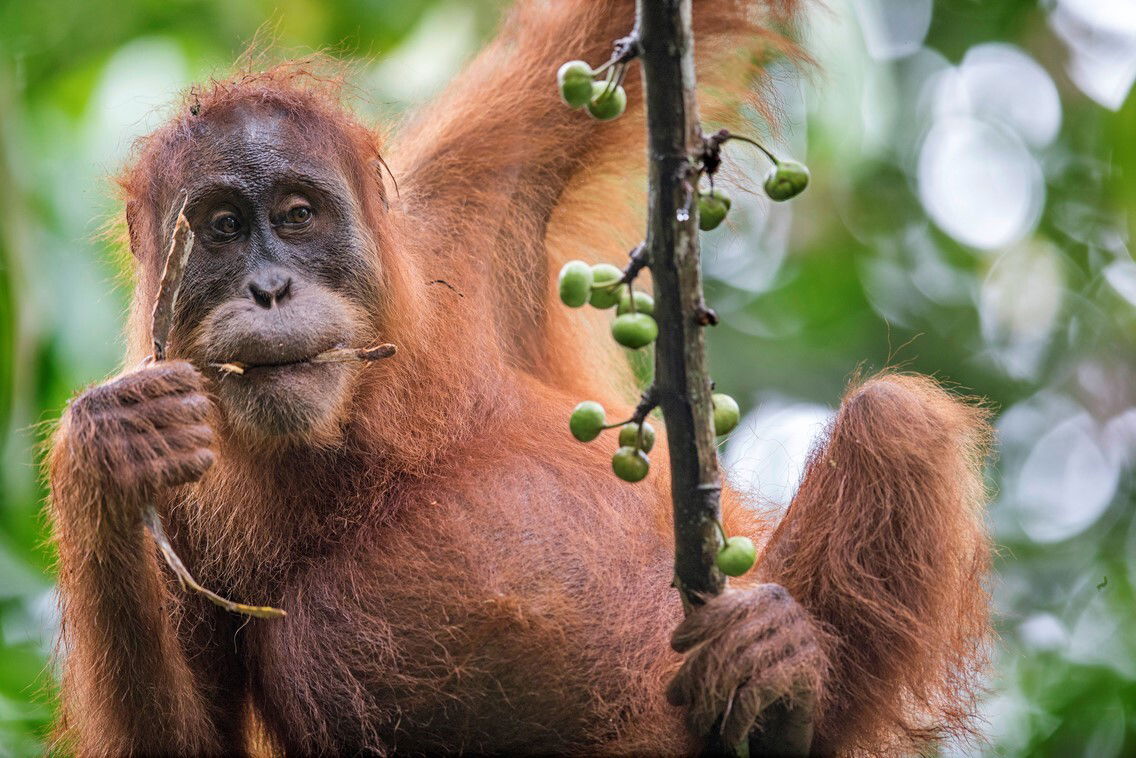
Sumatra-Orang-Utan (Pongo abelii) im Gunung-Leuser-Nationalpark auf Sumatra.

Conservation project in the field

Sumatra

The road back to the wild is a long one for the rescued orangutans on Sumatra. But it's worth it.

In our conservation project on Sumatra, we focus on nursing orphaned and injured orangutans back to health and, where possible, releasing them back into the wild. The goal is to establish two self-sustaining populations that will help preserve this endangered species. Research and public outreach efforts help preserve the orangutans’ habitat—the rainforests—on Sumatra.

Our local team

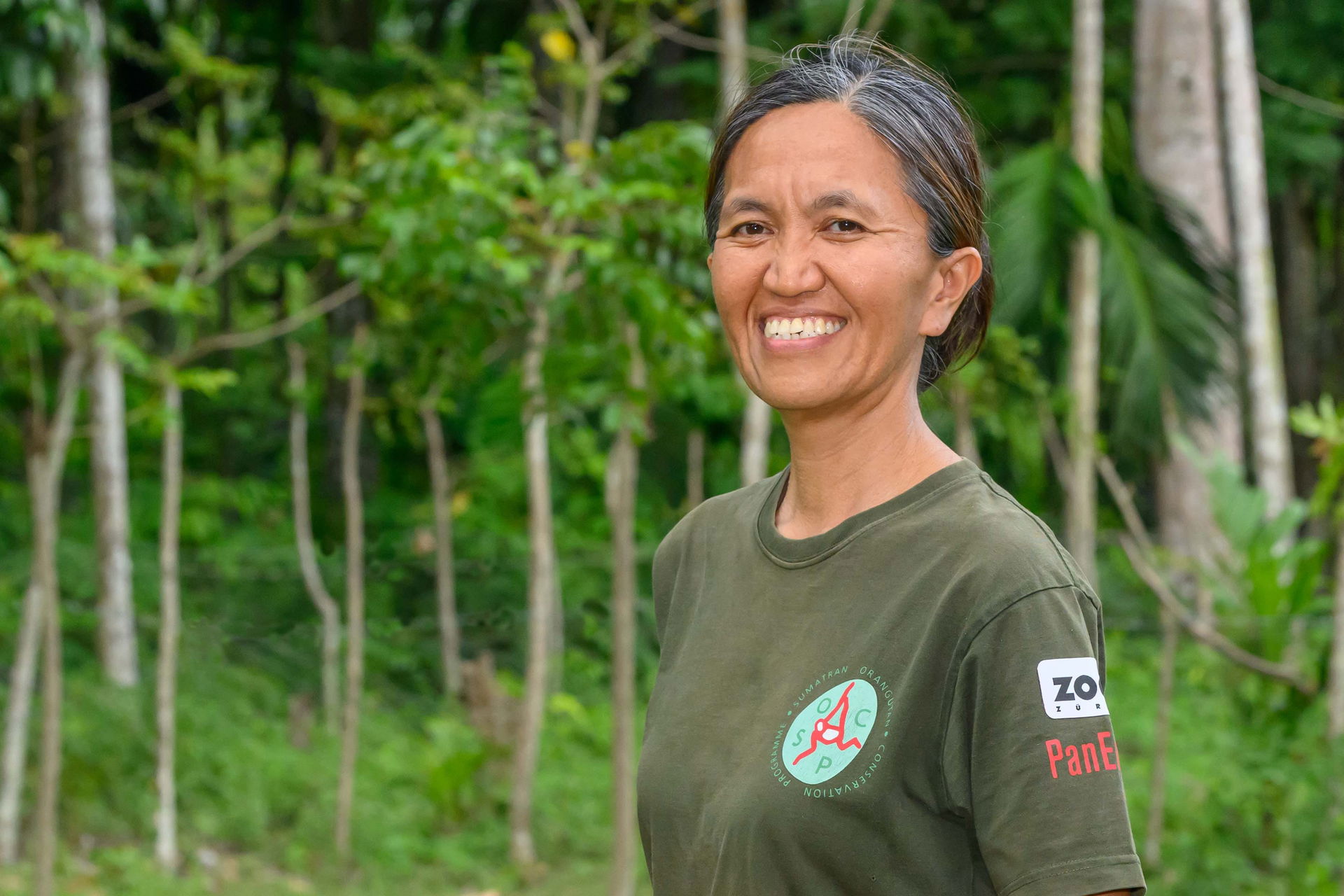
  • Citrakasasih «Citra», Leiterin der Division Ex-situ-Artenschutz beim Sumatran Orangutan Conservation Program SOCP und Naturschutzbotschafterin des Zoo Zürich.

    Citrakasih Nente

    Director at the Sumatra Conservation Project

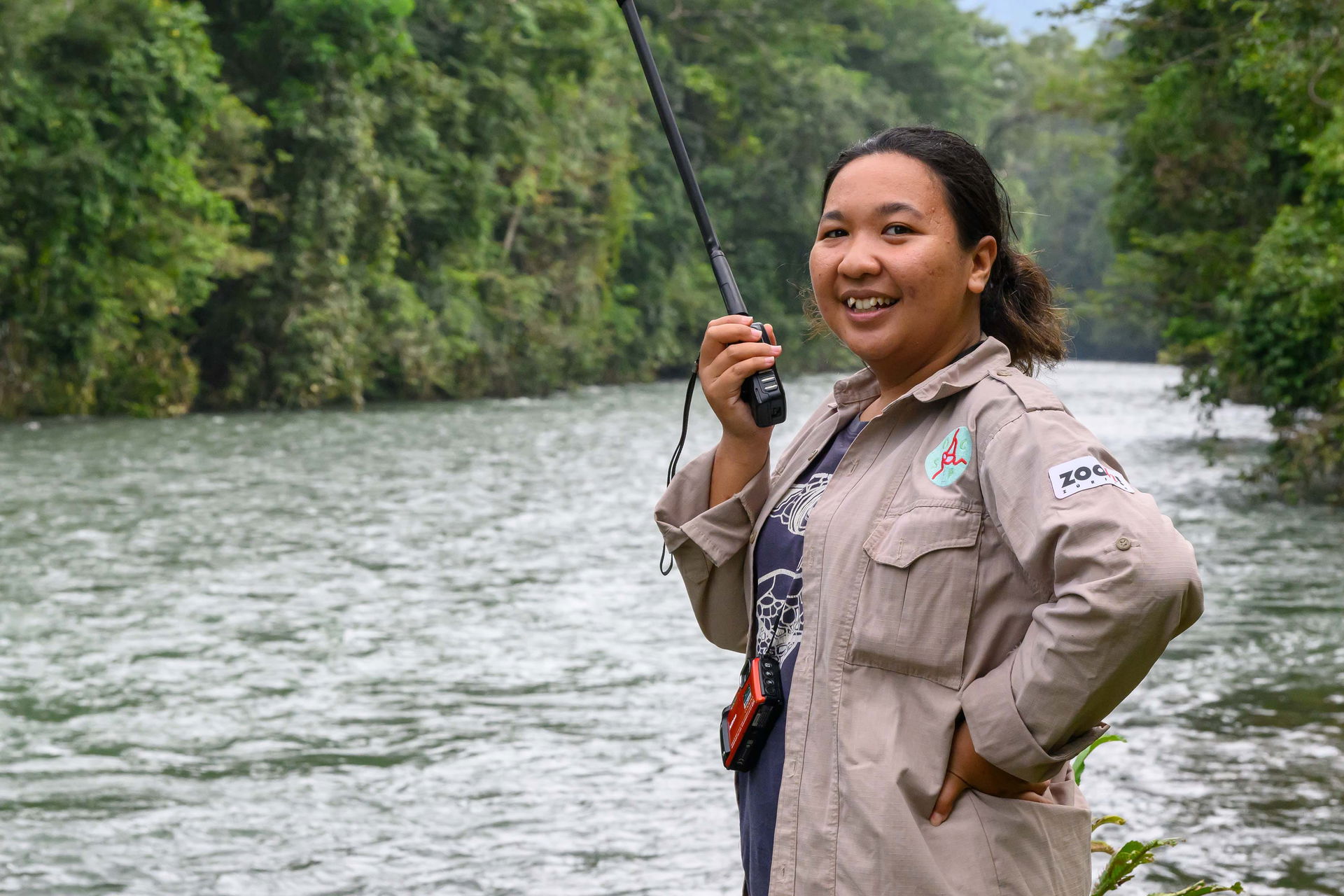
  • Rosa, Tierärztin beim Sumatran Orangutan Conservation Program SOCP und Naturschutzbotschafterin des Zoo Zürich.

    Rosa Yaneswara

    Veterinarian at the Sumatra Conservation Project

Our work in Sumatra is carried out in partnership with the PanEco Foundation and local partners.

Get involved

Become part of our Sumatra conservation project. We promise that every franc donated will go entirely toward the project.

Victims of the Palm Oil Industry

Actually, it is illegal to keep orangutans as pets in Indonesia. Nevertheless, it happens often.

Large palm oil companies burn down vast areas of rainforest. Sometimes, an orangutan mother and her baby survive on a single remaining tree. The workers kill the mother and take the baby, which ends up as an illegal pet.

The palm oil industry is the biggest driver of animal and habitat loss in this region. It is estimated that there are still about 14,000 wild orangutans. The International Union for Conservation of Nature (IUCN) lists the species as critically endangered.

Project news

Show all
  • Sumatra-Orang-Utan (Pongo pygmaeus abeli) Wenda in Jantho, Naturschutzprojekt Paneco.
    Lebensraumschutz
    20.09.2026

    The long road back

Our Work in Sumatra

Video: Zoo Zurich, naturemovie.ch

Project facts

  • 2007

    we began our involvement in Sumatra.

  • 1.53million

    CHF in direct contributions have been made possible for the project to date.

  • Four pillars

    • Rescue and care centre

    • Reintroduction station

    • Research and development

    • Lobbying and policy

    Batu Mbelin Nursing Station

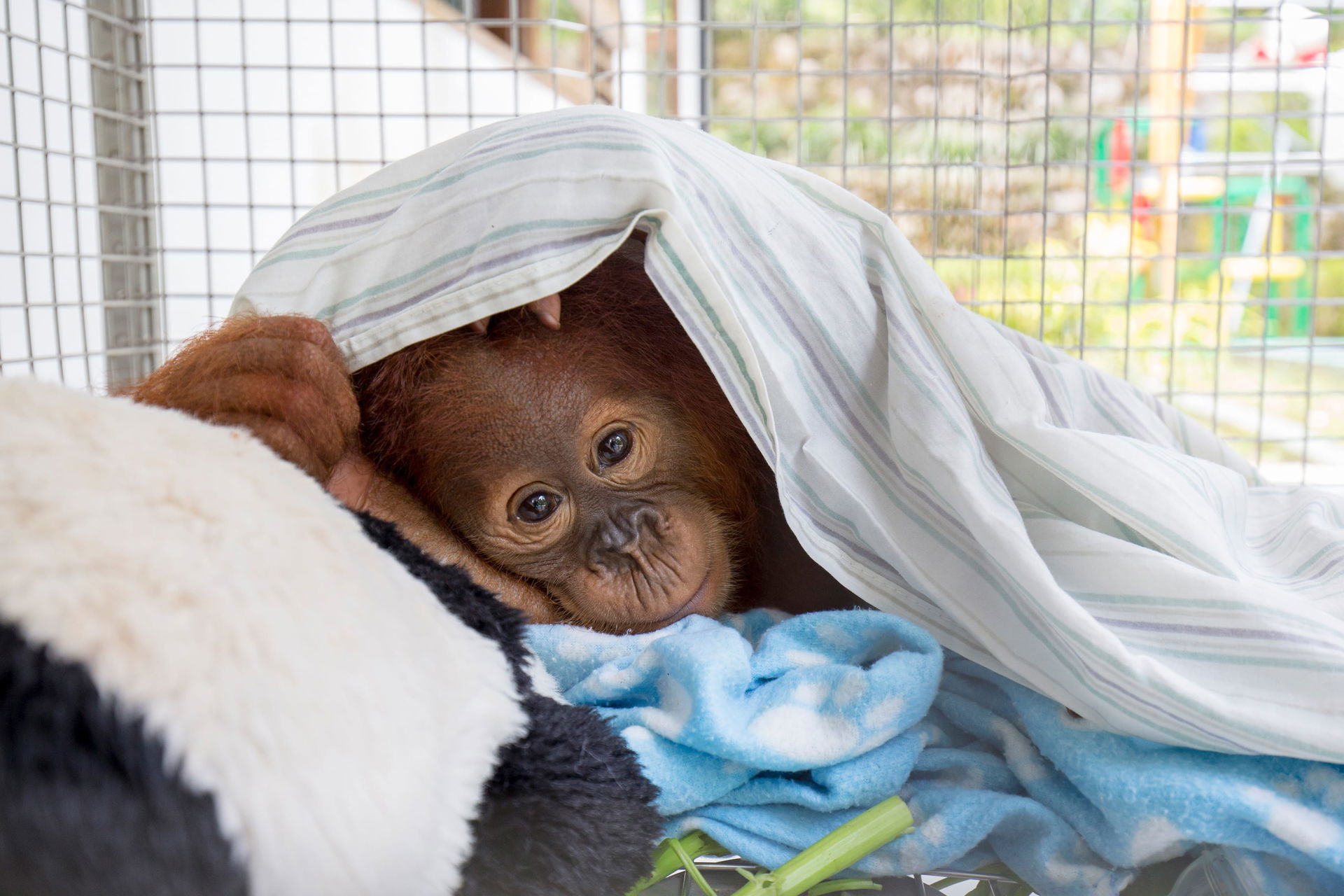
    At the rescue and rehabilitation center in Batu Mbelin, an experienced team cares for the confiscated orangutans. The animals, often only a few months old, suffer from malnutrition and illness. As a first step, the team provides medical care to the rescued orangutans and, when necessary, provides round-the-clock care.

    Junger Orang-Utan in der Auffang- und Pflegestation Batu Mbelin auf Sumatra.

    The rescue and care centre team has already provided intensive care for more than 380 animals. Image: PanEco Foundation, Maxime Aliaga
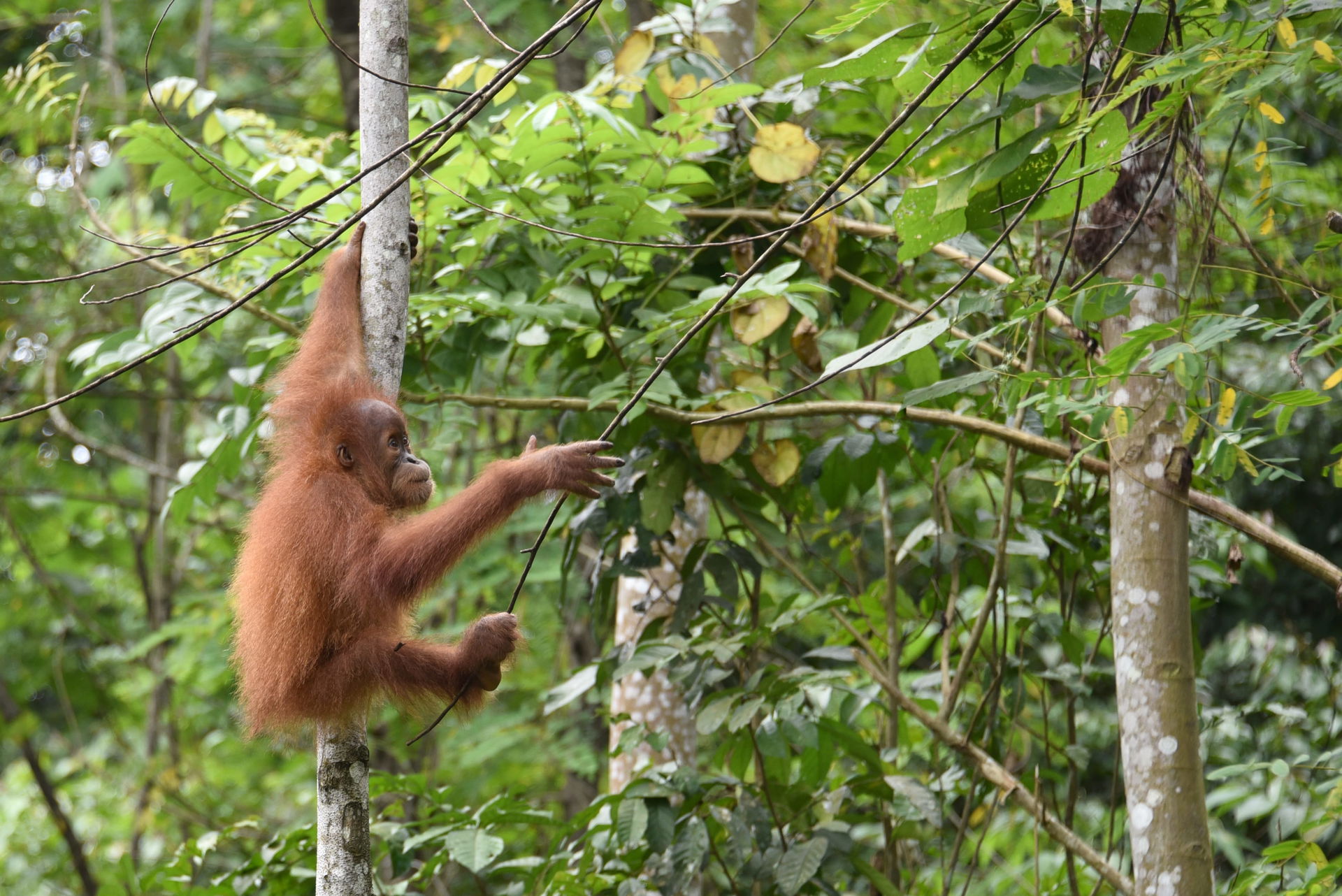
    In the next phase, we prepare the animals in our care for an independent life in the wild. The young animals typically learn about the rainforest from their mothers during their first seven years of life. Depending on the species, the preparation phase before release into the wild also takes several years at Batu Mbelin.

    Junger Orang-Utan auf Sumatra.

    Survival in the rainforest also means correctly assessing how much weight a branch can bear. Image: Zoo Zurich, Claudia Rudolf von Rohr
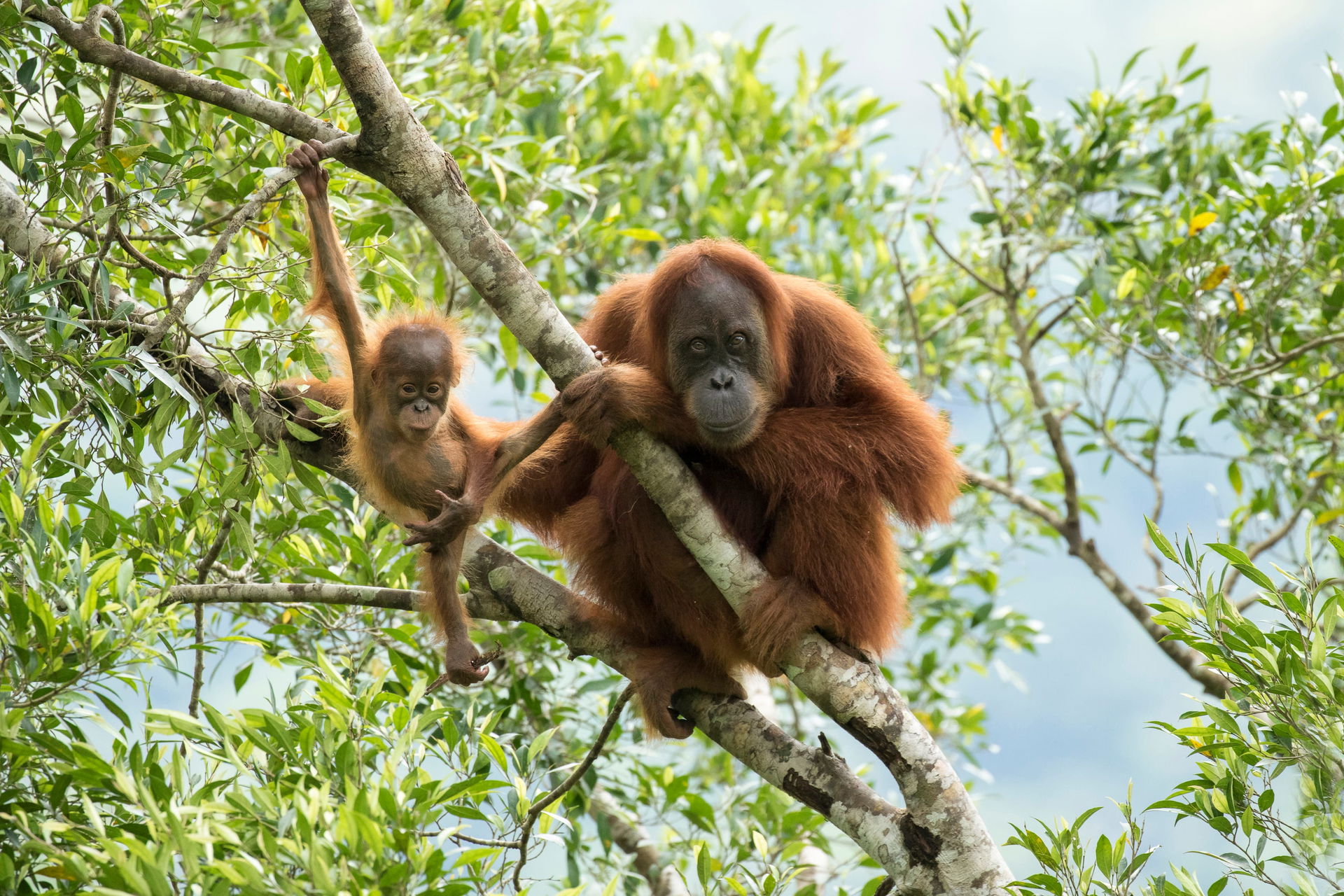
    The care team practices climbing with the orangutans at the Rainforest School and introduces them to other orangutans their own age. This allows the animals to learn from one another. The orangutans also practice building their nests for the night, searching for suitable food, and preparing it.

    Jantho Wildlife Reintroduction Center

    When an orangutan is ready to return to the wild, it travels to Jantho, 800 kilometers away. Here—as well as in a second region in the south—the goal of our project is to establish a new, self-sustaining orangutan population of at least 250 animals. So far, more than 120 orangutans have already established themselves in Jantho.

    Wilde Orang-Utans auf Sumatra.

    Marconi and Masen are a sign of hope for the new orangutan population. Image: PanEco Foundation, Maxime Aliaga
    A particularly joyful moment occurred in 2017: Seven years after the first releases in Jantho, we were able to observe offspring for the first time. The two cubs, a male and a female, were named Masen and Mameh—the first generation of offspring born to re-released parents.

    Video: Zoo Zurich

    Research and Development

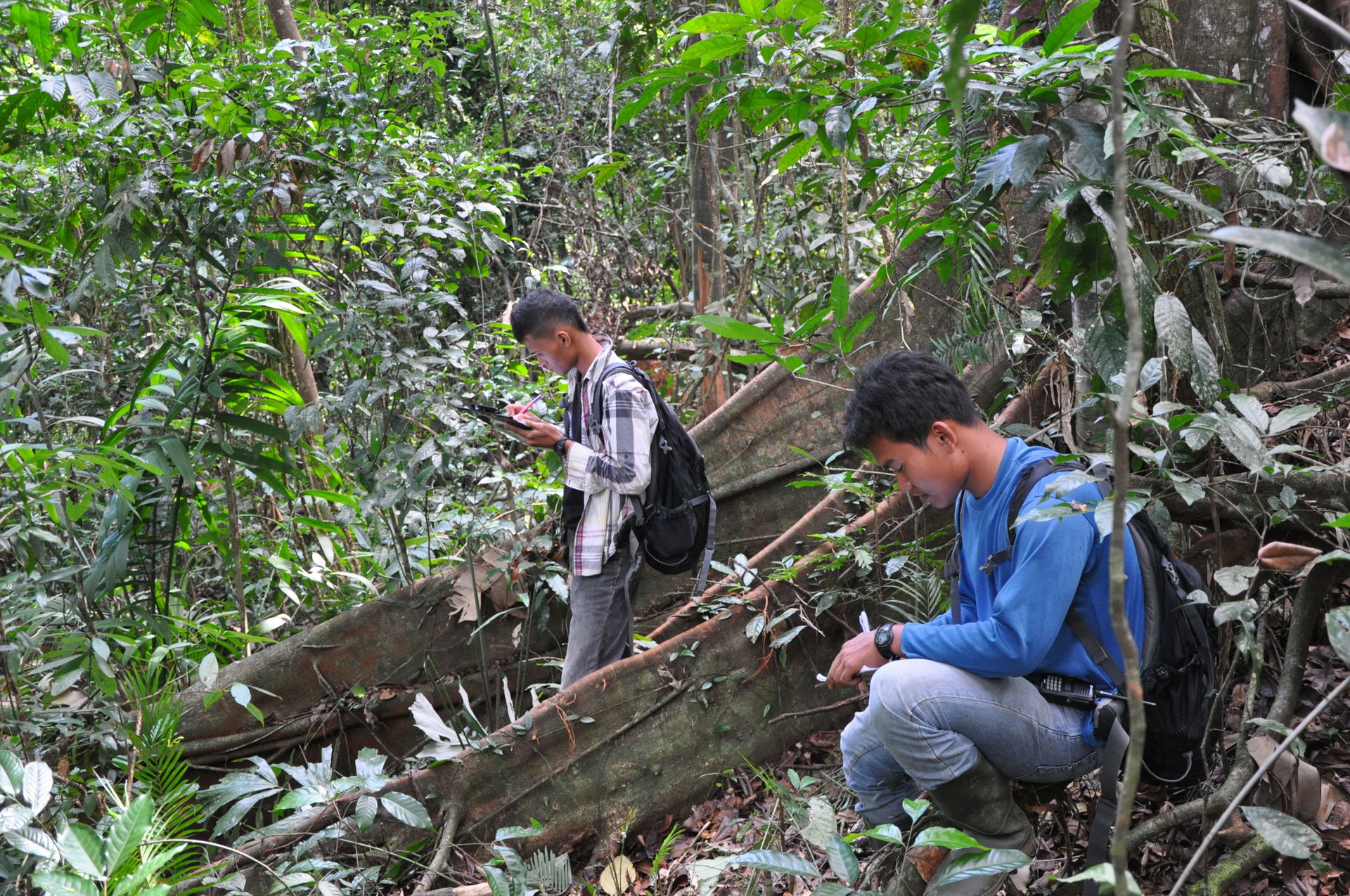
    However, our commitment does not end once the animals are released into the wild and left to fend for themselves. Especially during the first few months, a research team carefully observes the orangutans’ behavior. The so-called Post-Release Monitoring Team—whose training and salaries we fund—tracks the newly released animals and documents their behavior throughout the day.

    Forschungsarbeit im Regenwald auf Sumatra.

    Research assistants document the condition of the animals and their habitat. Image: PanEco Foundation
    Lobbying and Politics

    We are also fighting against the deforestation of the habitats of orangutans and other endangered species. Every year in Indonesia, an area of rainforest the size of a quarter of Switzerland is lost. Humans have already destroyed 80% of all rainforests on Sumatra over the past 30 years.

    In this project, we are focusing on the area surrounding the Gunung Leuser National Park. This region is also known as the Leuser Ecosystem. The forests are not only a habitat for orangutans; they also provide critically important ecosystem services to the local population, such as protection against storm surges, erosion, and flooding, and ensure a supply of clean drinking water.

    The last remaining contiguous swamp rainforests along the coast of Aceh in northern Sumatra are particularly worthy of protection. These peat swamp forests are home to the world’s highest density of orangutans.

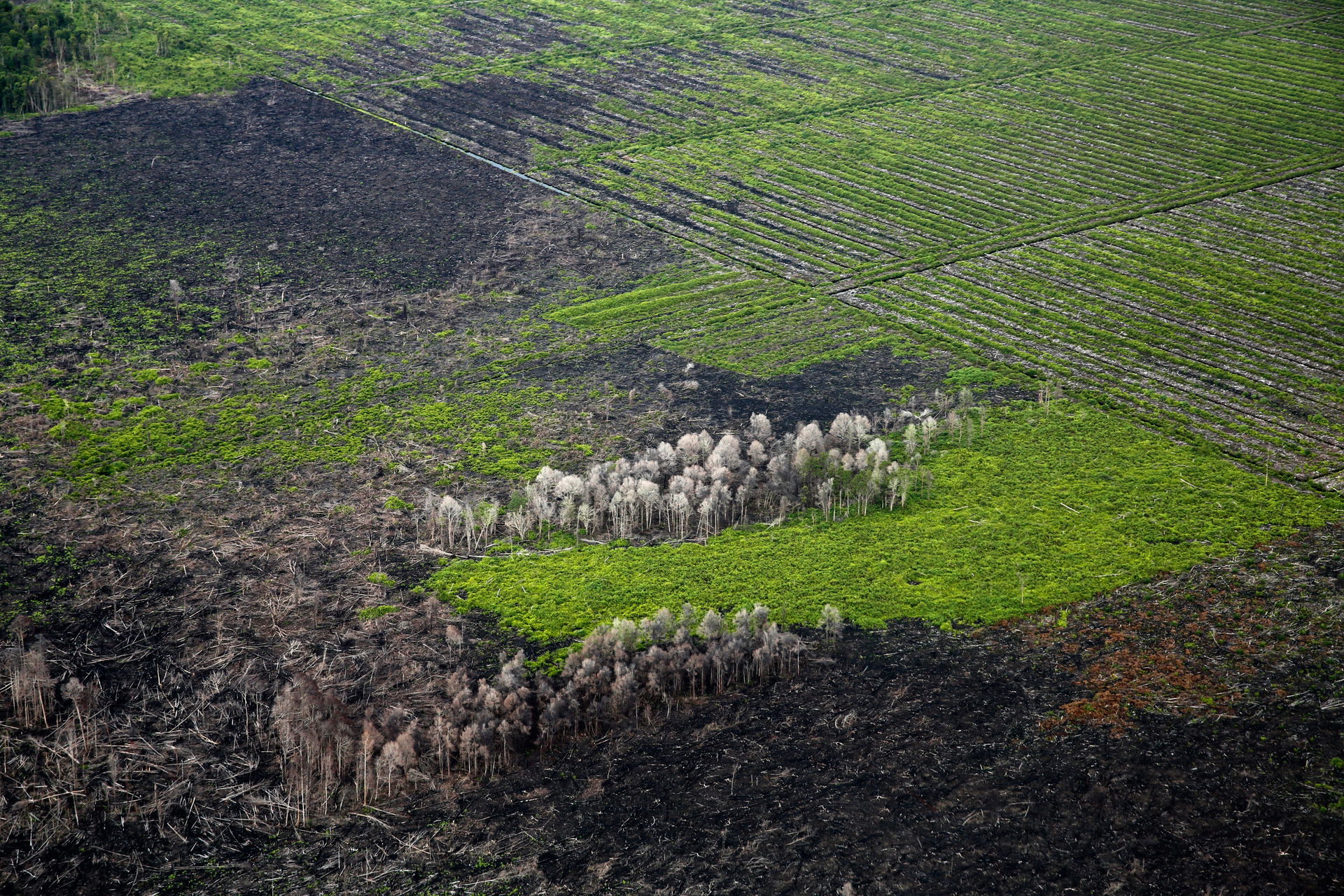
    Among other places, a large palm oil company illegally cleared land in this area. Paneco and its partners succeeded in having the company charged, and, under pressure from the international community, ensured that the court’s ruling was fully enforced. The fine for illegal slash-and-burn practices amounts to 26 million U.S. dollars and will be used for reforestation.

    Bild einer illegalen Brandrodung für Palmöl in Indonesien. Foto: Stiftung Paneco, Carsten Stormer

    Illegal slash-and-burn clearing for palm oil is unfortunately commonplace in Indonesia. Image: PanEco Foundation, Carsten Stormer

    • Education
    • Research
    • Species Conservation
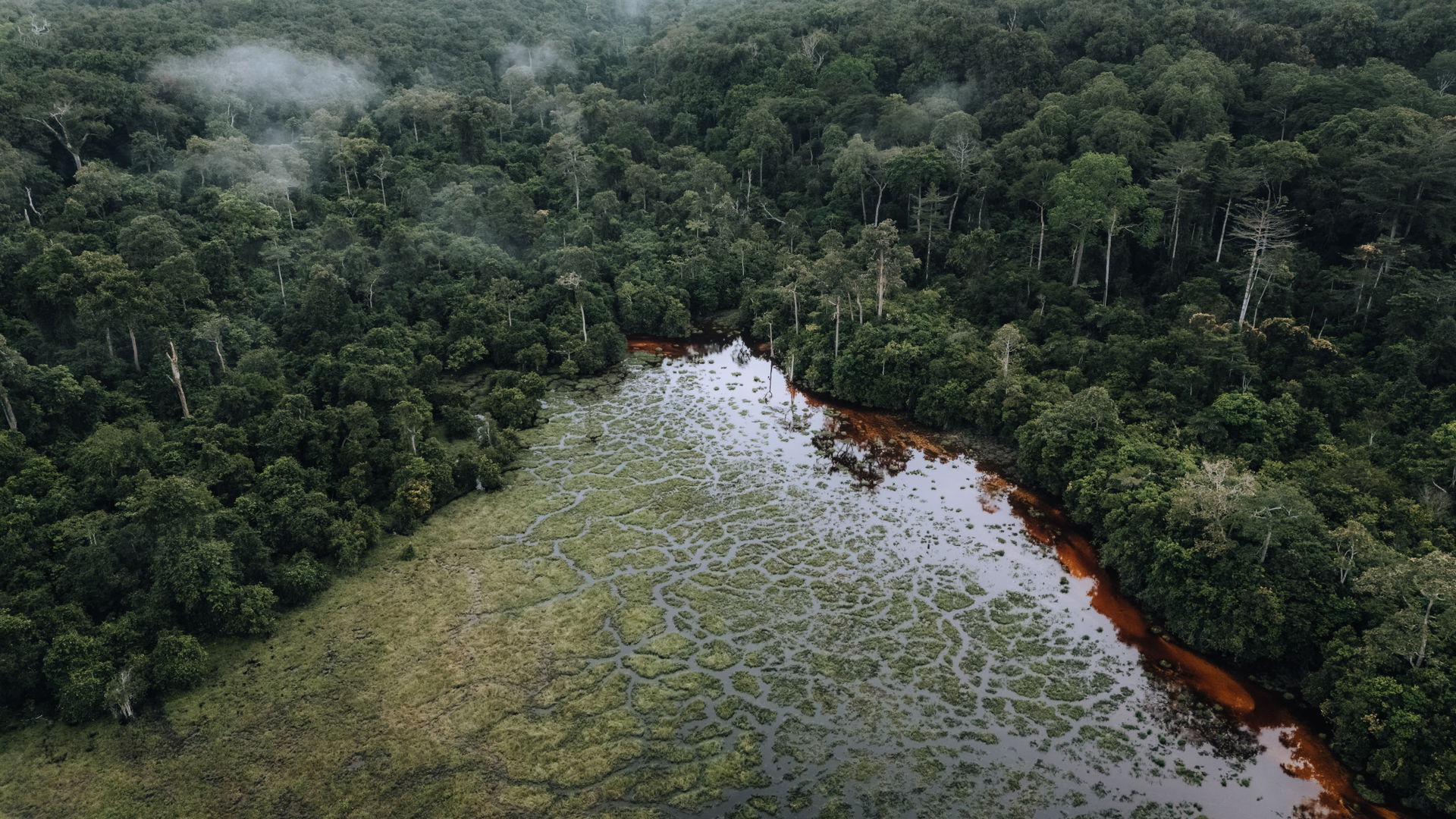
    • Blick aus der Luft auf einen Teil des Nouabalé-Ndoki-Nationalparks (NNNP) im Kongo.HabitatsWe protect nature – locally and globally

    Your donation to the Sumatra conservation project

    FundraisingBox Logo

    Frequently asked questions about donations

    More questions and answers
    Back to overview