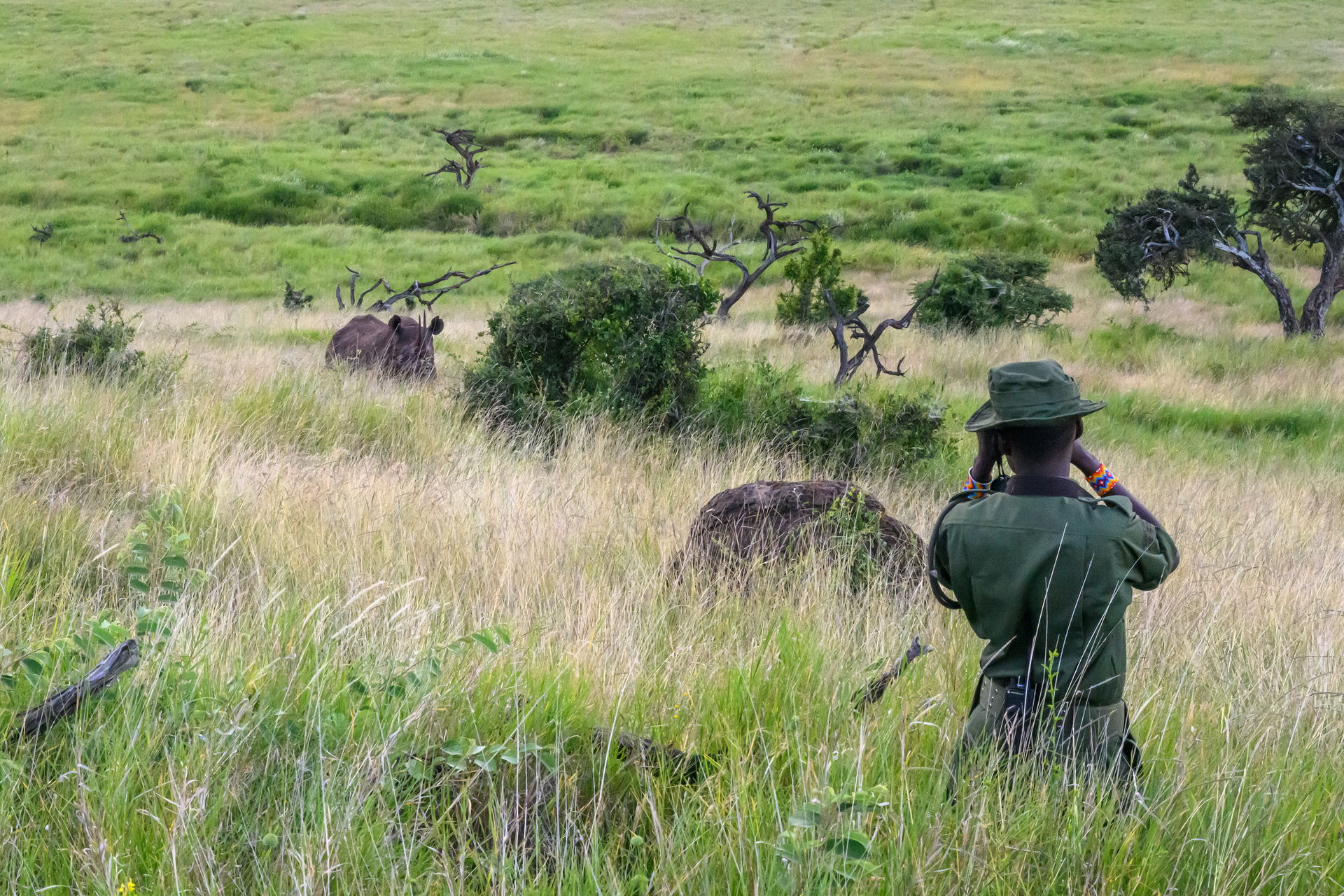

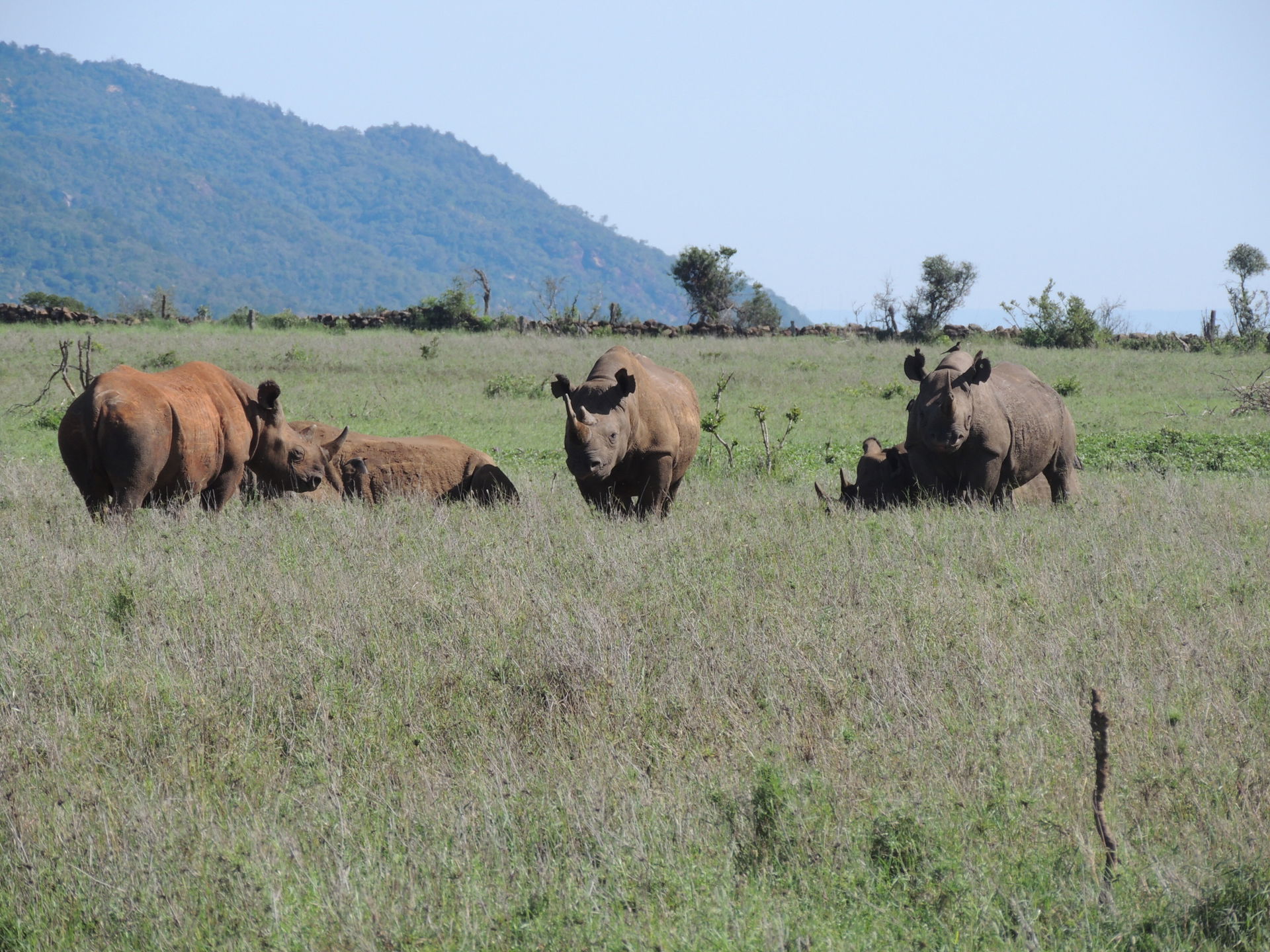
Spitzmaulnashorn im Lewa Wildlife Conservancy in Kenia.

Conservation project in the field

Lewa

We ensure that patrols and rangers in the Lewa Reserve in Kenya are equipped to stand up to poachers.

We help expand and modernize schools—last year alone, we made it possible to build seven new classrooms. We support local healthcare and promote projects for sustainable agriculture. Because only by working together can we preserve Kenya’s wildlife.

Our local team

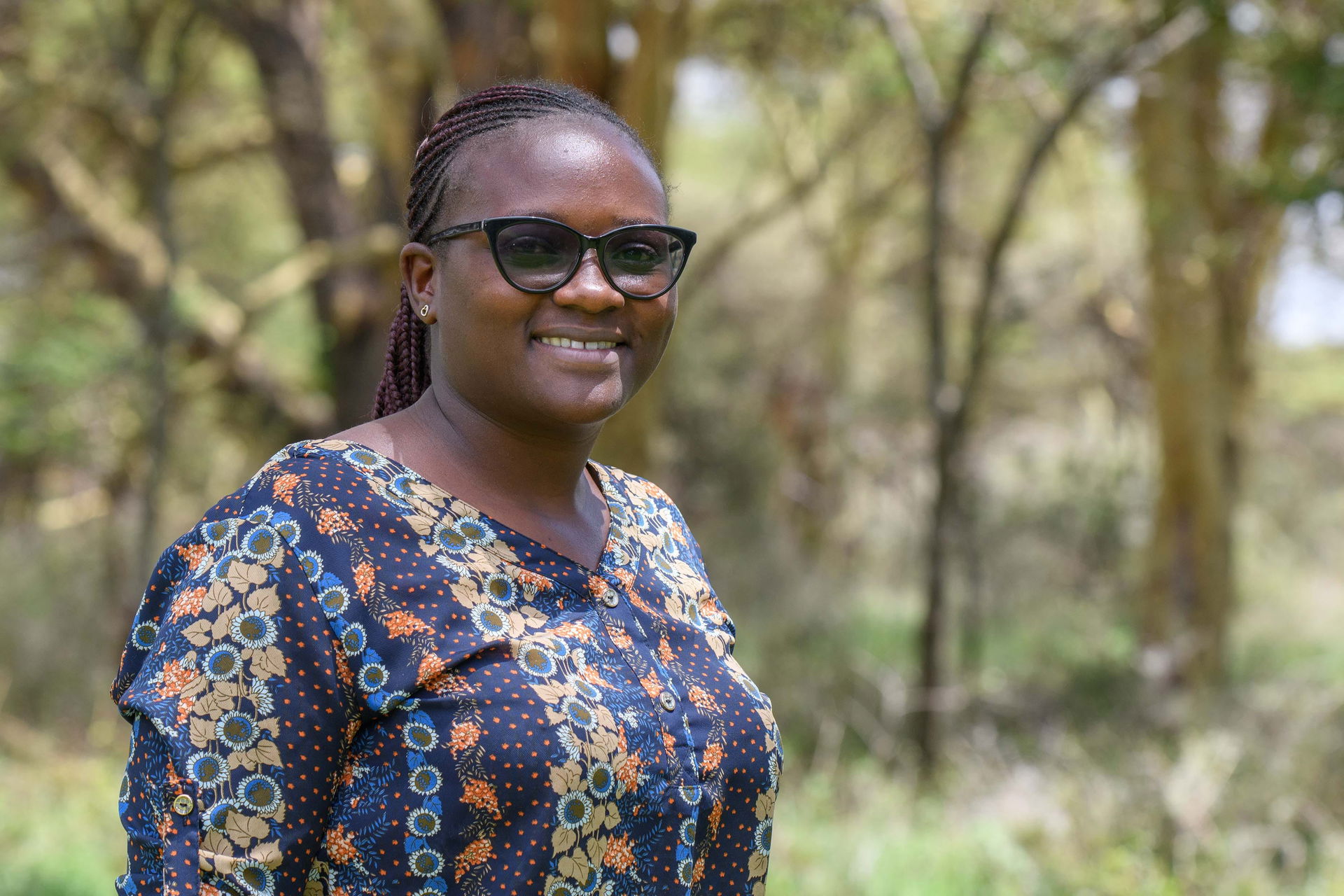
  • Purity Kinoti, Leiterin Bildung im Lewa Wildlife Conservancy in Kenia.

    Purity Kinoti

    Head of Education at the Lewa Conservation Project

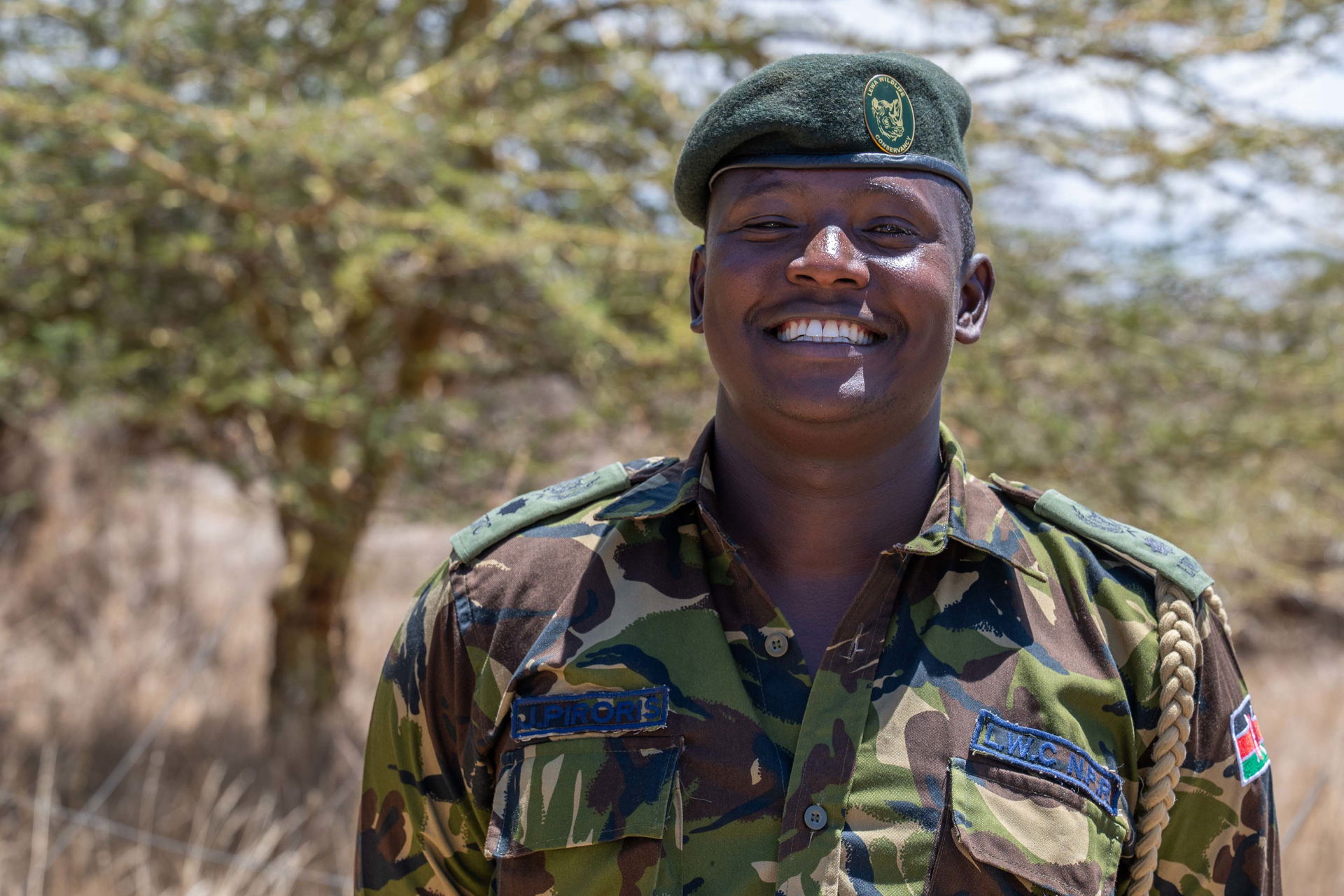
  • Naturschutzbotschafter Joseph Piroris

    Joseph Piroris

    Head of the Dog Unit at the Lewa Conservation Project

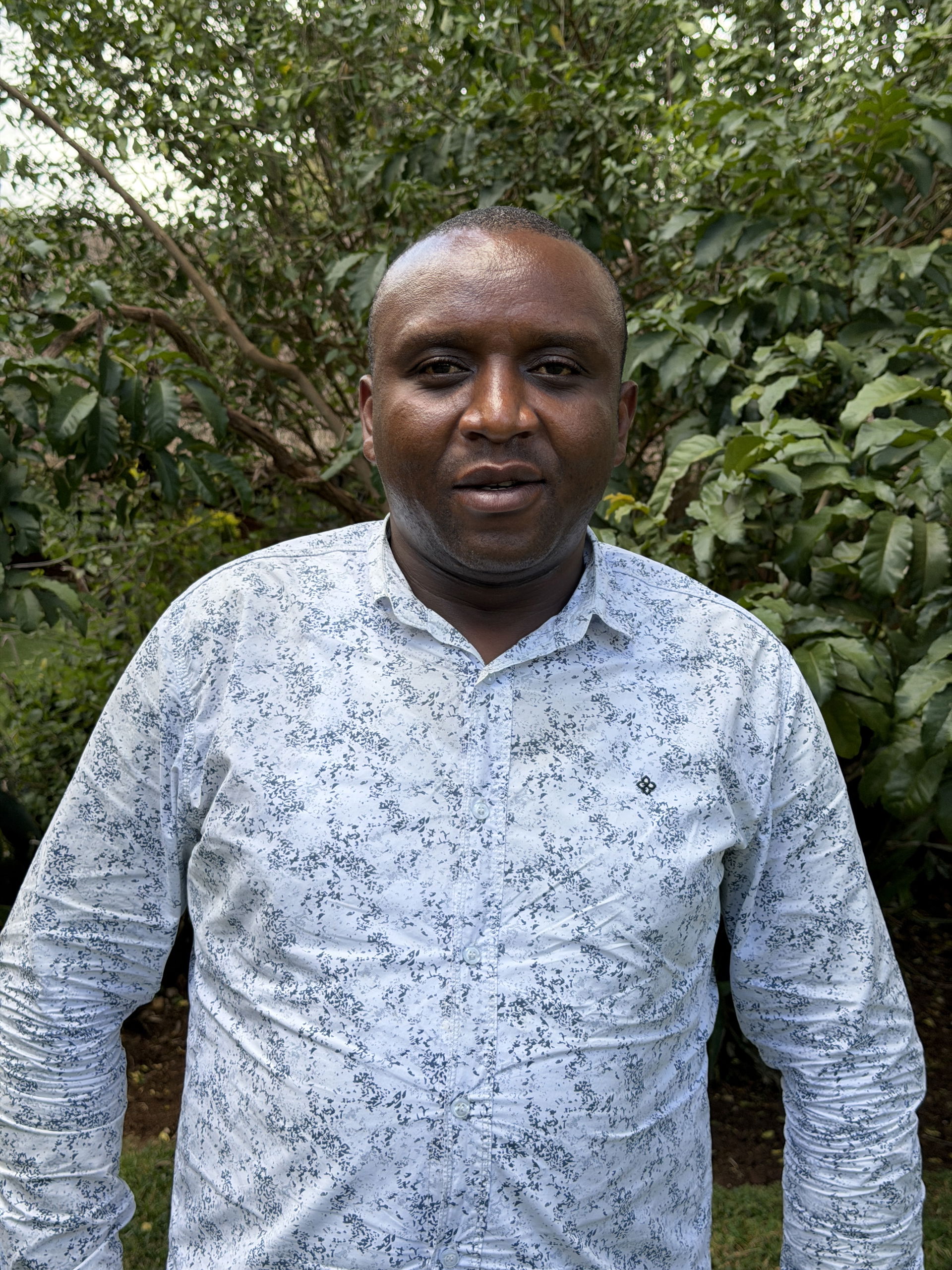
  • Naturschutzbotschafter Lawrence Riungu

    Lawrence Riungu

    Director of Community Development at the Lewa Conservation Project

Working Together for Wildlife

Poaching and habitat loss threaten Africa’s rhinos and elephants. Illegal hunting for horns and ivory, in particular, endangers these animal populations. We’re taking action to combat this—with success.

Get involved

Become part of our Lewa conservation project. We promise that every franc donated goes entirely to the project.

From 400 to 800

According to the IUCN Red List, the black rhinoceros is critically endangered. In the 1990s, there were only about 2,500 animals left in all of Africa—400 of them in Kenya.

Meanwhile, the population is slowly recovering, thanks to intensive conservation efforts and population management.

Today, there are once again about 800 black rhinos living in Kenya. In addition, there are over 600 white rhinos. About 15% of these animals live in Lewa. They, along with all other wildlife, continue to need intensive protection.

Spitzmaulnashörner im Lewa Wildlife Conservancy in Kenia.

Thanks to intensive conservation measures, the number of black rhinos in the Lewa Wildlife Conservancy is increasing. Image: Lewa Wildlife Conservancy, Sam Taylor

Project facts
  • 1998

    we began our involvement in Kenya.

  • 6.13mil.

    CHF in direct contributions have been made possible for the project to date.

  • 64,000

    people have benefited from this project to date.

  • Our Work in Lewa

    Our Lewa wildlife conservation project is a long-standing partnership with the Lewa Wildlife Conservancy. For nearly thirty years, we have been working hand in hand to protect endangered wildlife. The reserve at the foot of Mount Kenya is a UNESCO World Natural Heritage Site.

    The Lewa Wildlife Conservancy is home to endangered species such as black and white rhinos, Grevy's zebras, and elephants. The key to their protection lies in well-trained staff, strong partnerships in the region, and collaboration with the local community.

    Video: Zoo Zurich, naturemovie.ch

    Two places, one goal

    Discover the Lewa Savanna at the Zoo

    Come experience the animals of the Kenyan savanna here at our zoo—because our Lewa Savanna and the Lewa Conservation Project go hand in hand.

    Netzgiraffe (Giraffa reticulata) in der Lewa Savanne des Zoo Zürich.

    Lewa news

    Show all
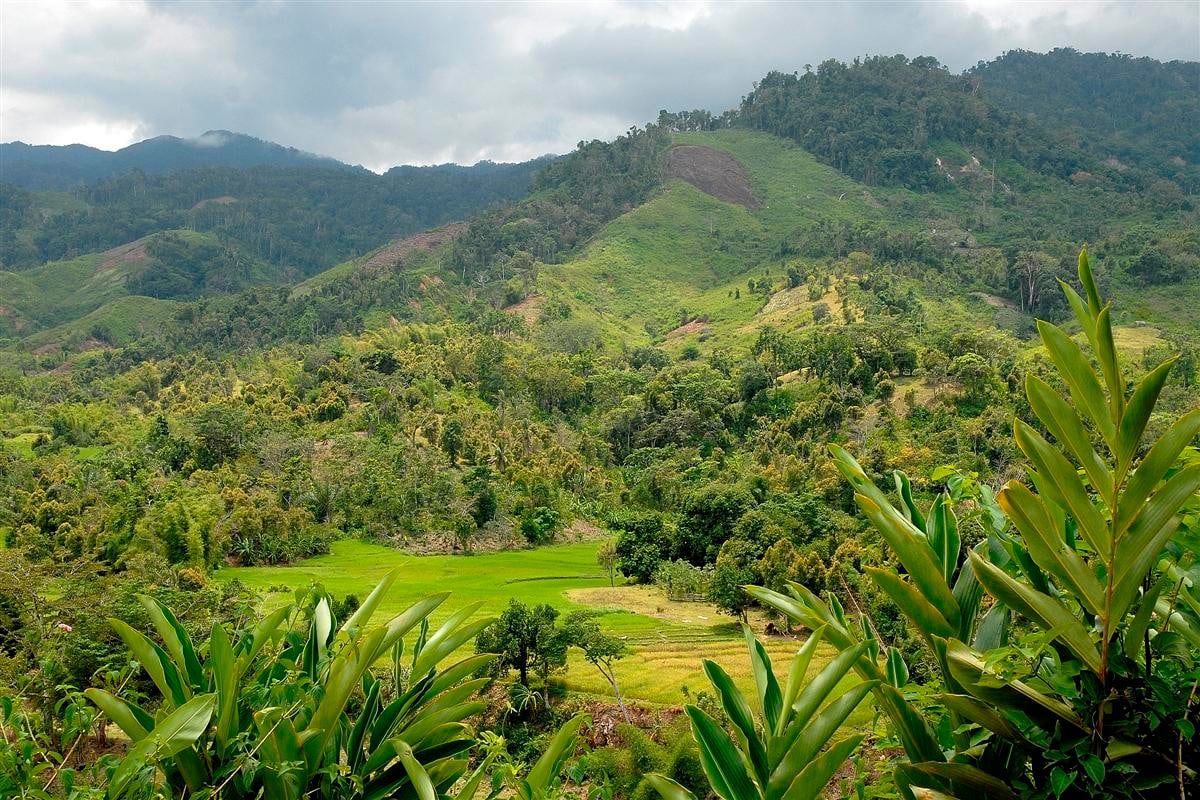
    • Regenwald auf der Masoala-Halbinsel in Madagaskar.
      Lebensraumschutz
      20.09.2026

      One million trees planted

    Insights

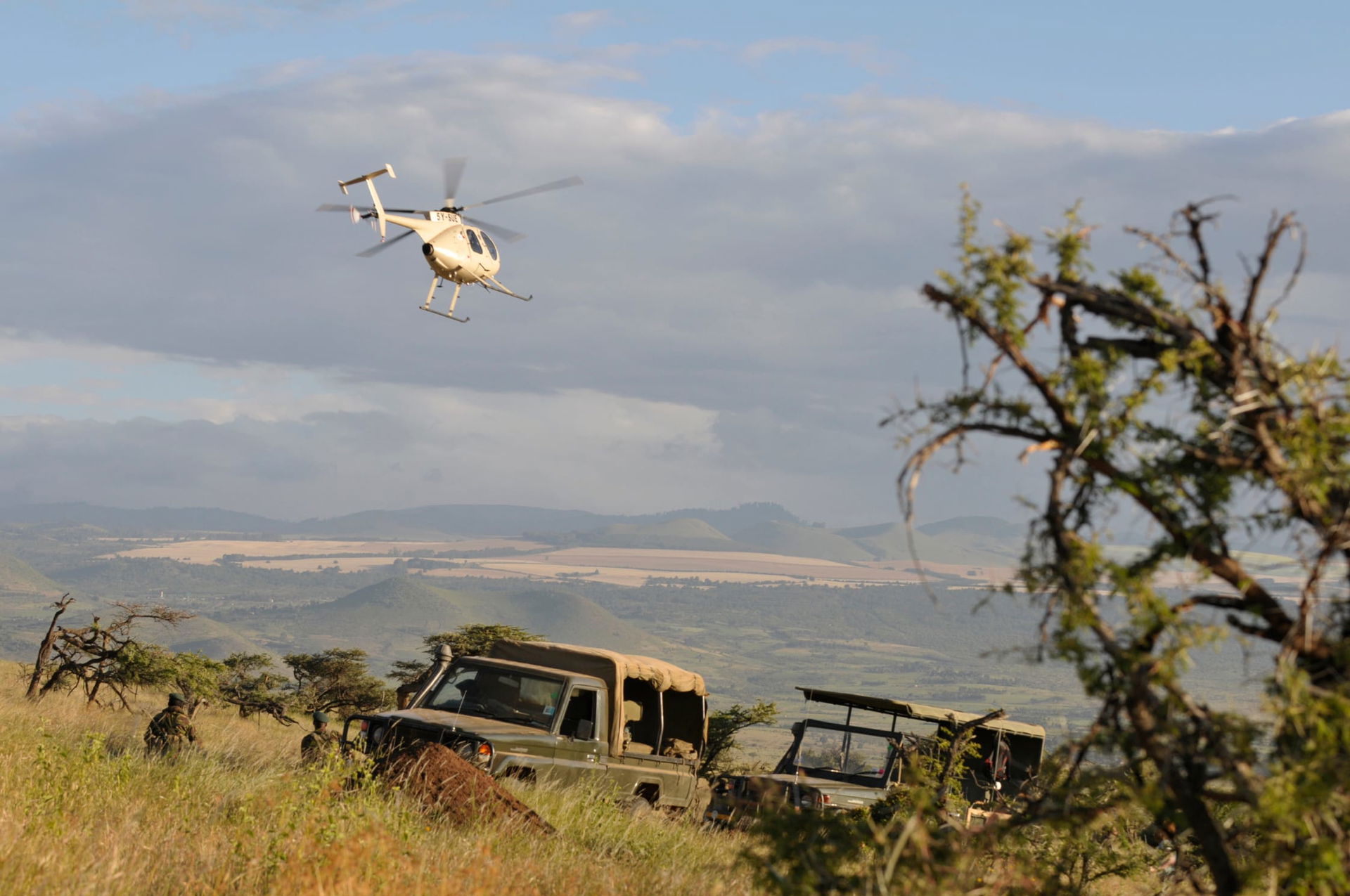
    Helikopter der Anti-Wilderei-Einheit im Lewa Wildlife Conservancy in Kenia.

    Protecting rhinos from poaching requires state-of-the-art infrastructure, including a helicopter capable of flying at night. Image: Zoo Zurich, Martin Bauert
    Combating Poaching

    We provide equipment and salaries for various teams that work hand in hand to combat poaching. Security units ensure the immediate protection of the animals. Members of the anti-poaching team have full police authority and are commissioned by the Kenyan government. They patrol the reserve but are also called upon to investigate livestock thefts and break-ins outside the reserve’s boundaries. In recent years, the anti-poaching teams have significantly improved security in the surrounding communities.

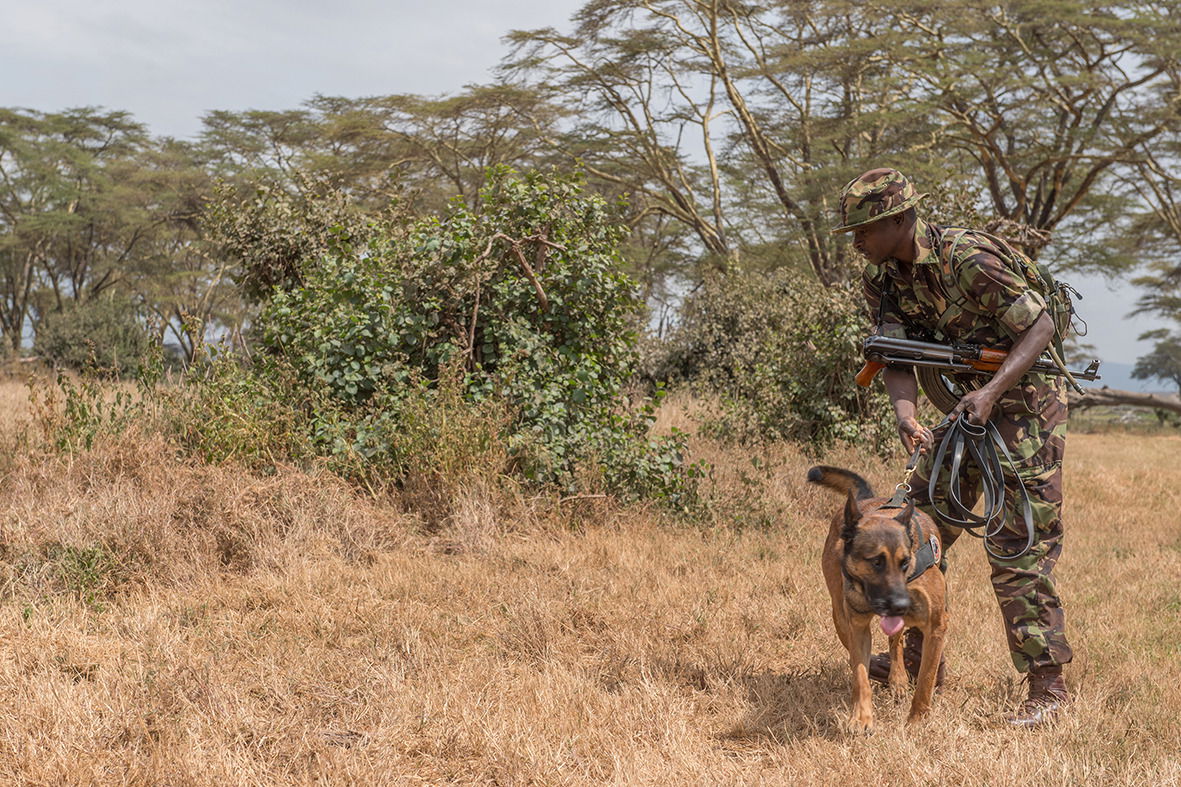
    Spürhund der Antiwilderei-Einheit im Lewa Wildlife Conservancy in Kenia.

    The tracker dogs and their excellent sense of smell play a valuable role in combating poaching. Image: Zoo Zurich, Martin Bauert
    Dogs for Wildlife

    Animals also help combat poaching. In Lewa, tracking dogs—known as “tracker dogs”—are part of the armed anti-poaching unit. The dogs can track the trails of poachers and livestock thieves over long distances, even long after the fact. That’s why the dogs are also used to present evidence in court. We help fund the dogs, the training of the handlers, and the patrol vehicle.

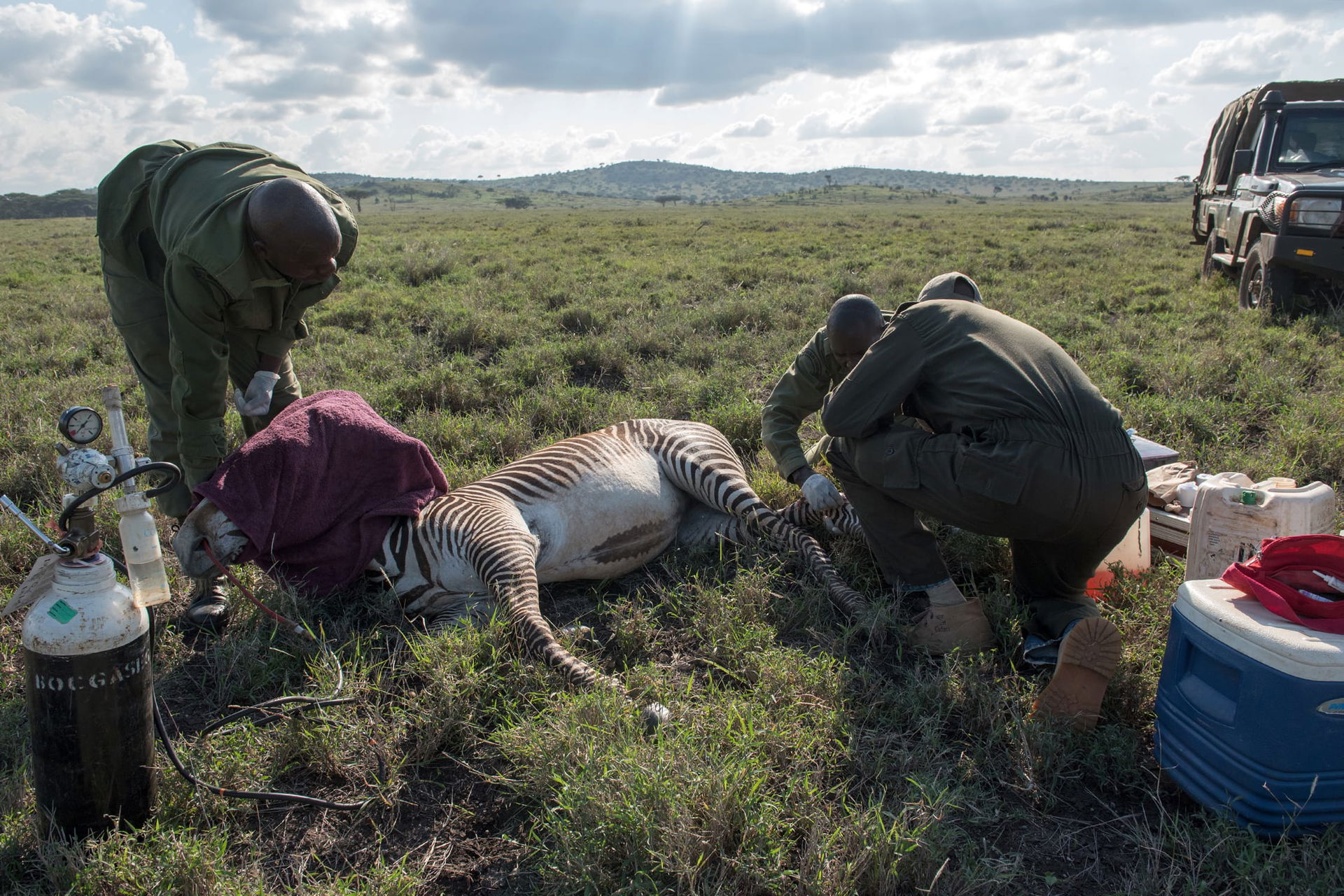
    Tierarzt Matthew Mutinda verarztet im Lewa Wildlife Conservancy in Kenia ein Grevyzebra.

    Lewa’s veterinarian provides medical care for wildlife on site (pictured: a Grevy’s zebra foal). Image: Zoo Zurich, Martin Bauert
    Research and Treatment

    Teams of researchers roam the Lewa Wildlife Conservancy and collect data. They observe the animals, document their health and the social structure of the herds, and compile an overview of population trends.

    Special attention is given to rhinos and Grevy’s zebras. Especially when it comes to endangered species, the survival of every single wild animal counts. Veterinarians who treat injured animals in the field are therefore another vital pillar of wildlife conservation.

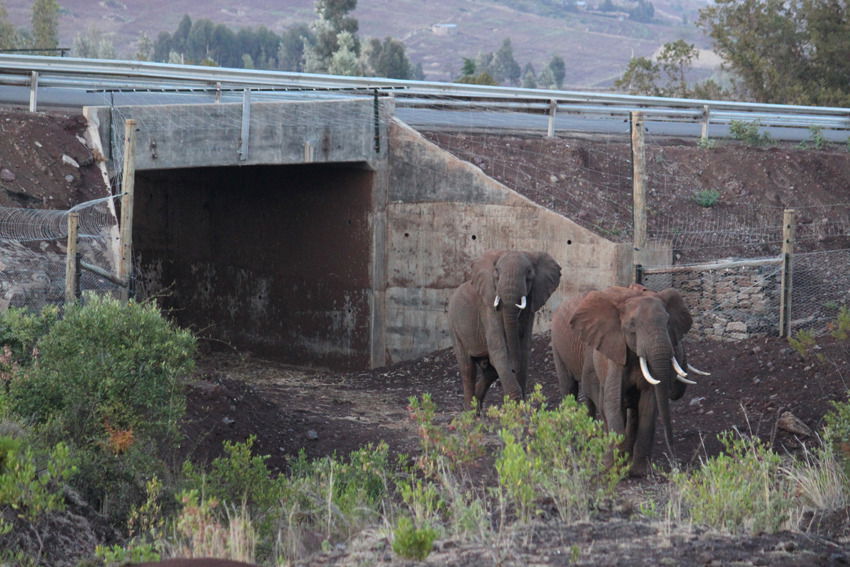
    Eine Unterführung schleust wilde Elefanten auf ihrer Wanderung zwischen Mount-Kenya-Nationalpark und Lewa Wildlife Conservancy sicher unter der Nationalstrasse durch.

    An underpass allows wildlife to cross safely from one side of the national road to the other. Image: Lewa Wildlife Conservancy
    Reducing conflicts

    People are encroaching ever further into wildlife habitats. This leads to problems—for example, when elephants destroy farmers’ fields along their migration routes. We were able to defuse one such conflict on Lewa’s southern boundary. There, the “Elephant Corridor,” a 15-kilometre-long fenced strip of land along a stream, restores the historic wildlife migration route between Mount Kenya National Park and Lewa. The corridor not only enables people and animals to coexist peacefully; it also safeguards vital genetic exchange between increasingly isolated herds.

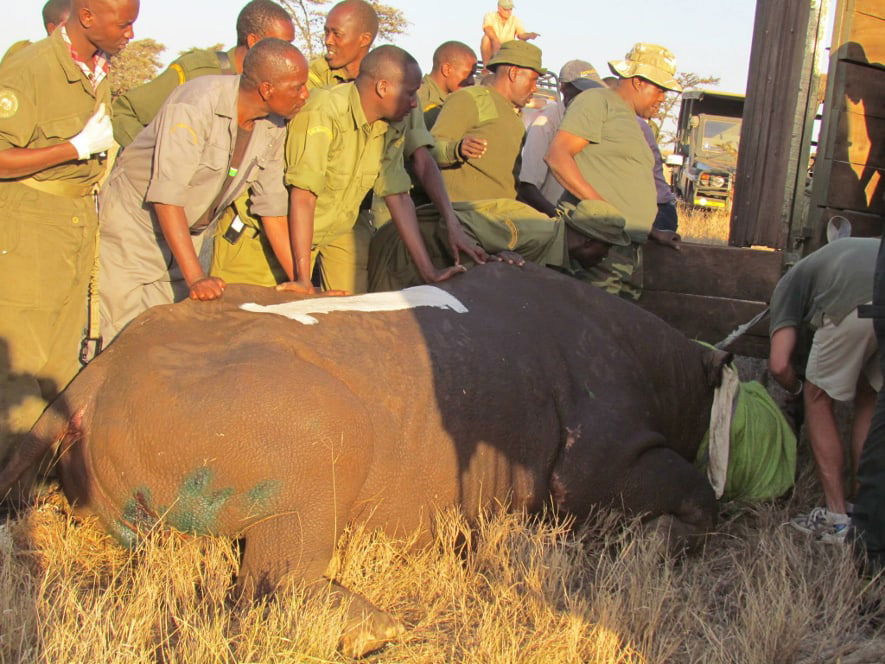
    Nashornumsiedlung im Lewa Wildlife Conservancy in Lewa.

    Black rhinos are thriving so well in Lewa that some can be relocated to other reserves. Image: Lewa Wildlife Conservancy
    Relocating Rhinos

    Since 2015, the fences between Lewa and the adjacent Borana Conservancy have been open to rhinos and other wildlife. More than 200 rhinos now live on the combined land. The animals are breeding so successfully that more than 50 have already been relocated to the Ol Pejeta and Sera reserves, as well as to Meru National Park. Another reserve is being established in the neighboring community of Il Ngwesi.

    The relocations provide the endangered rhinos with sufficiently large territories and feeding grounds without the animals competing with one another.

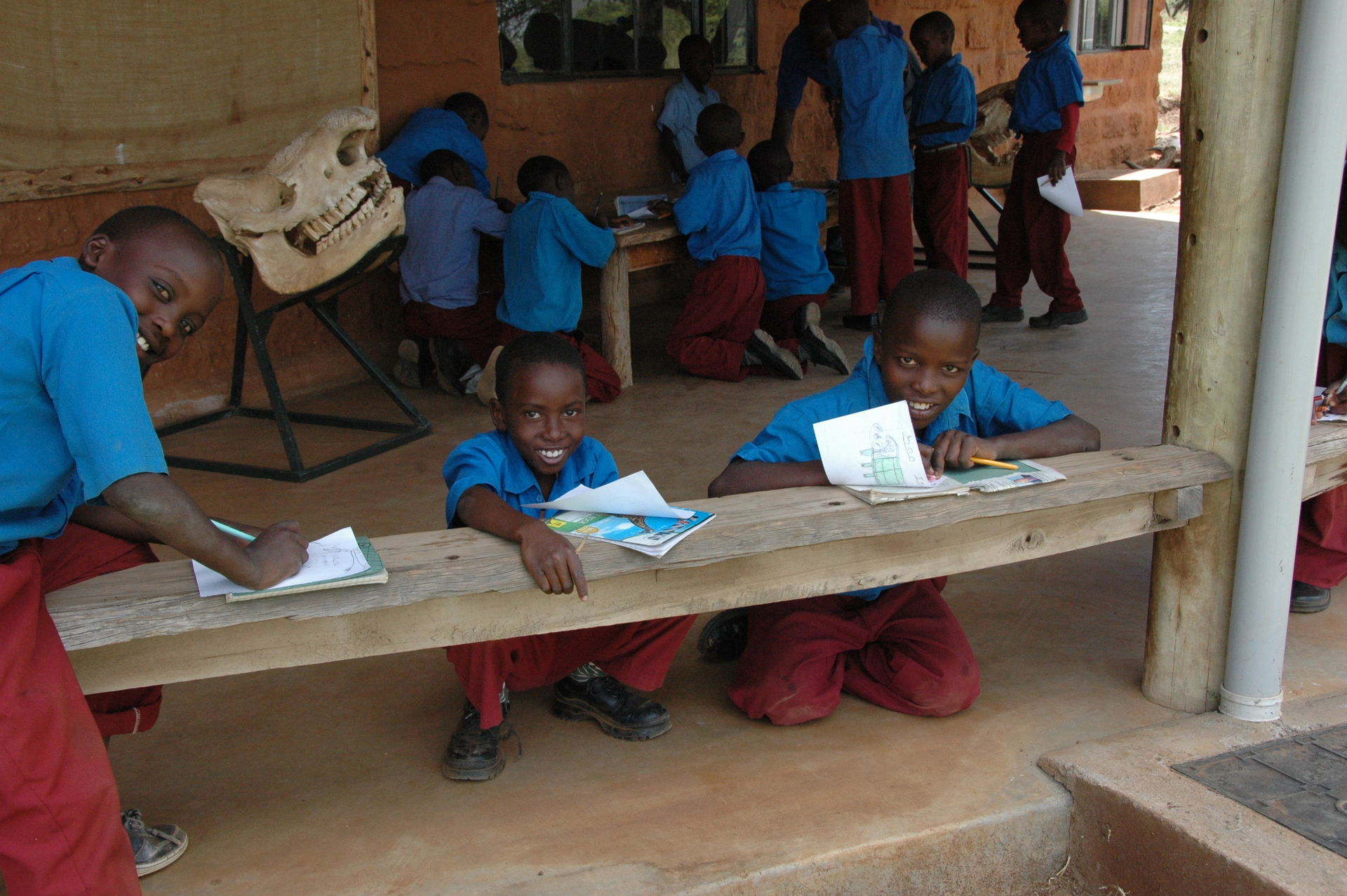
    Kinder im Umweltbildungszentrum des Lewa Wildlife Conservancy in Kenia.

    More than 5,000 children and adults visit Lewa’s environmental education centre each year. Image: Zoo Zurich, Isabelle Steiner

    With the people

    Collaboration with the local community and a shared culture that fosters harmony between people and animals are the keys to Lewa’s success. Schools, clinics, and an environmental education center for children and adults are an integral part of our commitment. We also support projects aimed at improving sustainable agriculture, such as efficient irrigation systems.

    Tourism is an important source of revenue for the reserve. It has created numerous jobs and income-generating opportunities in and around Lewa. With all its facilities, Lewa is now one of the largest employers in northern Kenya.

    • Education
    • Research
    • Species Conservation
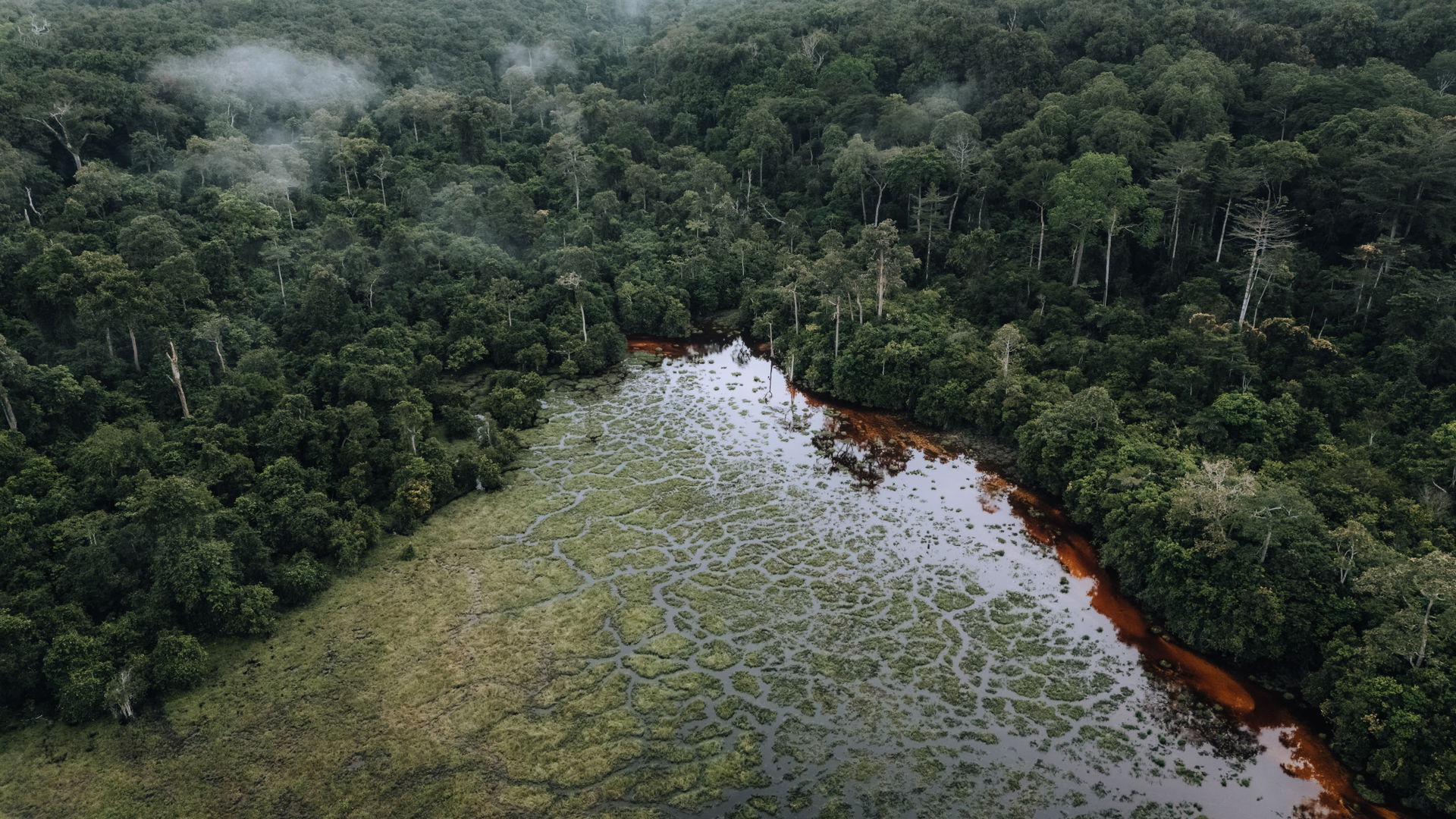
    • Blick aus der Luft auf einen Teil des Nouabalé-Ndoki-Nationalparks (NNNP) im Kongo.HabitatsWe protect nature – locally and globally

    Your donation to the Lewa conservation project

    FundraisingBox Logo

    Frequently asked questions about donations

    More questions and answers
    Back to overview