Zoo-Zürich-Naturschutzbotschafterin Purity im Einsatz in Lewa.

18.11.2026 — Habitat protection — Species conservation

Connected Worldwide

Zoo Zurich is a conservation organization active worldwide. However, what happens in our projects around the globe is often far away and not very visible. Twenty people from our field projects give this work a human face.

Over one million trees have been planted in Madagascar as part of the Masoala Conservation Project. Not a single rhino poached for the sixth consecutive year in the Lewa Conservation Project. The tiger population has increased from 42 to 140 animals within 16 years in Thailand’s Western Forest Complex, which we help protect through our Kaeng Krachan Conservation Project. 86 newly installed nesting aids for endangered hyacinth macaws in 2025 alone in the Pantanal Conservation Project. Purchase and restoration of an island for endangered seabird species in the Conservation Project Antarctic Research Trust. 271 reintroduced Lehmann’s poison frog in the Conservation Project Amphibian Survival in Colombia over the past three years. And more frogs are already waiting in the wings.

On-site Conservation Work

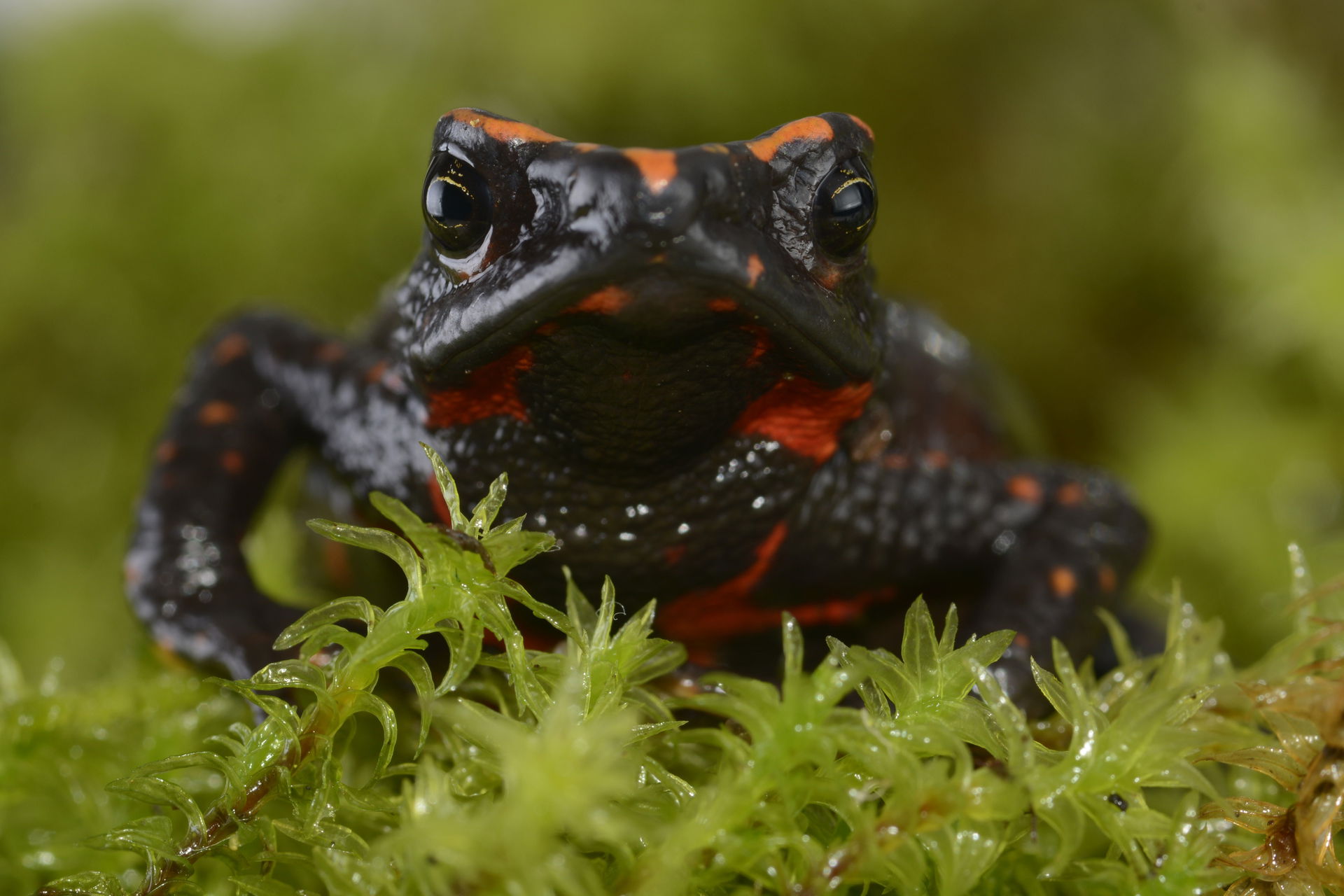
The Lehmann's poison frog is critically endangered in its native Colombia. Photo: WCS Colombia.

A reintroduction project aims to save the species from extinction in the long term. Photo: WCS Colombia.

The island of Hummock, near Antarctica, is being restored through the planting of tussock grass. Photo: Zurich Zoo, Klemens Pütz.

Conservation fellow Ana checks a nesting box for hyacinth macaws in the Pantanal wetlands. Photo: Zurich Zoo, Martin Bauert.

Because there is a lack of natural nesting sites, artificial nest boxes serve as a substitute. Photo: Zurich Zoo, Martin Bauert.

Reforestation is an important project for our nature conservation ambassadors in Madagascar. Photo: Zurich Zoo, Martin Bauert.

Rangers in Lewa keep a close eye on the rhino population at all times. Photo: Zurich Zoo, Martin Bauert.

Different place, same goal

All of this is wonderful news from our nine global conservation projects. And behind all these successes are many dedicated people. Twenty of them, who are on the front lines and making a huge difference every day, are our Conservation fellows.

Our Conservation Fellows

Video: Zoo Zurich, Tim Benz

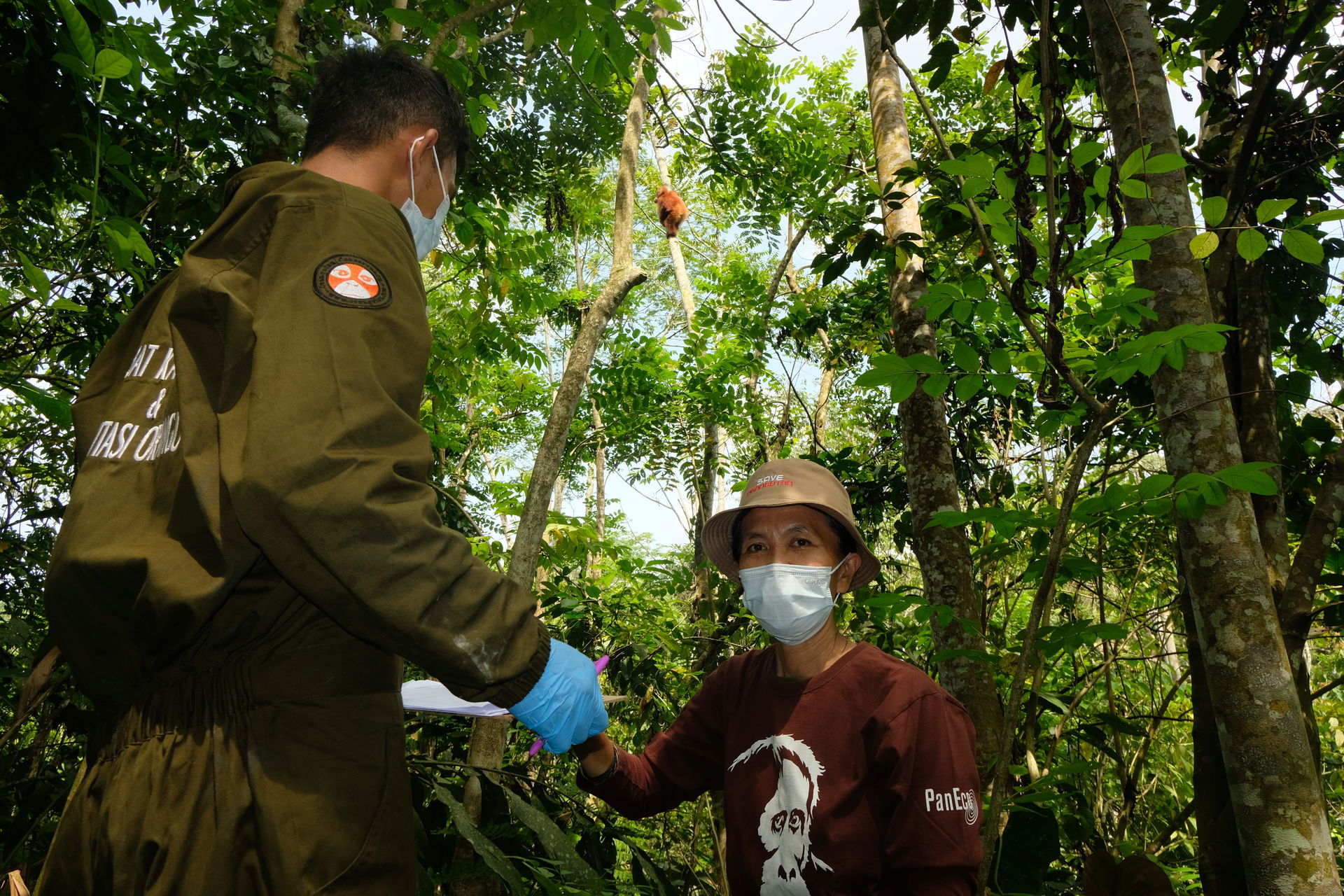
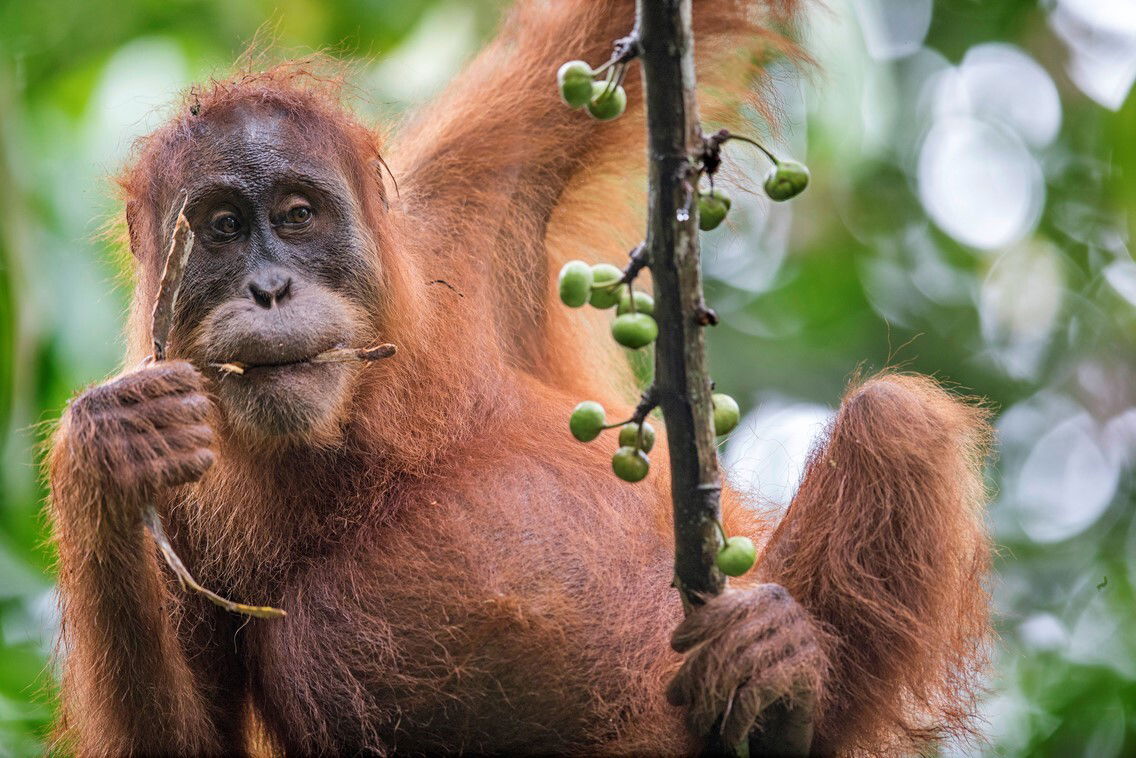
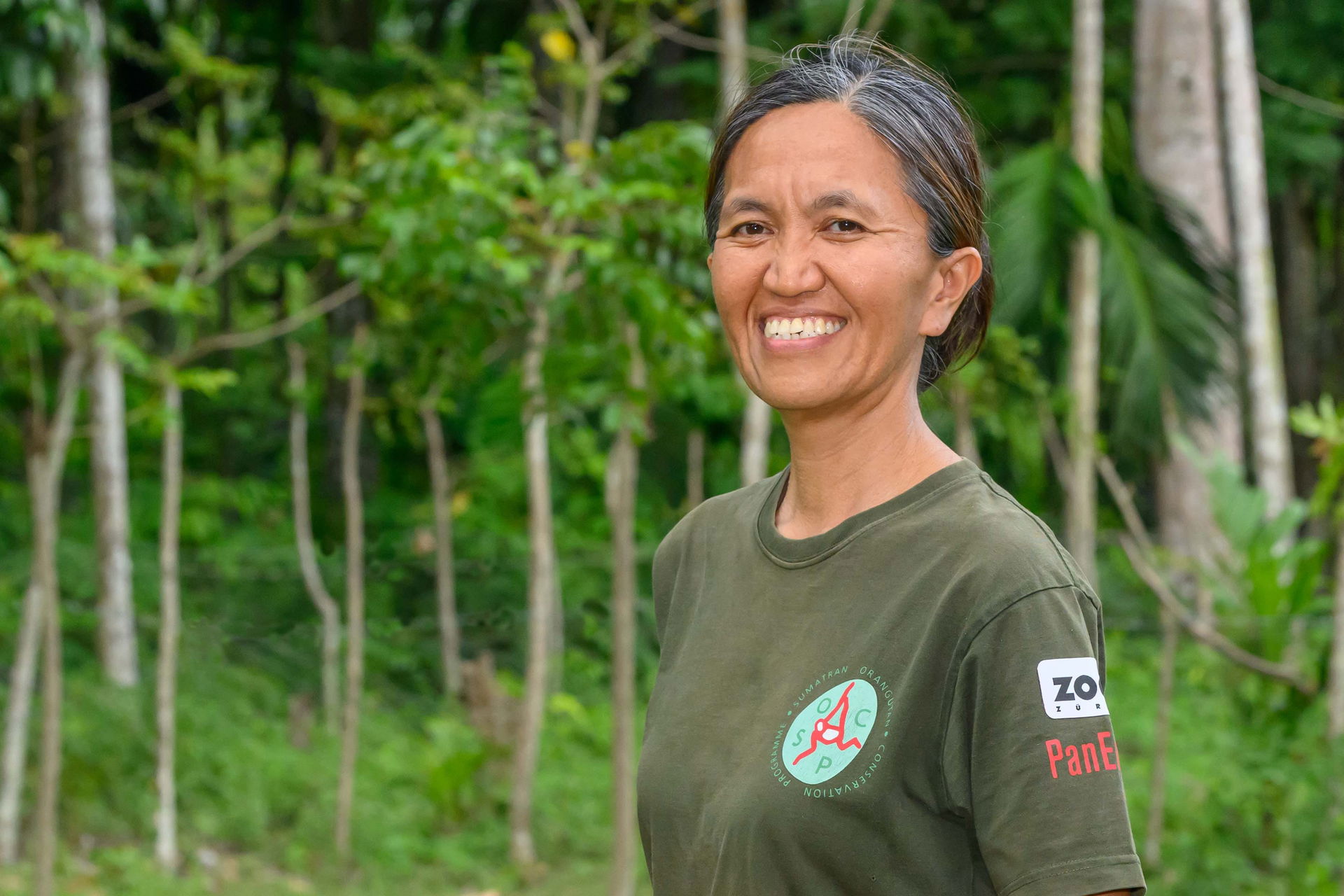
For example, Citrakasih Nente, or Citra for short. Her heart belongs to the orangutans. Together with our partner organization PanEco, we support their vital work in our Sumatra Conservation Project on the Indonesian island of the same name. There, they run a rescue and rehabilitation center dedicated to taking in and caring for injured or orphaned orangutans, with the goal of eventually releasing them back into the wild.

Citrakasasih «Citra», Leiterin der Division Ex-situ-Artenschutz beim Sumatran Orangutan Conservation Program SOCP und Naturschutzbotschafterin des Zoo Zürich.

Conservation fellow Citra Nente working to protect Sumatran orangutans. Photo: PanEco
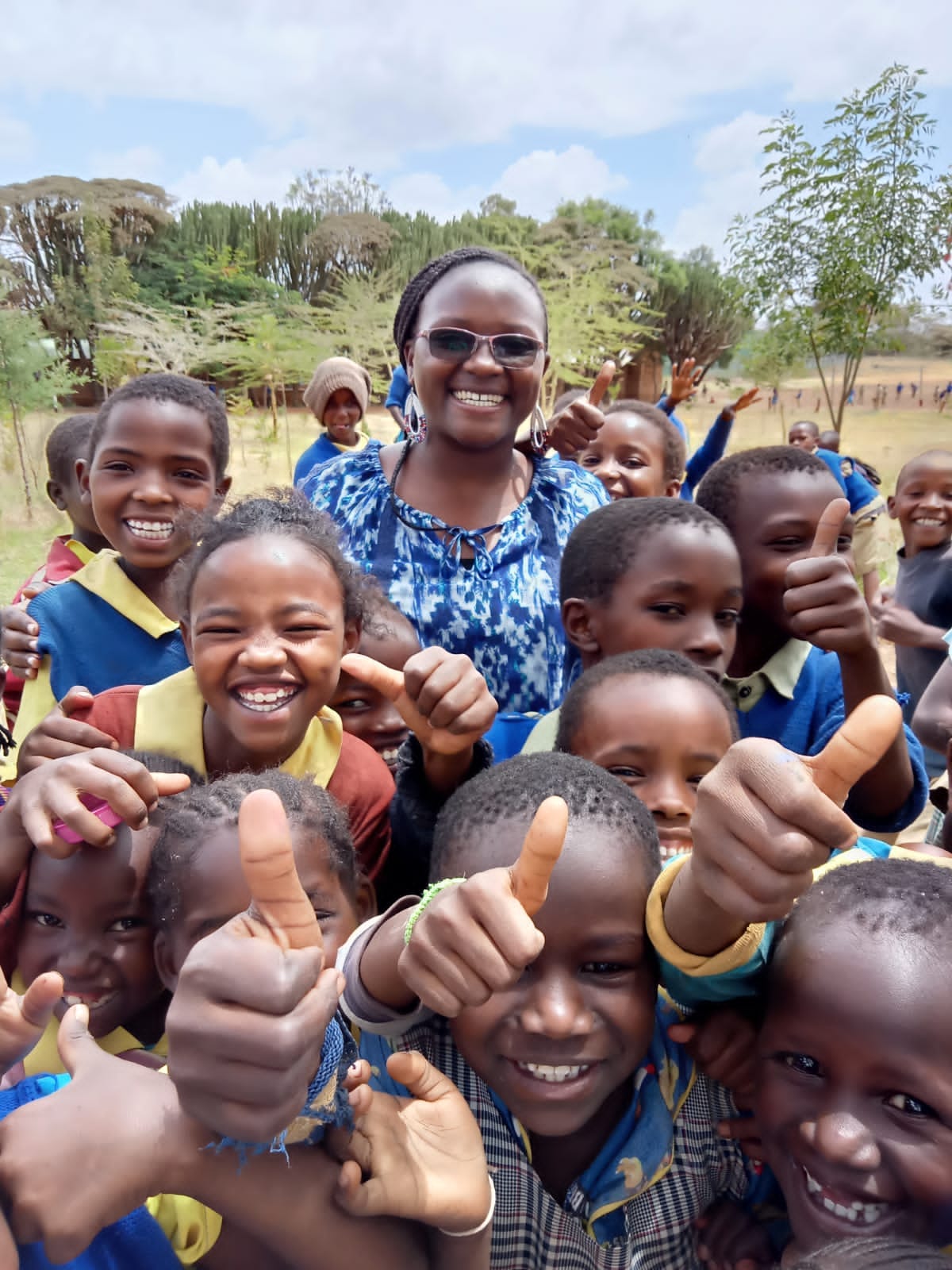
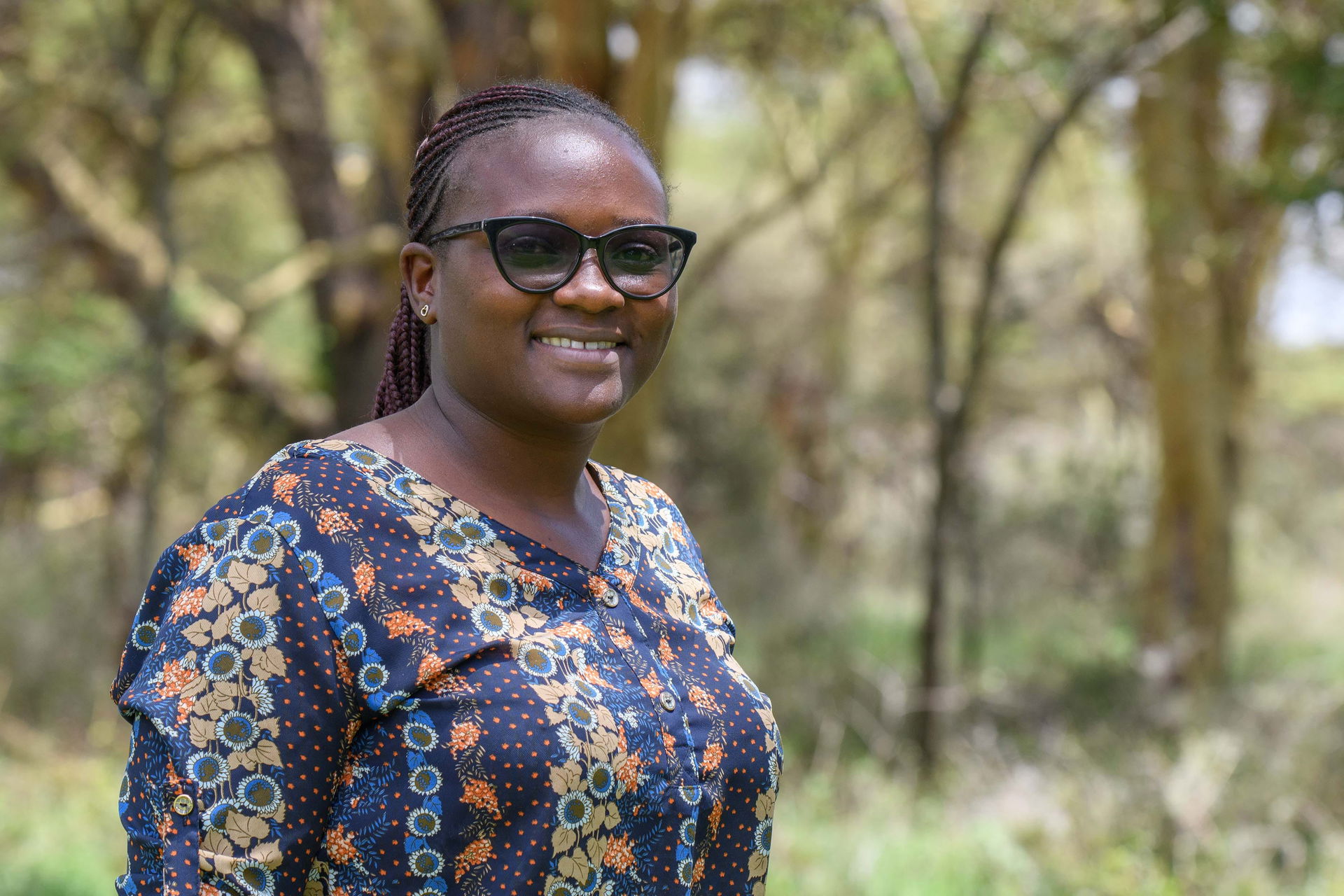
Or Purity Kinoti from the Lewa Conservation Project in Kenya. She doesn’t just visit schools to work with children on understanding the importance of biodiversity and the protection of endangered species. With our support, she has already been able to open several new schools, thereby contributing to education in the region. Knowledge is the foundation for effective species conservation.

Purity Kinoti, Leiterin Bildung im Lewa Wildlife Conservancy in Kenia.

Conservation fellow Purity Kinoti from Lewa working to promote education. Photo: Lewa Wildlife Conservancy
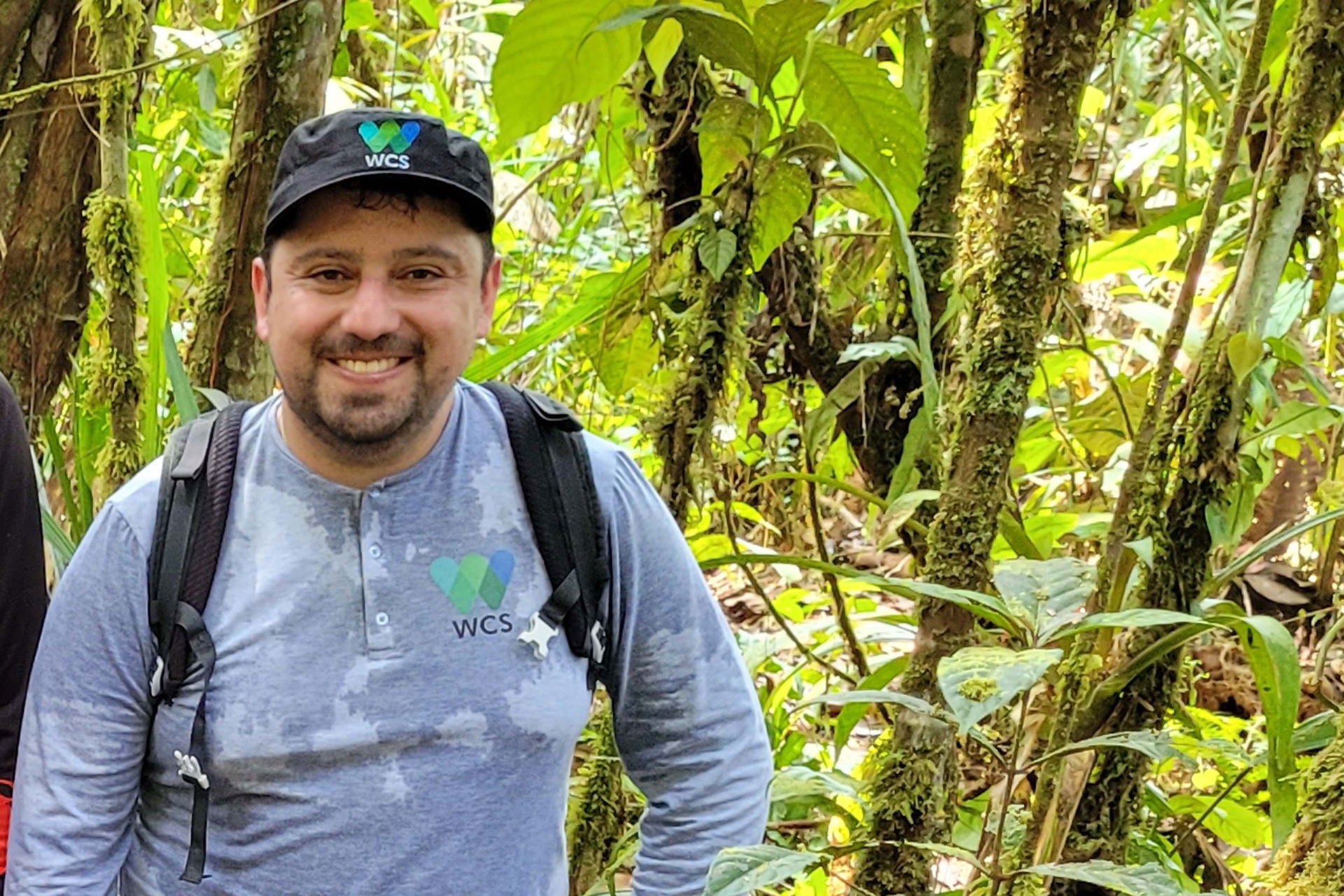
And then there's Gustavo González from the Conservation project Amphibian Survival in Colombia. Gustavo is an amphibian specialist. As such, he spends a lot of time in the rainforest. He documents biodiversity, coordinates the habitat conservation, leads awareness campaigns, and is actively involved in the reintroduction of critically endangered species such as Lehmann’s poison frog.

3 von 20

  • Gustavo, Programmleiter Amphibien bei der Wildlife Conservation Society WCS Colombia und Naturschutzbotschafter des Zoo Zürich.

    Gustavo Gonzalez Duran

    Amphibian Program Director for the Amphibian Survival Conservation Project

  • Citrakasasih «Citra», Leiterin der Division Ex-situ-Artenschutz beim Sumatran Orangutan Conservation Program SOCP und Naturschutzbotschafterin des Zoo Zürich.

    Citrakasih Nente

    Director at the Sumatra Conservation Project

  • Purity Kinoti, Leiterin Bildung im Lewa Wildlife Conservancy in Kenia.

    Purity Kinoti

    Head of Education at the Lewa Conservation Project

Nature Conservation in Practice

Gustavo, Citra, Purity — three people who give a face to our conservation projects. Something abstract suddenly becomes concrete and relatable. That is exactly what the program we launched three years ago is all about.

All of our conservation fellows regularly share stories with us about their day-to-day work in species conservation. These stories — both big and small — chronicle their experiences, challenges, and successes. We at the Zoo Zurich share these stories and bring nature and species conservation to life.

A Glimpse into the Daily Lives of Our Conservation Fellows

Show all
  • Sumatra-Orang-Utan (Pongo pygmaeus abeli) Wenda in Jantho, Naturschutzprojekt Paneco.
    Habitat protection
    20.09.2026

    The long road back

  • Nahaufnahme von Atelopus lozanoi. Foto: WCS Kolumbien, Gustavo González.
    Habitat protection
    27.10.2026

    A Successful Collaboration: Hope for a Missing Toad

In this way, we build a bridge from Zoo Zurich to our projects around the globe. After all, our four main missions — nature conservation, species conservation, research, and education — are not only carried out at the zoo; they are equally relevant in our projects. What we develop here at the zoo has an impact on our conservation projects. And what happens there has an impact on the zoo. The two go hand in hand.

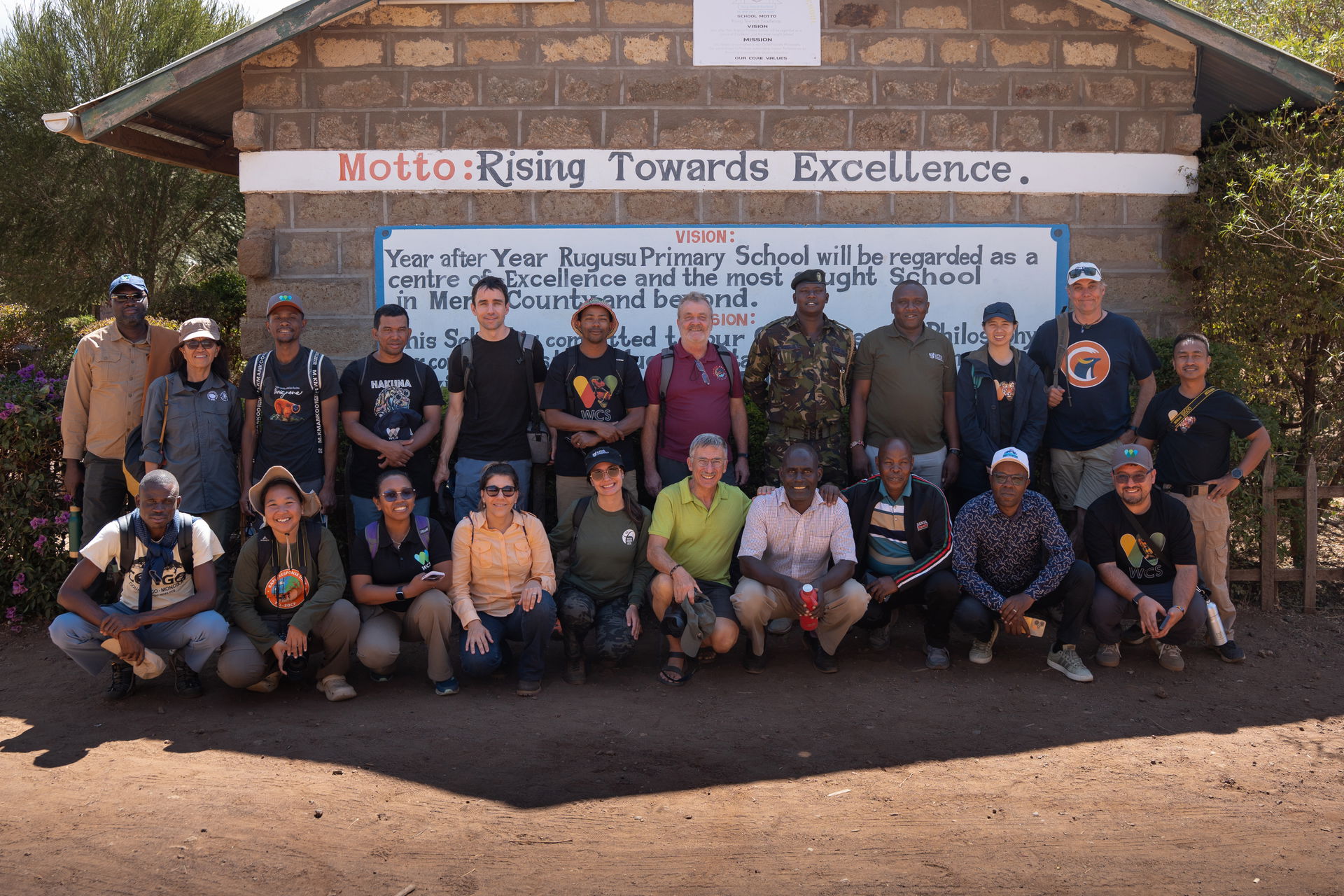
Naturschutzbotschafter*innen Zoo Zürich vor einer neu eröffneten Schule im Projekte Lewa.

Conservation fellows from the Zoo Zurich in front of a recently opened school as part of the Lewa nature conservation project in Kenya. Photo: Zurich Zoo, Tim Benz.

Knowledge Sharing

Our conservation fellows are our field staff. We fully fund their positions with our local nature conservation partners. But we also bring them together to facilitate exchange and knowledge transfer. After all, the challenges of species conservation are similar worldwide. The fight against poaching, for example, is an issue everywhere.

Every two years, we organize a gathering where all conservation fellows from one of the nine nature conservation projects come together. This year, the gathering took place at the Lewa project in Kenya.

The exchange with the rangers in Lewa is valuable for all conservation fellows. Photo: Zoo Zurich, Tim Benz.

All conservation fellwos face similar challenges in their projects. Photo: Zoo Zurich, Tim Benz.

During the week-long gathering, participants got a glimpse into all the projects. Photo: Zoo Zurich, Tim Benz.

There were various events centered around Lewa. Photo: Zoo Zurich, Tim Benz.

This included a visit to a school where conservation fellows Purity is active. Photo: Zoo Zurich, Tim Benz.

It was not only an eventful week, but above all an educational one, which showed everyone that we are not alone. Networking and building connections are essential. Only then can nature conservation truly be effective.

«We connect what belongs together. That's how we achieve the greatest possible impact for nature conservation and species protection.»
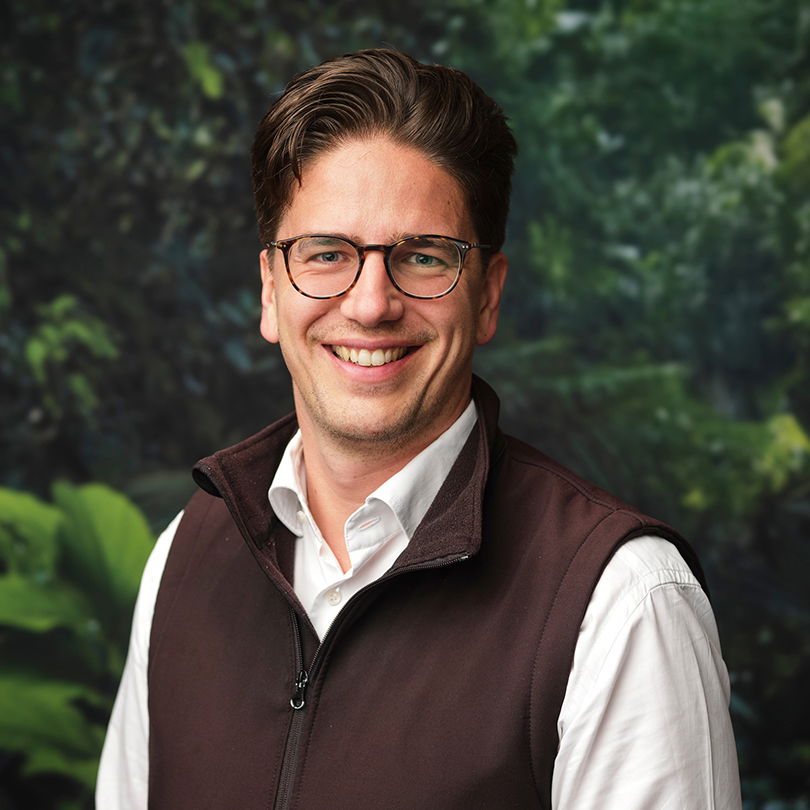
Severin Dressen, Director Zoo Zurich

As a global nature conservation organization, we also convey this vision to the outside world through our guiding principle: “We connect what belongs together.” The stories of our conservation fellows illustrate what this means. They connect people with people; Zurich with the protected areas; knowledge with action; and a passion for animals with concrete commitment to their protection.

  • Education
  • Research
  • Species Conservation
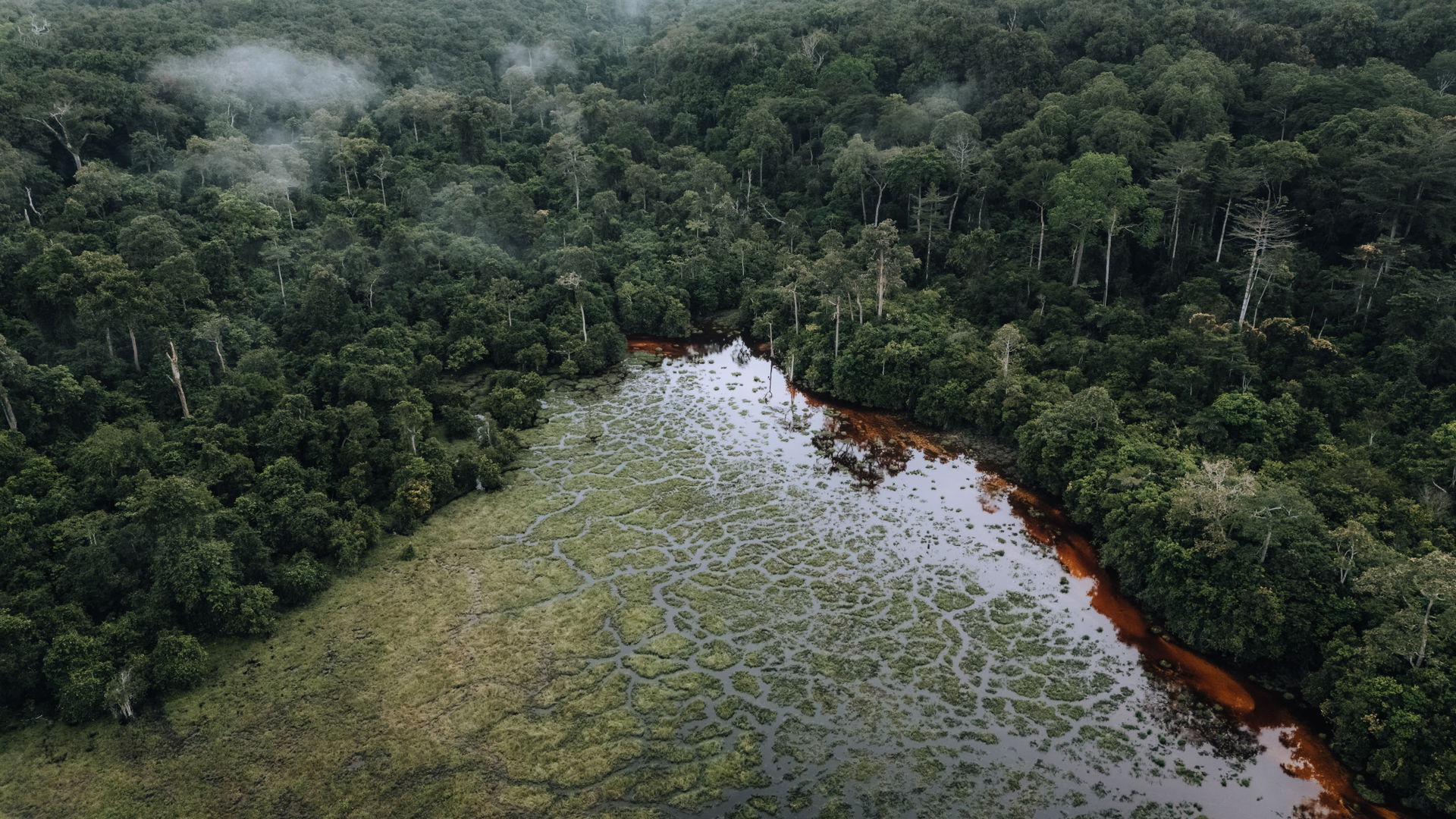
  • Blick aus der Luft auf einen Teil des Nouabalé-Ndoki-Nationalparks (NNNP) im Kongo.HabitatsWe protect nature – locally and globally
Back to overview